
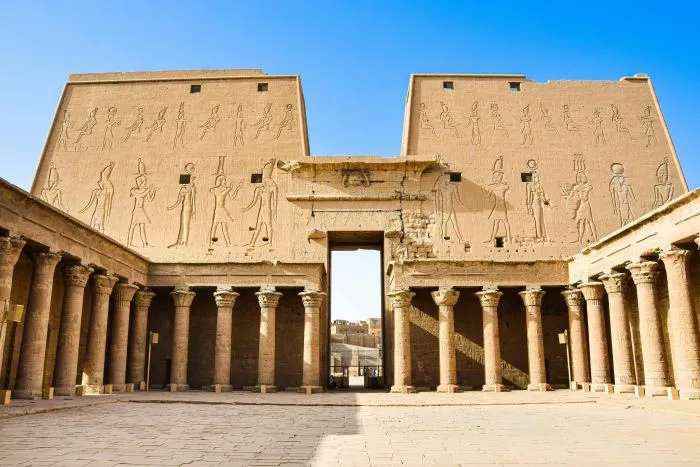
Ptolemaic Egypt captivates as a pivotal era where pharaonic grandeur fused with Hellenistic brilliance, sparking a cultural renaissance from 305 BCE to Cleopatra VII’s fall in 30 BCE Picture Nile farmlands powering vast wealth, Alexandria’s library with 700,000 scrolls shining as knowledge’s hub, and god-kings erecting temples whispering ancient myths.
This vibrant realm blended Egyptian rituals with Greek philosophy, as queens like Arsinoe II and Cleopatra ruled astutely amid advances in astronomy, medicine, and the Pharos Lighthouse wonder Far beyond politics, Ptolemaic Egypt was a dynamic crossroads of cultures and innovation that reshaped the Mediterranean Explore its essence and landmarks the Temple of Edfu, Kom Ombo Temple, Temple of Isis at Philae, and Serapeum of Alexandria revealing Greco-Egyptian genius.
What Do We Mean by Ptolemaic Egypt?
Ptolemaic Egypt began in 305 BCE when Ptolemy I Soter, a general of Alexander the Great, declared himself pharaoh following Alexander’s 332 BCE conquest of Egypt. The dynasty ruled until 30 BCE, when Cleopatra VII’s defeat marked Roman takeover, making Ptolemaic Egypt the richest Hellenistic kingdom through Nile agriculture, trade, and Alexandria’s famed library. This period blended Egyptian religion with Greek elements, fostering advancements in astronomy, medicine, and monumental building.
Religions in Ptolemaic Egypt
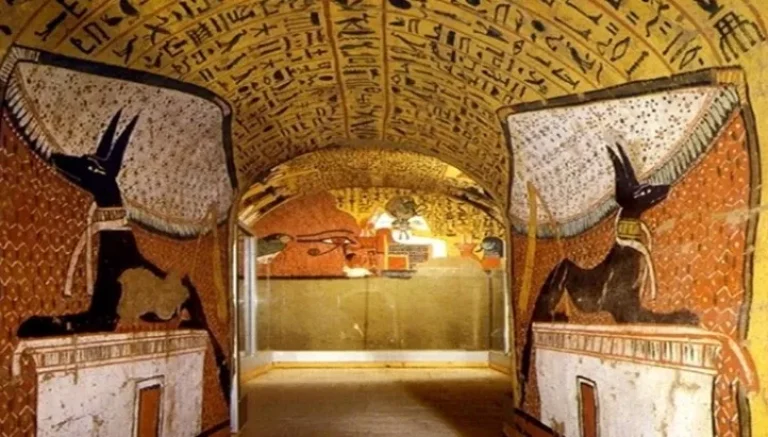
Ptolemaic Egypt showcased a remarkable religious syncretism, merging traditional Egyptian polytheism worshipping gods like Horus, Isis, Osiris, and Sobek with Greek Hellenistic deities such as Zeus, Apollo, and newly created figures like Serapis, a composite of Osiris-Apis and Hades-Zeus designed to bridge cultures. Temples like Edfu and Philae remained central to Egyptian rituals, while Alexandria hosted Greek sanctuaries, mystery cults offering healing and salvation, and thriving Jewish and early Christian communities, reflecting tolerant multiculturalism until Christianity’s rise suppressed paganism around 391 CE.
Kings and Greek Leaders in Ptolemaic Egypt
Ptolemy I Soter (r. 305–282 BCE), Alexander’s general, founded the dynasty and built Alexandria; Ptolemy II Philadelphus (285–246 BCE) expanded trade and Philae Temple; Ptolemy III Euergetes (246–222 BCE) erected Edfu and Serapeum. Ptolemy V Epiphanes (204–180 BCE) faced revolts; Cleopatra VII Philopator (51–30 BCE), the iconic last ruler, navigated Roman alliances with Julius Caesar and Mark Antony. Greek military elites and administrators dominated urban life, adopting pharaonic titles to legitimize rule.
Major Wars of the Ptolemaic Era
The dynasty endured six Syrian Wars (274–168 BCE) against Seleucid rivals over Palestine and Syria, with Ptolemy IV’s victory at Raphia (217 BCE) temporarily securing borders. Native Egyptian revolts, notably the Great Theban Revolt (206–186 BCE), challenged Greek dominance in Upper Egypt; the dynasty ended with the Final War of Actium (32–30 BCE), where Octavian crushed Antony and Cleopatra’s fleet, annexing Egypt as Rome’s breadbasket. These conflicts fueled massive temple building as propaganda.
Social Life and Rituals in Ptolemaic Egypt
Ptolemaic society stratified into privileged Greek citizens in cosmopolitan poleis like Alexandria featuring gymnasia, theaters, symposia, and scholarly pursuits and rural Egyptian peasants reliant on Nile farming under corvée labor. Rituals blended Egyptian temple festivals (e.g., Edfu’s sacred barque processions, Kom Ombo’s crocodile rites) with Greek Dionysian mysteries and royal cults deifying Ptolemies as sibling-god pairs. Bilingualism flourished, women enjoyed legal rights showcased by powerful queens, and daily life mixed marketplace bustle, mystery initiations at Serapeum, and vibrant festivals marking seasonal Nile floods.
"What are the most significant architectural landmarks of Ptolemaic Egypt?"
Temple of Edfu
The Temple of Edfu, dedicated to Horus, is Ptolemaic Egypt’s best-preserved temple, with construction starting on 23 August 237 BCE under Ptolemy III and completing around 57 BCE after 180 years. Its walls feature inscriptions detailing myths like Horus’s battle with Seth, offering key insights into late Egyptian religion and temple-building rituals. Located between Luxor and Aswan, it includes a mammisi (birth house) and exemplifies Ptolemaic Egypt’s reverence for pharaonic styles.
Kom Ombo Temple
Kom Ombo Temple in Ptolemaic Egypt uniquely honors dual deities Sobek the crocodile god and Horus the Elder built from 180–47 BCE atop New Kingdom ruins, with Roman additions. Its symmetrical “double temple” design features mirrored entrances, halls, and sanctuaries, with Ptolemy VI’s (180–145 BCE) earliest inscriptions and Ptolemy XII’s (80–51 BCE) final reliefs showing surgical tools. Over 300 mummified crocodiles nearby underscore Sobek’s cult, highlighting Ptolemaic Egypt’s medical and Nile-centric innovations.
Temple of Isis at Philae
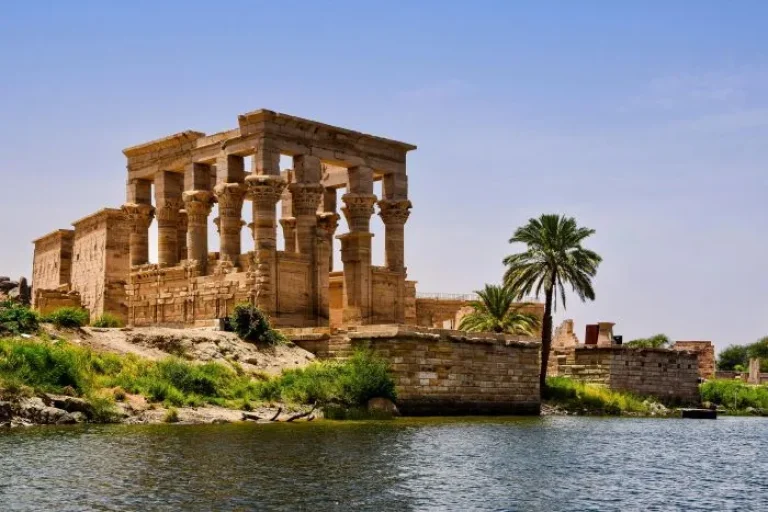
The Temple of Isis at Philae in Ptolemaic Egypt started around 280 BCE under Ptolemy II Philadelphus (285–246 BCE), expanding a Nectanebo I shrine (370 BCE) with Roman contributions up to Diocletian (284–305 CE). Walls depict Isis resurrecting Osiris and birthing Horus, with worship enduring past Theodosius I’s 391 CE pagan ban. Relocated from Lake Nasser during the Aswan Dam project, it stands as Ptolemaic Egypt’s southernmost sacred site.
Serapeum of Alexandria
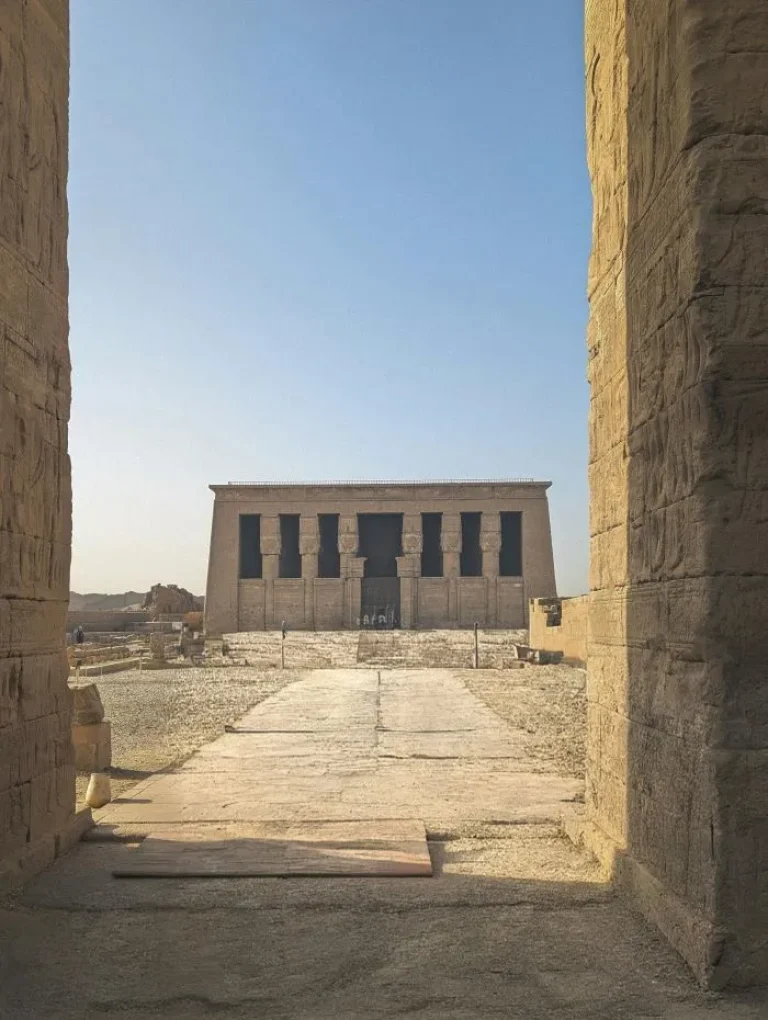
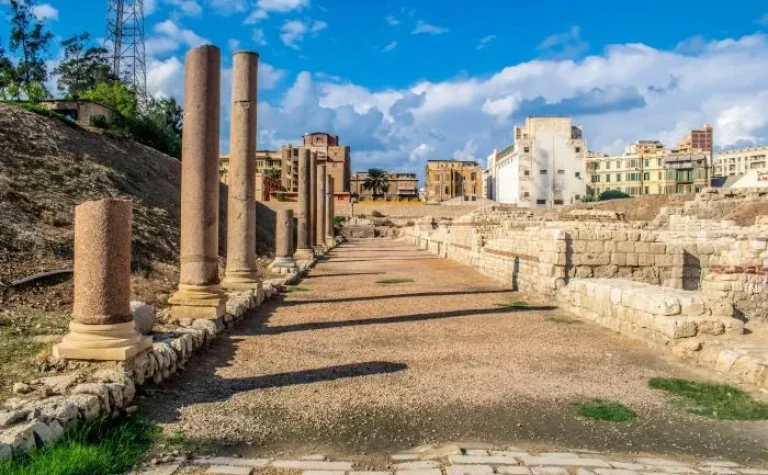
The Serapeum of Alexandria, built under Ptolemy III (246–222 BCE) in Ptolemaic Egypt, venerated Serapis a syncretic Osiris-Apis god as a healing center linked to the Great Library. Reconstructed by Hadrian after a Trajan-era fire, it was razed in 391 CE by Theodosius I’s anti-pagan edict, leaving Pompey’s Pillar amid ruins on a seaside hill. This complex symbolized Ptolemaic Egypt’s Greco-Egyptian cultural zenith.
Conclusion
Ptolemaic Egypt masterfully fused Greek innovation with Egyptian eternity, birthing architectural marvels like Edfu’s Horus temple, Kom Ombo’s dual shrines, Philae’s Isis sanctuary, and Alexandria’s Serapeum that still awe today. This era’s wealth, wisdom, and wonders from Alexandria’s library to Cleopatra’s cunning reshaped history, proving cultural synergy creates timeless legacies. Discover these sites yourself and feel the pulse of an empire that bridged worlds.