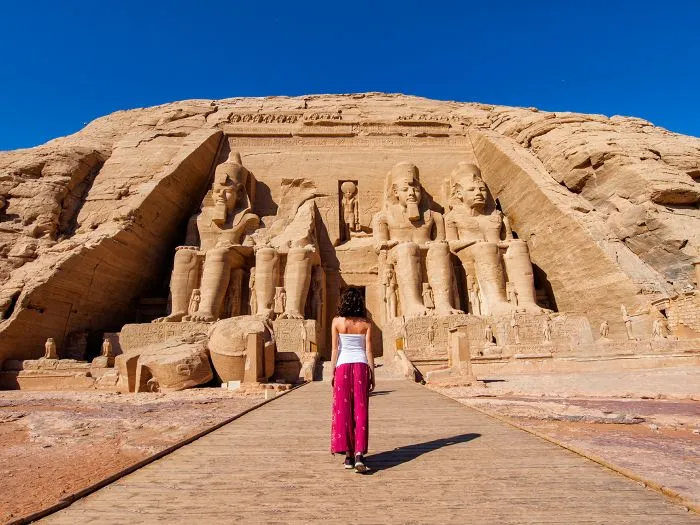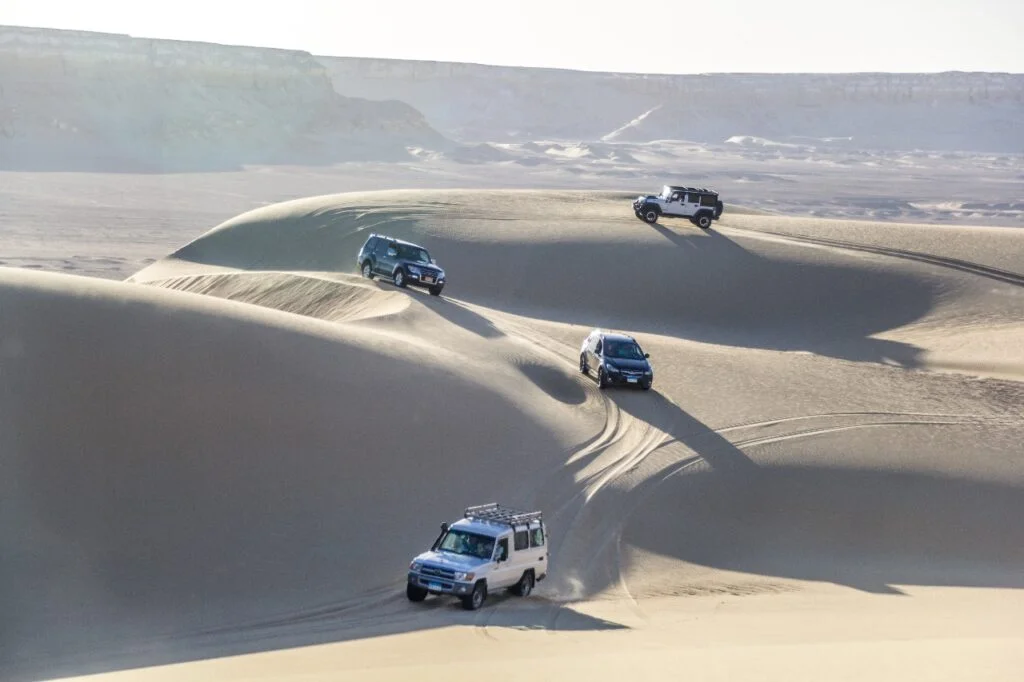
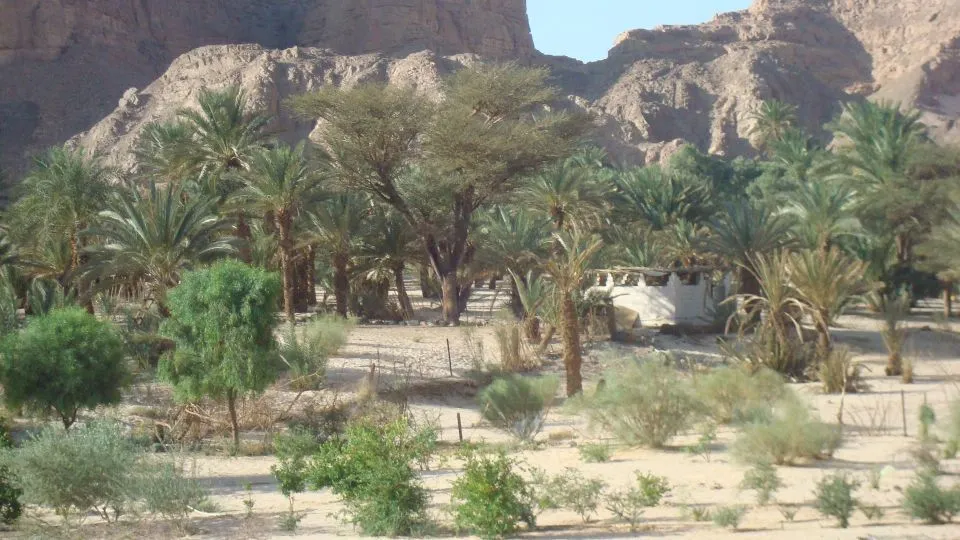
Tucked away in a deep sandstone basin, Ain Khudra Oasis is a breathtaking vision of life in the midst of the barren Sinai Peninsula. It is a place where gravity-fed springs emerge from the rock, nourishing ancient palm groves and providing a sanctuary that has welcomed travelers for thousands of years. From Roman pilgrims to modern-day adventurers on a Sinai desert experience, Ain Khudra remains the ultimate symbol of resilience and beauty in the Egyptian wilderness.
What is Ain Khudra Oasis and why is it a significant destination in the Sinai desert?
Ain Khudra Oasis is a lush, natural spring located in the South Sinai desert, approximately 70 kilometers from St. Catherine. Historically identified by many as the biblical site of “Hazeroth,” it has served as a vital water source for pilgrims and trade caravans since Roman times. Today, it is a significant cultural and ecological landmark, famous for its Bedouin hospitality, ancient inscriptions, and its role as the verdant gateway to the White Canyon..
Where is Ain Khudra Oasis located?
Ain Khudra Oasis is located in the eastern interior of the Sinai Peninsula, roughly midway between the coastal town of Dahab and the high mountains of St. Catherine. It sits at the bottom of a dramatic depression, surrounded by high sandstone plateaus and accessible only by 4×4 vehicles or on foot through the rugged wadis of the Western Desert Egypt.
The oasis is positioned near the main road connecting St. Catherine’s Monastery to Nuweiba, yet it remains hidden from view until you reach the very edge of the plateau overlooking the basin. This secluded location has preserved its tranquil atmosphere, making it a “hidden diamond” that requires a deliberate effort to reach, often as part of a Dahab desert safari.
Geographically, the oasis is the focal point of a network of canyons and valleys. Its location makes it the natural conclusion for hikers traversing the White Canyon, as the trail leads directly into the palm groves. For those on a larger Egypt desert safari, Ain Khudra serves as a critical resting point before venturing deeper into the sandstone wilderness.
Why is Ain Khudra Oasis famous?
Ain Khudra Oasis is famous for its “miraculous” fresh water springs and its possible biblical connection to the Israelite wanderings. It is globally recognized for the “Rock of Inscriptions” (Nawamis), where Nabatean, Greek, and Roman travelers left carvings centuries ago, marking the oasis as a crossroad of ancient civilizations in the Sahara Egypt.
The oasis’s fame also stems from its sheer aesthetic contrast. In a region dominated by jagged granite and golden sand, the sight of hundreds of date palms and guava trees clustered around a bubbling spring is a powerful image of life. It has become the quintessential “desert oasis” in the minds of international travelers, frequently featured in photography and travel documentaries about the Sinai mountain region.
Furthermore, it is famous for the authentic Bedouin hospitality offered by the local tribes. Unlike more commercialized sites, Ain Khudra provides a raw, unfiltered experience of desert life, where travelers can share tea and traditional meals in goat-hair tents, maintaining a cultural lineage that has existed for generations in the Western Desert Egypt.
How was the oasis and its water source formed?
The water source at Ain Khudra Oasis is an artesian spring, where groundwater trapped in the Nubian Sandstone Aquifer is forced to the surface through natural faults in the Earth’s crust. This “fossil water,” which accumulated thousands of years ago during a wetter climatic period, emerges at a constant temperature, feeding the lush vegetation that defines the oasis.
Geologically, the basin was formed through millions of years of water and wind erosion. The soft sandstone of the surrounding cliffs was carved out by ancient flash floods, creating the depression where the water table now intersects with the surface. This geological “trap” allows the water to collect and sustain a complex ecosystem that would otherwise be impossible in the Sahara Egypt.
The Bedouin have enhanced this natural process by creating “Manawar” (traditional irrigation channels). These hand-dug trenches and small reservoirs guide the water from the spring’s eye to the individual gardens and palm groves, ensuring that every drop of this precious resource is utilized. This synergy between natural geology and human ingenuity is what keeps the Ain Khudra Oasis thriving.
What is the best time to visit Ain Khudra Oasis?
The best time to visit Ain Khudra Oasis is during the winter and early spring, from October to April. During this period, the Sinai desert experiences mild daytime temperatures, making the hike through the White Canyon and the subsequent stay in the oasis pleasant and safe for travelers of all ages.
Winter is particularly special because the oasis is at its “greenest” after any sporadic rainfall. The air is crisp and clear, providing the best visibility for viewing the ancient inscriptions and the surrounding Sinai mountain peaks. However, be prepared for very cold nights in the desert, as temperatures can drop toward freezing once the sun sets.
The summer months (June to August) are significantly less popular due to the extreme heat in the sandstone basins, which can act like an oven, trapping the sun’s rays. While the shade of the palm trees offers some relief, the trek to reach the oasis can be dangerous during the peak of summer. For the most comfortable Sinai desert experience, sticking to the cooler months is highly recommended.
What activities can travelers experience at Ain Khudra?
Visitors to Ain Khudra Oasis can engage in a variety of activities including trekking through the White Canyon, exploring the ancient Rock of Inscriptions, and enjoying overnight desert camping Egypt. The oasis is also a premier location for meditation, birdwatching, and learning traditional Bedouin cooking and crafts.
One of the most popular activities is the “Canyon to Oasis” trek. Travelers enter the narrow, blindingly white walls of the White Canyon and navigate the sandstone curves before emerging into the green expanse of the oasis. It is a transition that many describe as one of the most beautiful hiking experiences in the Sinai Peninsula.
Overnight stays are another highlight. Sleeping in a Bedouin tent or directly under the stars, travelers can experience the “million-star hotel” effect. With zero light pollution, the Milky Way is vividly visible. During the day, visiting the nearby Nawamis (prehistoric stone tombs) or the “Closed Canyon” provides a deeper look into the archaeological and geological history of the Western Desert Egypt.
How long should visitors stay at Ain Khudra?
For the best experience, a stay of 2 days and 1 night is recommended. This allows enough time to complete the hike through the White Canyon, explore the oasis at a relaxed pace, and experience the transformative atmosphere of a desert night and sunrise, which are essential parts of any Sinai sunrise hike itinerary.
Many travelers visit as part of a 1-day Bahariya Oasis tours-style jeep excursion from Dahab. While this provides a great overview, it can feel rushed, as much of the time is spent traveling. A 2-day trip allows for deeper connection—sharing multiple rounds of tea with the Bedouin, exploring the higher ridges for panoramic views, and truly soaking in the silence.
For serious hikers and photographers, a 3-day itinerary can be arranged. This often involves trekking from the Blue Hole or Wadi Ghazala into Ain Khudra, using the oasis as a central hub before heading toward St. Catherine or the “Double Canyon.” This pace aligns perfectly with the slow, meditative rhythm of life in the Sahara Egypt.
What should travelers pack for a trip to the oasis?
When packing for Ain Khudra Oasis, the most important items are sturdy, broken-in hiking shoes and sun protection. The sandstone in the canyons can be slippery and abrasive, while the reflection from the white rocks intensifies the sun’s rays. Pack high-SPF sunscreen, polarized sunglasses, and a wide-brimmed hat to protect yourself during the trek.
Because the temperature drops significantly at night, packing “layers” is vital. Bring a lightweight thermal base, a warm fleece, and a windproof jacket. If you are planning on desert camping Egypt, your tour operator will usually provide blankets, but bringing your own sleeping bag liner can add an extra layer of comfort.
Don’t forget a reusable water bottle and a power bank, as there is no electricity in the oasis. A headlamp is also much more practical than a handheld flashlight for navigating the camp at night. Finally, bring a camera with extra batteries—the contrast between the white sand, green palms, and blue sky at Ain Khudra Oasis is a photographer’s dream.
Can Ain Khudra be combined with St. Catherine’s Monastery?
Yes, combining Ain Khudra Oasis with a visit to St. Catherine’s Monastery is one of the most popular “Heritage & Nature” circuits in Egypt. Most tours start with the sunrise at Mount Sinai, followed by a visit to the monastery, and then a 4×4 drive into the desert to reach the oasis for lunch and relaxation.
This combination offers a complete narrative of the Sinai’s history. You begin with the spiritual and religious heights of the mountain and conclude with the earthly, life-sustaining beauty of the oasis. The drive between the two sites takes approximately 1.5 hours, making it a very feasible addition to any Sinai desert experience.
Many travelers also choose to use the oasis as a “cool down” spot after the strenuous climb of Mount Sinai. The natural springs and the shade of the palm groves provide the perfect environment to recover while still being immersed in the spectacular scenery of the Sinai Peninsula.
How can Desert Cruise Travel help plan a seamless Ain Khudra Oasis adventure?
Desert Cruise Travel provides premium, all-inclusive expeditions to Ain Khudra Oasis, managing all the logistical challenges of desert travel so you can focus on the experience. We specialize in private 4×4 transfers from Dahab or Cairo, ensuring you have the best vehicles and most experienced Bedouin drivers for the rugged terrain of the Western Desert Egypt.
Our services go beyond simple transport; we curate the entire journey:
Private Guided Treks: Our guides lead you safely through the White Canyon and explain the history of the ancient inscriptions.
Authentic Camping: We arrange overnight stays in the best locations within the oasis, providing high-quality equipment and traditional meals.
Custom Itineraries: We can blend your visit with a Sinai sunrise hike at Mount Sinai or a visit to the Black Desert Egypt.
Safety & Permits: We handle all necessary security clearances and permits required for desert travel in the Sahara Egypt.
By choosing Desert Cruise Travel, you are ensuring a journey that is safe, respectful of local Bedouin traditions, and environmentally conscious. We pride ourselves on creating “slow travel” experiences that allow you to truly connect with the soul of the Ain Khudra Oasis.
Conclusion
Ain Khudra Oasis is more than just a destination; it is a reminder of the fundamental relationship between water, land, and the human spirit. In the silence of its palm groves, the rush of modern life fades away, replaced by the ancient rhythm of the desert. Whether you are tracing the carvings of a Roman soldier or sharing a simple meal with a Bedouin family, the oasis offers a profound sense of continuity and peace.
For those who seek the true heart of the Sinai Peninsula, Ain Khudra is the ultimate reward. It is a place that requires a journey, but gives back a thousandfold in beauty and serenity. It remains a timeless emerald in a sea of gold, waiting to be discovered by those who value the road less traveled.
Plan your escape to this hidden paradise today. With the right preparation and a spirit of adventure, Ain Khudra Oasis will not just be a stop on your itinerary—it will be a memory that stays with you for a lifetime.