
Travel Guide
The Colored Canyon: A Journey Through Sinai’s Geological Masterpiece
6 min read
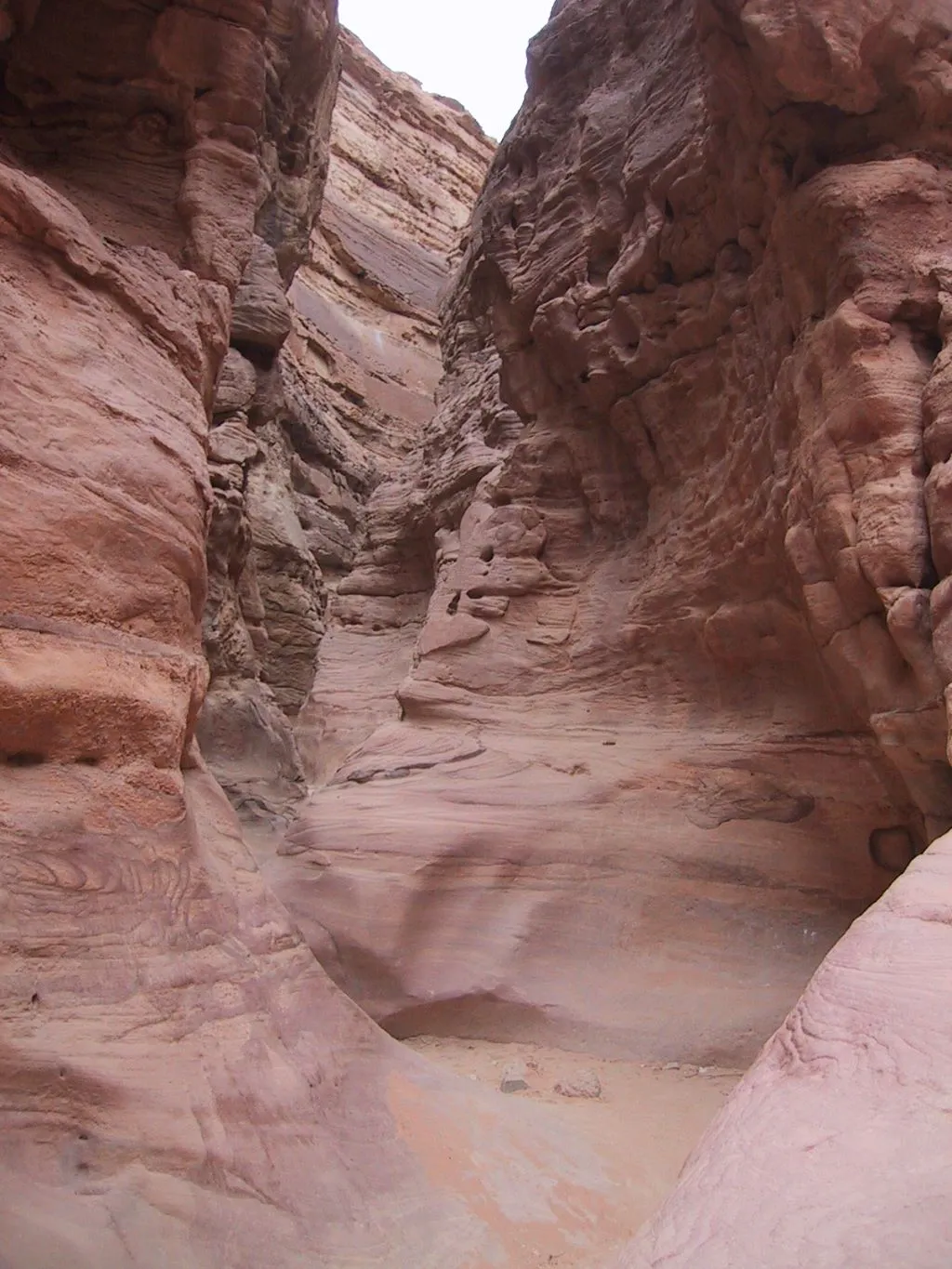
The Sinai Peninsula is a land defined by its extremes—where the rugged, arid mountains meet the serene, turquoise depths of the Red Sea. Among its many natural wonders, few are as captivating, visually surreal, and geologically significant as the Colored Canyon. Located in the heart of the South Sinai desert, this winding gorge is an outdoor cathedral of sandstone, painted by nature with vibrant hues that defy belief. For adventurers, geologists, and those seeking the raw beauty of the Egyptian wilderness, the Colored Canyon stands as a bucket-list destination that offers an immersive lesson in the Earth’s ancient history.
The Geological Genesis of the Colored Canyon
To understand the Colored Canyon, one must travel back millions of years. This breathtaking formation was once part of a shallow sea that covered the region during the Cretaceous period. Over vast geological timescales, intense tectonic movements lifted the Sinai Peninsula, causing the earth's crust to fracture.
Water and wind then took over as the primary architects. As rainfall drained from the surrounding plateaus, it carved deep, narrow paths through the sandstone layers. This process of hydraulic erosion exposed the sedimentary rock’s internal strata, which are rich in minerals like manganese, iron oxide, and cobalt. These minerals are the source of the canyon’s "color"—vibrant veins of deep red, brilliant orange, sun-kissed yellow, and ethereal purple that swirl along the smooth, polished walls.
Architectural Marvel: The "Gap" in Desert Interpretation
There is a common gap in how the Colored Canyon is presented to travelers. Most see it only as a scenic hiking trail. However, the true significance lies in its stratigraphic purity. Unlike many other canyons where walls are covered in debris, the Colored Canyon offers clean, vertical cross-sections of geological history.
The Hidden Hydrology: Many visitors fail to realize that the canyon is a living system. It functions as a drainage conduit for the plateau above. During rare flash floods, the canyon floor is scrubbed clean, and new layers of sediment are deposited, making the Colored Canyon a dynamic environment that literally changes its shape and appearance every few years. Recognizing this fluidity allows visitors to see the site not as a static statue, but as a masterpiece currently in the making.
Why the Colored Canyon is Sinai’s Most Unique Attraction
The Colored Canyon is not just a gorge; it is an sensory experience.
The Narrow Passage: In several sections, the canyon walls close in so tightly that you can touch both sides simultaneously, creating an intimate connection with the rock face.
A Natural Gallery: The sheer variety of patterns—swirls, waves, and geometric layers—rivals the work of modern abstract painters.
Natural Acoustics: The geometry of the walls produces a unique soundscape where the slightest whisper carries, amplifying the profound silence of the desert.
What Hidden Gems Lie Near the Colored Canyon?
When you plan your trip to the Colored Canyon, you are in a prime position to explore other Sinai wonders. Here are the must-visit locations nearby:
1. The White Canyon
As the name implies, this gorge features brilliant, white limestone walls that offer a dramatic contrast to the multi-colored sandstone of its neighbor. It is the perfect "before-or-after" destination for a complete geological study.
2. Ain Hudra Oasis
Located just a short journey from the canyon trails, this palm-fringed oasis is a sanctuary of life in the desert. It serves as an excellent spot for a picnic lunch under the shade of ancient date palms, allowing you to reflect on your trek in a tranquil setting.
3. The Nawamis
These 5,000-year-old circular stone tombs are some of the oldest structures in the Sinai. Scattered along the routes near the canyons, they offer a somber, prehistoric connection to the ancient nomadic tribes who once traversed these same wadis.
4. Mushroom Rock
A natural sculptural wonder located in the vicinity. This geological formation features a large boulder balanced delicately on a thin base, created entirely by wind-blown sand erosion. It is a quintessential photo opportunity that highlights the sheer power of the Sinai wind.
Best Time to Visit and Seasonal Logistics
Planning your expedition to the Colored Canyon requires careful timing.
The Optimal Season (October to April): During these months, the desert climate is moderate. Daytime temperatures remain comfortable for the physical exertion of climbing and navigating the canyon floor.
The Summer Challenge: We strongly advise against visiting during the peak summer months (July–August). The sandstone acts as a heat sink, and the lack of airflow in the narrow corridors can lead to extreme heat conditions.
Time of Day: Arriving early in the morning allows you to witness the "golden hour" effect, where the light hits the canyon walls, intensifying the mineral colors to their most vibrant state.
How Desert Cruise Travel Enhances Your Experience
The Sinai desert is a vast and unforgiving environment. Exploring the Colored Canyon on your own can be complex due to navigation challenges, limited cell service, and the need for specialized 4x4 transport.
Desert Cruise Travel provides the structure needed to turn a stressful trek into a seamless adventure.
Expert Navigation: Our guides are deeply familiar with the terrain and know the exact paths that bypass the most difficult scrambles, ensuring safety for hikers of all skill levels.
Contextual Storytelling: We don’t just walk the canyon; we explain the minerals, the history of the nomadic tribes, and the geological forces at work.
Seamless Logistics: We handle everything—from round-trip transportation from Dahab to providing locally sourced, traditional meals that make your desert journey authentic and comfortable.
Frequently Asked Questions
Is prior hiking experience necessary for the Colored Canyon?
It requires moderate fitness. You will encounter stretches that require scrambling, climbing over boulders, and navigating narrow, uneven paths.
What should I pack for the trip?
Sturdy, high-grip hiking shoes are mandatory. Bring a minimum of 2 liters of water, sunscreen, and a lightweight long-sleeved shirt to protect against the sun.
Can I combine the Colored Canyon with other trips?
Yes! Most visitors combine this with a visit to the White Canyon, Saint Catherine, or a snorkeling excursion in Dahab for a full multi-day desert-and-sea experience.
Conclusion
The Colored Canyon is a testament to the enduring, creative power of nature. It is a place where the earth speaks in colors and where every step through the narrow passages is a journey through deep time. Whether you are an amateur photographer looking for the perfect light, a geologist fascinated by sedimentary structures, or an adventurer seeking the solitude of the desert, this gorge will leave an indelible mark on your memory. With Desert Cruise Travel, you aren't just seeing the sights; you are uncovering the heart of Sinai.