
Travel Guide
Dakhla Oasis History
10 min read
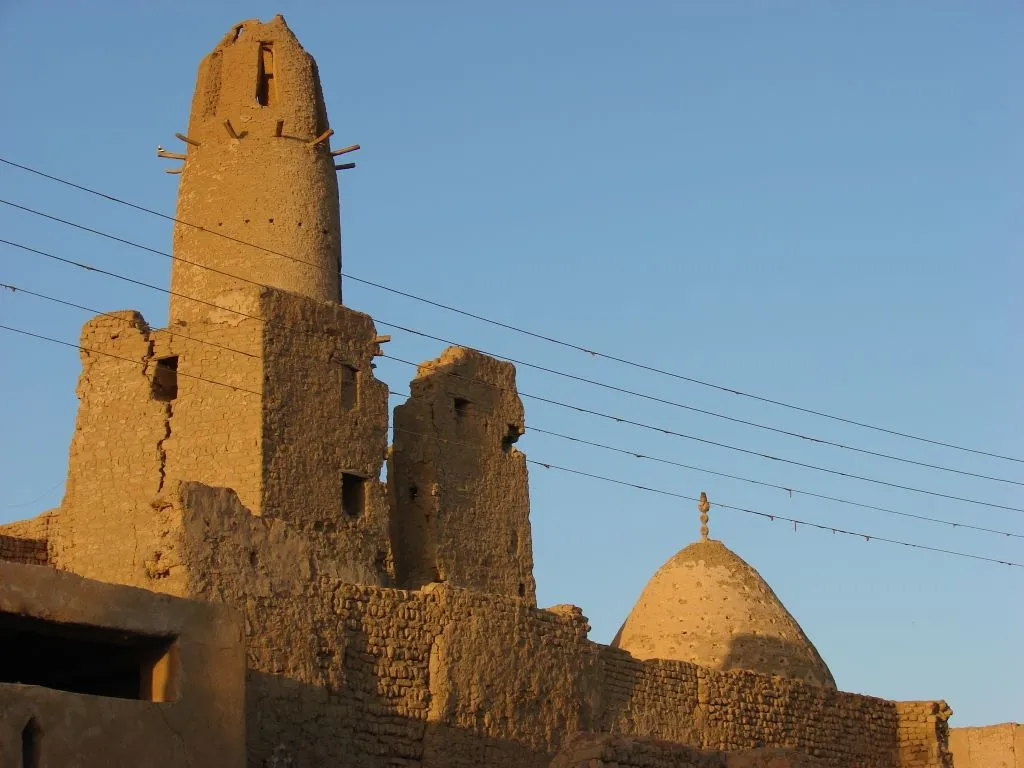
Far away from the bustling cities of Egypt lies a serene paradise untouched by modern chaos – Dakhla Oasis. Nestled deep in the Western Desert, this hidden gem combines breathtaking landscapes, ancient history, and authentic cultural experiences. For travelers seeking tranquility, adventure, and an off-the-beaten-path journey, Dakhla Oasis is a destination like no other. From ancient temples to lush palm groves, every corner of this oasis whispers tales of civilizations that thrived in the middle of the desert.
Whether you’re a history enthusiast, a nature lover, or simply craving a peaceful retreat, Dakhla Oasis offers a rare chance to reconnect with nature and heritage. Let’s explore everything you need to know before planning your trip.
Location & How to Get to Dakhla Oasis
Dakhla Oasis is located in Egypt’s New Valley Governorate, about 750 kilometers southwest of Cairo. Surrounded by dramatic cliffs and golden dunes, it is one of the most captivating oases in the Western Desert. The nearest major city is El-Kharga, but the journey itself is part of the adventure.
Travelers can reach Dakhla Oasis by car, bus, or private tour. Desert Cruise Travel offers tailored transportation, ensuring a comfortable ride through the scenic desert landscapes. Although the journey may take several hours, the reward is an untouched oasis where time seems to stand still.
The Rich History of Dakhla Oasis
Dakhla Oasis has been inhabited for thousands of years, with roots tracing back to the Pharaonic era. Archaeological discoveries reveal that it was once a thriving agricultural and trading hub due to its fertile soil and strategic location.
The oasis played a vital role during the Pharaonic, Roman, and Islamic periods. Ancient temples, necropolises, and ruins stand as a testament to its historical significance. Among the most notable sites are the remains of Roman forts and the Temple of Deir el-Hagar, which showcase exquisite carvings and inscriptions.
Dakhla Oasis is not only a destination for relaxation but also a living museum where travelers can walk in the footsteps of ancient civilizations.
Top Attractions in Dakhla Oasis
There are countless wonders waiting to be discovered in Dakhla Oasis. Some of the top attractions include:
Deir el-Hagar Temple – A beautifully preserved Roman temple dedicated to the Theban triad of Amun, Mut, and Khonsu.
Mut Village – The capital of the oasis, home to traditional mud-brick houses and vibrant markets.
Balat Village – Famous for its ancient Islamic architecture and charming narrow streets.
Hot Springs – Natural springs scattered across the oasis provide relaxation and healing experiences.
The Old Islamic Town of Qasr Dakhla – A maze of old alleys, mosques, and mud-brick houses that transport visitors back in time.
Lush Palm Groves and Farmlands – Offering serene walks through greenery, contrasting with the surrounding desert.
These attractions make Dakhla Oasis a place where history, culture, and nature blend seamlessly.
Where to Stay in Dakhla Oasis?
Accommodation in Dakhla Oasis ranges from eco-lodges to traditional guesthouses. Options include:
Eco-Friendly Lodges: Perfect for those who want to stay close to nature while minimizing their environmental footprint.
Traditional Mud-Brick Houses: Offering authentic cultural immersion and local hospitality.
Modern Guesthouses: Providing comfort, Wi-Fi, and modern amenities for travelers who prefer convenience.
Desert Cruise Travel assists in booking accommodations that best suit your preferences and budget, ensuring a memorable stay.
Facts About Dakhla Oasis
- Here are some fascinating facts about Dakhla Oasis:
- Home to Over 500 Springs – The oasis is fed by natural springs, making it one of the most fertile in the Western Desert.
- Nicknamed “The Inner Oasis” – Due to its central position among the five main oases of Egypt’s Western Desert.
- Rich Archaeological Sites – Excavations have revealed mummies, tombs, and temples that date back thousands of years.
- Unique Climate – With warm winters and hot summers, it is ideal for visiting in cooler months like October through March.
- Blend of Cultures – The oasis showcases influences from Pharaonic, Roman, Coptic, and Islamic eras.
Best Time to Visit Dakhla Oasis
The climate in Dakhla is extreme, characterized by a true desert environment with sweltering summers and mild winters.
Optimal Season: The best time to visit is from October through March (and into early May).
During these months, daytime temperatures are comfortable, making it perfect for hiking through historic villages and exploring archaeological sites without the intensity of the summer sun. Peak Months: December through February offer the most pleasant weather, with moderate daytime temperatures (20–25°C / 68–77°F).
Avoid: Try to avoid the peak summer months (June through August), when temperatures can soar above 40–50°C (104–122°F), making outdoor exploration physically taxing and potentially dangerous.
Top Activities in Dakhla Oasis
1. Step Back in Time at Ancient Villages
Al-Qasr: Wander the narrow, labyrinthine streets of this medieval Islamic village.
Look for the intricately carved acacia-wood lintels above doors, which often bear the names of the original 10th-century homeowners. Balat: Visit this ancient village to see traditional mud-brick architecture and explore the nearby Ain Asil site, which served as the oasis capital during the Old Kingdom.
2. Discover Archaeological Treasures
Deir El-Hagar Temple: A stunning, well-preserved Roman-era sandstone temple dedicated to the Theban Triad.
It is arguably one of the most picturesque sites in the desert, especially during the soft light of sunrise or sunset. Al-Muzawwaqa Necropolis: Known as the "Decorated Hill," this site features ancient rock-hewn tombs from the Roman period, famed for their vibrant, well-preserved funerary paintings.
3. Relax in Natural Hot Springs
Dakhla is famous for its geothermal activity, with over 500 springs scattered throughout the region.
Mut Talata: Located near the town of Mut, these sulfur-rich, mineral-filled pools are renowned for their therapeutic properties—the perfect way to soothe tired muscles after a desert safari.
Magic Spring: A more secluded, rock-lined pool hidden among palm groves, offering a quiet and refreshing escape from the desert heat.
Bir Al-Gebel: A beautiful spot for those who enjoy the serenity of the dunes, often used for quiet reflection or stargazing as the sun goes down.
4. Adventure & Outdoor Exploration
4x4 Desert Safaris: Traverse the shifting dunes and rocky plateaus surrounding the oasis.
Local guides can take you deep into the heart of the Western Desert to see unique geological formations and prehistoric petroglyphs. Cultural Immersion: Engage with the local Bedouin community to experience authentic desert hospitality.
Don't miss out on trying regional specialties like molokhia and fatta, or shopping for handmade local crafts and textiles. Stargazing: Due to the extreme isolation and lack of light pollution, the night sky over Dakhla is among the clearest in the world.
It is an ideal location for night-time photography and stargazing.
How Desert Cruise Travel Enriches Your Visit to Dakhla Oasis
Visiting Dakhla Oasis with Desert Cruise Travel means more than just sightseeing. You’ll gain deeper insights and experiences, including:
Guided tours that reveal hidden archaeological treasures.
Authentic cultural encounters with local communities.
Opportunities to enjoy desert safaris, camel rides, and stargazing adventures.
Stress-free planning with professional support from start to finish.
By traveling with experts, you maximize your time and enjoy a richer, more authentic journey.
What is the best way to travel to Dakhla Oasis from Cairo?
1. Private Car or Organized Tour (Most Recommended)
For most international travelers, booking a private vehicle or joining an organized desert safari is the most recommended option.
Why: It offers maximum flexibility, allowing you to make stops at scenic desert viewpoints or other oases (like Farafra or Bahariya) along the way.
Duration: Approximately 8–10 hours of driving.
Benefit: You avoid the complexity of public transport schedules and the long, non-stop nature of the buses.
2. Public Bus (Budget Option)
If you are on a budget, long-distance buses are available.
The Experience: Buses typically depart from the El Torgoman Bus Station in Cairo.
The journey is long (often 10–12 hours) and involves several stops. Tip: Be prepared for a grueling trip. Carry plenty of water, snacks, and a portable power bank, as onboard amenities can be basic.
Companies: Services are often operated by the West Delta Bus Company or Upper Egypt Bus services.
It is highly advisable to check the most current schedules at the station a day or two in advance.
3. Taxi / Private Transfer
You can hire a private taxi or a professional transfer service from Cairo directly to the oasis.
Convenience: This is a door-to-door service, providing more comfort than a public bus without the rigid itinerary of an organized tour group.
Cost: While more expensive than a bus, it is a practical choice for small groups who can split the fare. Always negotiate and confirm the price before departure.
Important Travel Tips for the Journey
The Desert Circuit: Most travelers don't just visit Dakhla in isolation.
Checkpoints: Because you are traveling through the Western Desert, you may encounter security checkpoints. Always keep your passport and a few photocopies of your visa/entry stamp handy.
Flights: While there is an airport in the New Valley (El Wadi Al-Gadid Airport), commercial flights are highly irregular and often unavailable.
Frequently Asked Questions
1. Where exactly is Dakhla Oasis and how do I get there?
Dakhla Oasis is located in Egypt’s Western Desert, within the New Valley Governorate. It lies approximately 350 km west of the Nile and about 120 km west of the Kharga Oasis. Because it is remote, there is no reliable commercial air service. The most common way to reach it is by private 4x4 vehicle or organized desert tour from Cairo, which allows for a scenic multi-day "Oases Circuit" (connecting Bahariya, Farafra, and Dakhla). Public buses also run from Cairo or Kharga, but these are long, multi-stop journeys.
2. What are the must-visit historical and cultural sites?
Dakhla is celebrated for its well-preserved heritage and architecture:
Al-Qasr: A stunning medieval Islamic village with narrow, labyrinthine streets and houses featuring intricately carved acacia-wood lintels.
Deir El-Hagar: A beautiful Roman-era sandstone temple dedicated to the Theban Triad (Amun-Re, Mut, and Khonsu), best visited at sunrise or sunset.
Al-Muzawwaqa Necropolis: Known as the "Decorated Hill," this site contains hundreds of rock-hewn tombs from the Roman period, famous for their vibrant funerary paintings.
Balat & Ain Asil: Villages that offer a glimpse into ancient history, with sites dating back to the Old Kingdom (6th Dynasty).
3. What makes Dakhla Oasis a unique travel destination?
Unlike Egypt’s crowded Nile Valley sites, Dakhla offers an authentic, serene experience. It is famous for its therapeutic thermal springs (like Bir Talata and Bir Al-Gebel) that stay warm year-round, making them perfect for relaxing after a desert expedition. The region also boasts a unique mix of Pharaonic, Roman, and Islamic history set against a dramatic backdrop of lush palm groves, golden sand dunes, and stark desert plateaus. Its relative isolation has helped preserve its traditional Bedouin culture and quiet, "off-the-beaten-path" atmosphere.
Conclusion
Dakhla Oasis is far more than just a remote desert stop; it is a profound journey into the layers of Egypt’s soul. By combining the medieval charm of the mud-brick village of Al-Qasr with the stoic, ancient beauty of the Roman-era Deir El-Hagar temple, Dakhla offers an experience that is both intellectually stimulating and deeply relaxing.
Whether you are soaking in the therapeutic, mineral-rich heat of the desert springs, exploring the vibrant funerary paintings of the Muzawwaqa Necropolis, or simply taking in the silence of the shifting dunes under a canopy of stars, this oasis rewards the adventurous traveler with an authenticity that is increasingly hard to find.