
Travel Guide
The Nawamis Sinai: Uncovering the Prehistoric Wonders of the Desert
5 min read
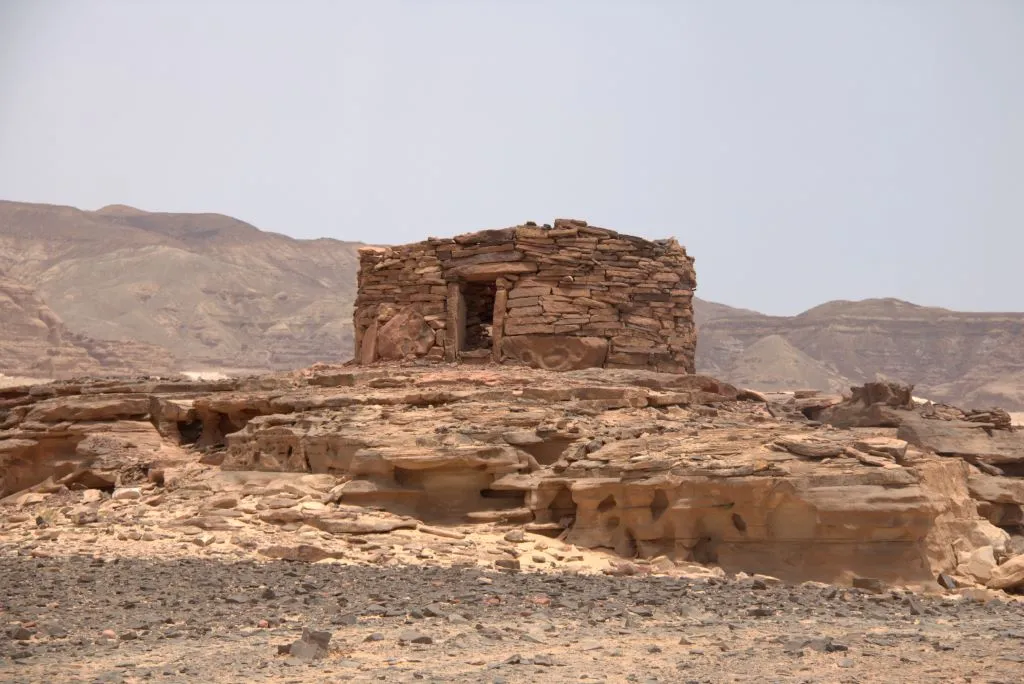
In the vast, sun-drenched expanses of the Sinai Peninsula, where the landscape is sculpted by millennia of wind and ancient history, lie the nawamis sinai. These enigmatic, circular stone structures are more than just archaeological sites; they are profound testaments to human ingenuity in the Chalcolithic era. Scattered like silent sentinels across the remote desert hills between Dahab and Saint Catherine, the Nawamis remain one of the most compelling prehistoric mysteries in the Middle East.
History and Geographical Context
The nawamis sinai structures date back to a remarkable period between 4000 and 3150 BCE. Their placement was not accidental; they are strategically located along ancient nomadic migratory routes that have been traversed by humans for thousands of years.
The structures are characterized by their "bee-hive" architecture—dry-stone circular walls topped with corbelled domes. Standing between 2 to 2.5 meters in height, each tomb is a masterpiece of prehistoric stability. Archaeological surveys have revealed that while the primary purpose was burial, the sites were far more complex than simple graves. They served as communal hubs, burial grounds, and potentially territorial markers for nomadic groups navigating the harsh Sinai terrain. The west-facing entrances are a point of intense study; many researchers believe this alignment was a deliberate attempt to orient the deceased toward the setting sun, a universal symbol of the journey into the afterlife.
Architectural Brilliance: The Engineering of the Nawamis Sinai
What makes the nawamis sinai truly unique in the history of architecture is the use of sandstone without the need for mortar. The builders utilized the natural properties of the desert sandstone, carefully selecting and stacking blocks to distribute weight evenly. The corbelling technique—where each successive layer of stone projects slightly inward—allows for a self-supporting dome that has survived seismic shifts and extreme desert weathering for over 5,000 years.
The "Gap" Analysis: Why Were They Built This Way?
A common gap in literature regarding the Nawamis is the environmental adaptability of their construction. Often, observers focus on the "burial" aspect and ignore the micro-climate engineering. Recent analyses suggest that the dome shape and the thickness of the stone walls were designed not just for structural integrity, but to maintain a cool internal temperature, protecting the remains from the extreme fluctuations of the Sinai desert heat. This implies that the builders of the nawamis sinai possessed a sophisticated understanding of thermodynamics and desert survival long before the formal rise of the Old Kingdom.
Unique Features and the Lore of the Bedouin
The name "Nawamis" translates to "mosquitoes" in Arabic. This name stems from a fascinating piece of local Bedouin folklore. According to legend, the Israelites, during their long wanderings in the desert, prayed for protection from a plague of mosquitoes. God supposedly responded by creating these stone structures to serve as shelters. While this is a mythological explanation, it underscores the deep, ongoing relationship between the modern Bedouin communities and these ancient monoliths.
The tombs are not just cold stone; they are vibrant repositories of history. Excavations have yielded seashells from the Red Sea, copper tools, and semi-precious beads, proving that the communities that built the nawamis sinai were part of an extensive trade network that stretched from the Sinai coast to the interior of the Levant.
Activities to Enjoy at the Nawamis Site
Visiting the nawamis sinai is an adventure that demands physical engagement. It is not merely a "stop-and-look" tour; it is an immersive experience.
Desert Trekking: The trek to reach these structures provides an unfiltered view of the Sinai’s geological diversity.
Astrophotography: Far from light pollution, the Nawamis offer a stunning foreground for celestial photography.
Cultural Exchange: Meeting the local Bedouin guides provides a rare opportunity to learn about traditional desert survival techniques that have been passed down through generations.
Flora and Fauna Spotting: The surrounding desert is home to unique endemic species of plants and animals that thrive in the wadis near the tomb clusters.
How Desert Cruise Travel Enhances Your Experience
Navigating the Sinai wilderness requires more than just a map; it requires local expertise. Desert Cruise Travel excels in providing a curated experience that balances exploration with preservation. By choosing a guided expedition, travelers ensure that their presence does not disturb the fragile ecology of the site. Our guides are trained to provide in-depth archaeological context, turning a simple visit into an educational journey about how the ancient builders of the nawamis sinai managed to thrive in such a challenging environment. We prioritize logistics from Dahab or Saint Catherine, ensuring that your journey is seamless, safe, and deeply respectful of the cultural heritage we are exploring.
Frequently Asked Questions
- Where are the Nawamis located?
The nawamis sinai tombs are clustered primarily in the southern part of the Sinai Peninsula, specifically along the routes connecting Dahab to the Saint Catherine region.
- How old are these tombs?
Archaeological dating places the primary construction period of the Nawamis between 4000 and 3150 BCE, during the Chalcolithic (Copper) Age.
- What purpose did the Nawamis serve?
While they served as burial chambers for nomadic family groups, evidence suggests they also functioned as significant social markers and seasonal shelters for ancient populations moving through the Sinai.
Conclusion
The nawamis sinai are silent, stoic witnesses to the endurance of the human spirit. They remind us that thousands of years ago, desert populations were not isolated, but were innovators and traders who mastered their landscape. For the modern traveler, a visit to these tombs is a pilgrimage to the roots of human society in the heart of Egypt. If you are seeking a destination where history meets the raw, untamed beauty of nature, the Nawamis wait to share their stories with you.