
Travel Guide
The Ultimate Oman Travel Guide
14 min read
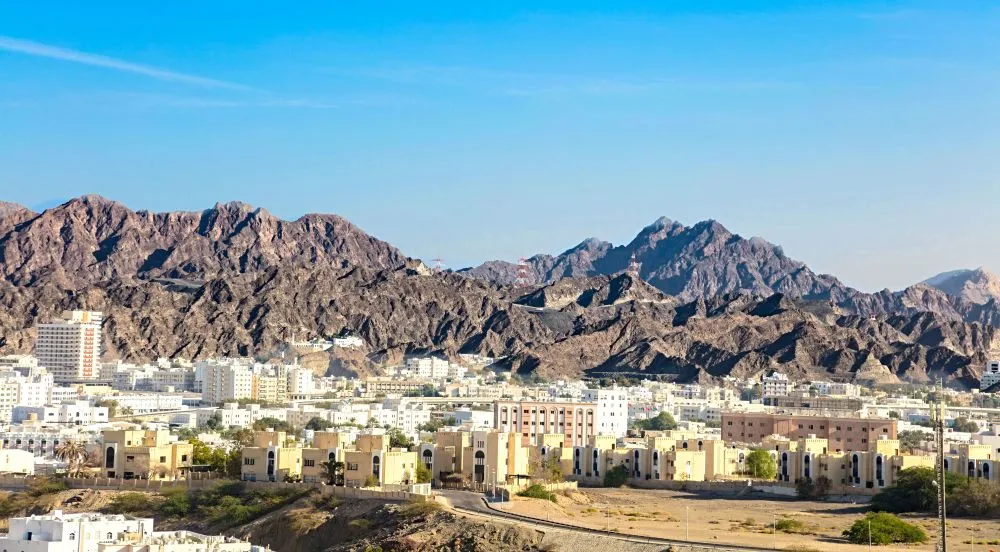
Vast, windswept deserts that melt into turquoise oceans. Rugged mountain peaks hiding ancient, terraced villages. Emerald-green pools tucked away inside dramatic rocky canyons.
While its neighboring countries chose to build toward the clouds with ultra-modern skyscrapers, the Sultanate of Oman quietly preserved its soul. Here, low-rise, white-washed architecture stands proudly against a backdrop of raw, dramatic nature. Oman offers discerning travelers something increasingly rare in the region: authentic Arabian heritage, world-class eco-tourism, and genuine, warm hospitality.
Whether you want to sleep under a canopy of stars in a desert camp, hike the "Grand Canyon of Arabia," or swim through secret cave pools, this comprehensive Oman travel guide covers everything you need to know to plan the perfect journey.
Why Oman Should Be Your Next Travel Destination
Oman stands out as a unique travel destination because it prioritizes cultural heritage and environmental sustainability over mass commercial tourism. If you are looking for an escape that feels entirely distinct from the rest of the Gulf region, here are the three pillars that make the Sultanate so compelling:
Authentic Arabian Culture
You won't find a forest of glass towers dominating the skyline here. By royal decree, buildings across the country must reflect traditional Omani architectural styles, often featuring elegant arches, domes, and arabesque windows. Walking through Omani towns feels like stepping into a living history book, where men still wear the traditional dishdasha (a long, collarless gown) and kumma (an embroidered cap) as part of daily life. Heritage is lived, not just put on display for tourists.
Geographical Diversity
Few places on Earth offer such extreme natural contrasts within a few hours' drive. Oman breaks the stereotype that the Arabian Peninsula is nothing but flat, featureless desert. In a single day, you can watch endangered green sea turtles nest on a rugged coastline, swim through a refreshing freshwater oasis hidden inside a steep canyon, and watch the sunset from the crest of a massive, copper-colored sand dune.
Legendary Hospitality
Omani culture is anchored by a deep-rooted tradition of welcoming travelers. This isn't transactional hospitality; it is a foundational cultural value. Don't be surprised if shopkeepers, guides, or locals you meet offer you Kahwa (traditional Omani coffee infused with cardamom and saffron) accompanied by fresh, sweet dates. Accepting this hospitality is a genuine gesture of connection that often defines the highlight of a trip here.
Essential Planning, Logistics, and Vital Visit Oman Tips
Navigating the practicalities of traveling through the Sultanate is incredibly straightforward. With world-class infrastructure and traveler-friendly policies, setting up your logistics requires minimal effort.
Visa Requirements
Entering Oman is easier than ever. The Sultanate grants visa-free entry for up to 14 days to citizens of more than 100 countries—including the US, Canada, the UK, Australia, New Zealand, Japan, and EU nations.
To take advantage of this exemption, you simply need:
A passport valid for at least six months from your arrival date.
A confirmed return flight ticket.
A valid hotel booking and travel medical insurance.
If you plan to stay longer than 14 days or your nationality is not on the exemption list, you can seamlessly apply for a 30-day Tourist Visit Visa through the official Royal Oman Police eVisa portal before you travel.
Is Oman Safe for Travelers?
If you are asking yourself, "is oman safe?", you can travel with complete peace of mind. Oman is consistently recognized as one of the safest, most peaceful countries globally for solo travelers, couples, and families. Violent crime is virtually non-existent, and the country boasts a highly stable political environment.
Because Oman is a deeply traditional Islamic nation, respecting local cultural boundaries is a core part of being a responsible traveler:
For Women: Outside of beach resorts, clothing should cover the shoulders and extend past the knees. Loose linen shirts, wide-leg trousers, and maxi skirts are perfect for the warm climate. A headscarf (shayla) is not required for daily sightseeing, but it is strictly mandatory to enter places of worship.
For Men: Long trousers or jeans are preferred in towns and cities. While shorts are perfectly fine at beaches or wadis, sleeveless shirts and very short shorts should be avoided when visiting public markets or administrative buildings.
Currency and Budgeting for Your Oman Travel Guide
The local currency is the Omani Rial (OMR), which is divided into 1,000 baisa. The Rial is pegged to the US Dollar and is one of the highest-valued currency units in the world.
While high-end hotels, major supermarkets, and restaurants widely accept international credit cards, carrying physical cash is essential. You will need paper Rials for small village cafes, traditional souqs, remote gas stations, and paying for boat crossings at various wadis. ATMs are widely accessible at the airport and within all major urban centers.
The Best Time to Visit Oman According to Seasonal Weather
Because the Sultanate features distinct geographical zones, pinpointing the best time to visit Oman depends entirely on your target destinations. While northern cities experience classic desert dynamics, the southern Dhofar region follows a completely different subtropical weather pattern.
Understanding Oman's three primary travel windows will help you align your itinerary with optimal weather conditions:
1. The Peak Season (October to April)
This window is widely considered the absolute best time to visit Oman for a classic road trip across Muscat, Nizwa, the Al Hajar Mountains, and the desert dunes.
The Climate: Daytime temperatures range comfortably between 25°C and 30°C along the coast. Rainfall is fleeting, typically occurring as short, sharp showers in January or February.
The Mountain Phenomenon: Up in the high altitudes of Jebel Shams and Jebel Akhdar, temperatures routinely drop below 10°C after dark, making warm layers essential for overnight stays.
Special Highlights: March and April usher in the spectacular rose-blooming season on Jebel Akhdar, transforming mountain terraces into highly aromatic landscapes.
2. The Khareef Season in Salalah (July to September)
While the rest of the Arabian Peninsula experiences blistering summer heatwaves, the southern coastal city of Salalah enjoys a unique localized monsoon known as the Khareef.
The Climate: Trapped cool winds from the Indian Ocean create a dense, humid mist accompanied by constant light drizzle.
Temperatures drop dramatically to a refreshing 20°C to 27°C.
The Transformation: Within weeks, the arid, brown mountains of Dhofar turn into lush, vibrant green valleys.
Seasonal waterfalls, such as those at Wadi Darbat, gush down limestone cliffs.
Traveler Dynamic: This is peak season for regional travelers looking to escape the desert heat.
If you want to see Salalah at its greenest, plan your visit between mid-July and late August.
3. The Extreme Summer (May to August)
Summers in northern Oman are intensely hot and highly humid, with coastal temperatures in Muscat and Sur routinely surging past 40°C.
The Desert & City Impact: Exploring wadis, hiking mountain trails, or dune bashing in Wahiba Sands is highly discouraged during midday due to extreme heat index levels.
The Silver Lining: If you do visit during these months, luxury resort rates drop significantly. Furthermore, summer is the prime turtle-nesting and hatching season at the Ras Al Jinz Reserve, offering incredible wildlife viewing opportunities under cooler nighttime skies.
Getting Around: The Ultimate Oman Road Trip Experience
Public transportation options connect major hubs like Muscat and Nizwa, but they do not service remote trailheads, hidden canyons, or desert camps. To truly unlock the country, renting a vehicle is highly recommended.
Navigating Strict Mountain Checkpoints
If you plan to include mountain driving on your itinerary, a 4WD is often a legal requirement, not just a recommendation. For instance, the Royal Oman Police operate a permanent checkpoint at the base of Jebel Akhdar. They will deny access to any standard 2WD sedan because the steep, winding mountain descents require low-gear braking to prevent brake failure.
- Practical Tips for Driving in Oman
- Livestock Hazards: While highways are beautifully paved and well-lit, free-roaming camels in desert areas and mountain goats on winding roads frequently step onto live lanes without warning.
- Navigation Apps: Both Google Maps and Waze feature highly precise, up-to-date mapping data for Oman's expanding road network.
- Speed Cameras: Fixed speed radars are heavily deployed along all major highways. Exceeding the posted limit by even a small margin triggers automated fines, so monitor your speedometer closely.
Top Things to Do: The Core of Your Oman Travel Guide
From coastal urban elegance to wild mountain frontiers, the geography of Oman dictates an unforgettable array of activities. To build a perfectly balanced itinerary, map out your journey through these five distinct geographical regions.
Things to Do in Muscat: The Elegant Capital
Muscat serves as an immaculate introduction to the country. It is a city that feels spacious, framed beautifully by dark volcanic mountains and the pristine waters of the Gulf of Oman.
Sultan Qaboos Grand Mosque: A masterpiece of modern Islamic architecture. The main prayer hall holds a stunning 8-ton Swarovski crystal chandelier and a single-piece Persian carpet that took 600 artisans four years to weave. Note that it is open to non-Muslims from 8:00 AM to 11:00 AM daily (except Fridays).
Mutrah Souq and Corniche: Experience the classic maritime trading post atmosphere. Walk the waterfront promenade at dusk, then venture into the covered alleys of the souq to pick up premium raw frankincense, hand-cast silver daggers (khanjars), and fine spices.
Royal Opera House Muscat: A breathtaking synthesis of traditional Omani design and contemporary acoustic engineering, carved entirely from white desert limestone.
Nizwa: The Cultural Heart of the Oman Travel Guide
Located a two-hour drive inland at the base of the mountains, Nizwa serves as a living monument to Oman's fiercely protected interior heritage.
Nizwa Fort: Explore the imposing 17th-century circular gun turret. The complex features ingenious ancient defense traps, including hidden floor drops and shafts designed specifically for pouring boiling date syrup on invading forces.
The Friday Goat Market: If you can align your schedule to be in Nizwa on a Friday morning, you will experience a centuries-old tradition. Starting at 6:30 AM, local traders from remote mountain villages gather in an open mud courtyard to auction livestock in a fast-paced, highly spirited circle.
The Mountains: Jebel Shams and Jebel Akhdar
Part of the rugged Al Hajar range, Oman's high altitudes offer dramatic alpine vistas and cooler temperatures year-round.
Jebel Shams: Towering at over 3,000 meters, this is the highest point in Oman. It is famous for the Balcony Walk, a dramatic, cliff-clinging hiking trail that charts the edge of a deep vertical chasm often called the "Grand Canyon of Arabia."
Jebel Akhdar: Known as the "Green Mountain," this plateau relies on ancient falaj channels (traditional gravity-fed irrigation systems) to sustain high-altitude terraces growing pomegranates, walnuts, and rows of damask roses used in local rosewater production.
The Deserts and Wadis: A Must-See in Any Oman Travel Guide
The true magic of the interior lies in the sudden transition from arid sand wilderness to lush, water-rich desert oases.
Wadi Shab: An essential adventure. A brief boat ride across a river lagoon leads to a 45-minute trek between towering limestone cliffs. The trail rewards hikers with a series of crystalline, deep freshwater pools where you can swim through a narrow cave opening to discover a hidden waterfall.
Wahiba Sands (Sharqiya Sands): A vast expanse of longitudinal dunes that shifting winds paint in rich shades of copper and gold. Spend a night at a desert wilderness camp, sample traditional slow-cooked Bedouin food, and watch the morning silence take over the dunes.
Wadi Bani Khalid: A highly accessible contrast to Wadi Shab. It features massive, deep natural pools fed by constant underground springs, surrounded by dense palm groves—perfect for a leisurely afternoon swim.
The Coast: Sur and the Musandam Peninsula
Oman's maritime identity spans thousands of miles of diverse coastline, stretching from historical ports to dramatic northern fjords.
Sur Maritime Heritage: Visit the last remaining traditional dhow shipbuilding yards in the region. For centuries, these wooden vessels connected Oman with East Africa and India. At night, visit the nearby Ras Al Jinz Turtle Reserve to view endangered green sea turtles nesting on the protected shoreline under strict ecological guidance.
The Musandam Peninsula: A striking mountain exclave separated from the mainland by the UAE. Famous for its sheer limestone cliffs dropping straight into clear waters, it is best explored via a traditional wooden dhow cruise to spot wild humpback dolphins and snorkel among rich coral reefs
What to Eat: A Culinary Oman Travel Guide
Omani cuisine is a flavorful reflection of the country’s rich seafaring history. For centuries, Omani merchants dominated trade routes across the Indian Ocean, bringing back fragrant spices from India, culinary techniques from Persia, and unique ingredients from East Africa.
The result is a distinct culinary identity that balances rich, aromatic spices without relying on heavy, tongue-burning heat. To eat like a local during your journey, seek out these traditional staples:
1. Shuwa: The Crown Jewel of Omani Food
Shuwa is more than just a meal; it is a celebratory ritual traditionally prepared for Eid.
The Process: Bone-in lamb, goat, or beef is heavily marinated in a complex paste of red pepper, garlic, cumin, coriander, cloves, and vinegar. The meat is then wrapped tightly in banana or palm leaves, placed inside a woven palm sack, and dropped into a communal underground fire pit.
The Result: The meat slow-roasts buried underground for anywhere from 24 to 48 hours. By the time it is unearthed, the meat is incredibly smoky, pull-apart tender, and falls off the bone. It is served served family-style over a massive bed of fragrant saffron-infused basmati rice.
2. Majboos (Makboos)
Often considered a staple comfort food across the Sultanate, Majboos is a rich, single-pot rice dish heavily influenced by Indian biryani but carrying a uniquely Gulf flavor profile.
Chicken, meat, or fresh fish is simmered with a blend of whole spices—cardamom, cinnamon, cloves, and dried black limes (loomi). The rice is then cooked directly in the intensely flavorful spiced broth. It is typically garnished with a mixture of fried onions, split chickpeas, and raisins, and served alongside daqqus (a zesty, homemade hot tomato garlic sauce).
3. Mashuai
Given Oman's expansive coastline, seafood plays a massive role in daily nutrition. Mashuai is a celebrated coastal dish consisting of a whole spit-roasted kingfish or mackerel. Before roasting, the fish is coated in a robust rub dominated by cumin, coriander, and lemon juice. It is traditionally served over a savory rice made with split peas and local ghee.
4. The Sweet Ritual: Omani Halwa & Kahwa
You cannot leave the country without participating in the cornerstone of Omani hospitality.
Frequently Asked Questions
1. Can you drink alcohol in Oman, or is it completely banned?
Alcohol is legal in Oman but is tightly regulated due to local Islamic customs. You cannot buy alcohol in supermarkets or convenience stores. Instead, it is served exclusively in licensed venues, such as international hotel bars, high-end restaurants, and private clubs. If you want to consume alcohol in your accommodation, you can purchase a limited amount of duty-free alcohol at Muscat International Airport immediately upon arrival. Drinking or being intoxicated in public spaces outside of these designated areas is strictly prohibited.
2. Is wild camping legal in Oman, and what are the rules?
Yes, wild camping is completely legal and highly popular across Oman, making it a dream destination for budget adventurers. You can pitch a tent almost anywhere on public land, including empty beaches, rolling desert dunes, and mountain plateaus, without needing a permit. The only major exceptions are protected ecological areas—such as the Ras Al Jinz Turtle Reserve or the delicate ecosystem of Jebel Akhdar—where camping is heavily restricted or requires a specialized guide. Always pack out your trash and respect privacy near small mountain villages.
3. Do I need an international driving permit to rent a car in Oman?
If you hold a valid driver's license written in English or Arabic (such as a license from the US, UK, Canada, or EU nations), most major car rental agencies in Oman will allow you to rent a vehicle without an International Driving Permit (IDP) for short tourist stays. However, carrying an IDP alongside your national license is highly recommended as a safety measure. It ensures smooth processing during routine police checkpoints or if you need to file an insurance claim after a minor road incident.
Conclusion
Oman is a rare destination that respects its past while warmly welcoming the future. It rewards travelers who love open roads, wild landscapes, and deep cultural immersion.