
Travel Guide
The Layer Pyramid: Architecting the Evolution of Egypt’s Ancient Monoliths
5 min read
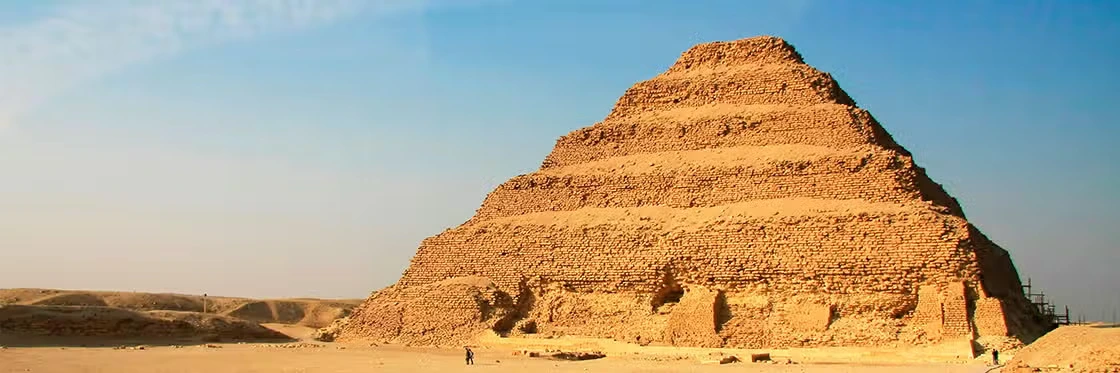
How Was the Layer Pyramid Built?
The construction methodology of the Layer Pyramid reveals a bridge between mudbrick and stone. The core of the pyramid was constructed using a series of inward-leaning layers hence the name "Layer Pyramid" composed primarily of rough limestone blocks and mudbrick.
The Casing Dilemma
The architects attempted to encase this massive, stepped core in fine white Tura limestone to create the aesthetic of a smooth pyramid.
However, the structural stresses of this ambitious design were immense. The inward inclination of the masonry layers was intended to provide stability, but the massive weight of the stone blocks created pressure that the mudbrick mortar simply could not withstand. This tension between the "step" design and the "smooth" ambition eventually led to structural instability.
Excavations have shown that the builders used massive amounts of local rock to fill voids, demonstrating a frantic but highly organized effort to compensate for the weight distribution problems as the pyramid rose higher.
Location of the Pyramid: The Hidden Necropolis of Zawyet El Aryan
Situated roughly 8 kilometers south of Giza, the Zawyet El Aryan necropolis remains one of the most enigmatic and under-explored sites in Egypt. Its position is geographically significant; it serves as a transitional marker between the northern tombs of Giza and the southern necropolis of Saqqara.
The site is currently within a restricted area, which has shielded it from the mass tourism seen at other monuments, allowing the ruins to remain in a state of primitive authenticity. The placement of the Layer Pyramid on a prominent ridge shows that the architects still adhered to the royal mandate of visibility, ensuring that the king’s tomb could be viewed from the distant banks of the Nile, even if the structure was never fully completed to its intended height.
What Makes the Layer Pyramid Unique?
The uniqueness of the Layer Pyramid lies not in its grandeur, but in its transparency.
Structural Integrity Lessons: It provides the only clear view of the "layering" technique that was hidden beneath the casing of later, successful pyramids.
Subterranean Complexity: The burial complex beneath the pyramid features a T-shaped gallery system that is remarkably sophisticated for the 3rd Dynasty.
The Absence of a Finished Exterior: Because it never received its final skin, it acts as a permanent "construction site" that informs our understanding of how ancient laborers moved, placed, and leveled stone.
Fascinating Facts About the Layer Pyramid
The Collapsed Identity: While often called the "Collapsed Pyramid," it is the internal layers that have fallen, not the structure in a typical sense, revealing the "onion-like" construction of ancient tombs.
Material Economy: Builders used a combination of local limestone and mudbrick to manage the massive weight, showcasing an innovative use of available desert resources.
The Unfinished Sarcophagus: Archeologists have found evidence of a subterranean chamber, but the sarcophagus meant for the King was never definitively found in place, leading to theories about whether it was ever used.
The Missing Link: It is often studied as the direct successor to the experimental pyramid of Sekhemkhet, showing how architects corrected past failures.
Myths vs. Facts About the Layer Pyramid
Myth: The pyramid was destroyed by invaders or treasure hunters.
Fact: The current ruined state is primarily due to natural structural failure and the slow erosion of the mudbrick core over 4,700 years.
Myth: The Layer Pyramid is just a large mound of debris.
Fact: It is a deliberate architectural form. The layered construction was a standard, albeit experimental, design principle of the early Third Dynasty.
Myth: The pyramid was secretly built for a high-ranking official instead of a Pharaoh.
Fact: Its sheer scale and the complexity of its burial systems are reserved exclusively for royal burial, supporting the claim that it was intended for Pharaoh Khaba.
How Desert Cruise Makes Your Visit Special
At Desert Cruise, we specialize in unveiling the "unseen Egypt." Our guided tours to the Zawyet El Aryan site are designed for the enthusiast who values historical authenticity over the crowded pathways of the main Giza sites.
Expert Narratives: We don’t just show you ruins; we explain the structural "failure" and what it taught the architects of the Fourth Dynasty.
Exclusive Access: We provide comfortable, private transport to this secluded site, ensuring you can reflect on the history without the interference of massive tour buses.
The Full Picture: Our guides bridge the gap between the Layer Pyramid and the Great Pyramids, helping you visualize the evolution of Egypt’s monumental legacy.
Frequently Asked Questions
- Why is the Layer Pyramid so ruined?
It was never finished, and the lack of a protective outer casing caused it to erode significantly over millennia.
- Can I go inside the Layer Pyramid?
Due to the unstable nature of the ruins, the interior is strictly off-limits to ensure safety and site preservation.
- Is it worth visiting if I have already seen the Giza Pyramids?
Yes, for any history enthusiast, it is essential. Seeing a pyramid in its unfinished state provides a rare "look behind the curtain" at how ancient builders worked.
Conclusion
The Layer Pyramid is not a story of failure, but a story of human ambition. It stands as a silent witness to a civilization that dared to reshape the earth to reach the heavens. Every stone and every layer tells a story of trial, innovation, and the relentless drive for immortality. For the visitor, the Layer Pyramid is a reminder that even the most iconic achievements in history began as humble, experimental attempts. Exploring this site with Desert Cruise is an invitation to witness the raw, unfiltered history of Egypt a journey into the very foundations of the world’s most enduring architectural wonders.