
Travel Guide
White Canyon: Exploring the Majestic Natural Wonder of Sinai
7 min read
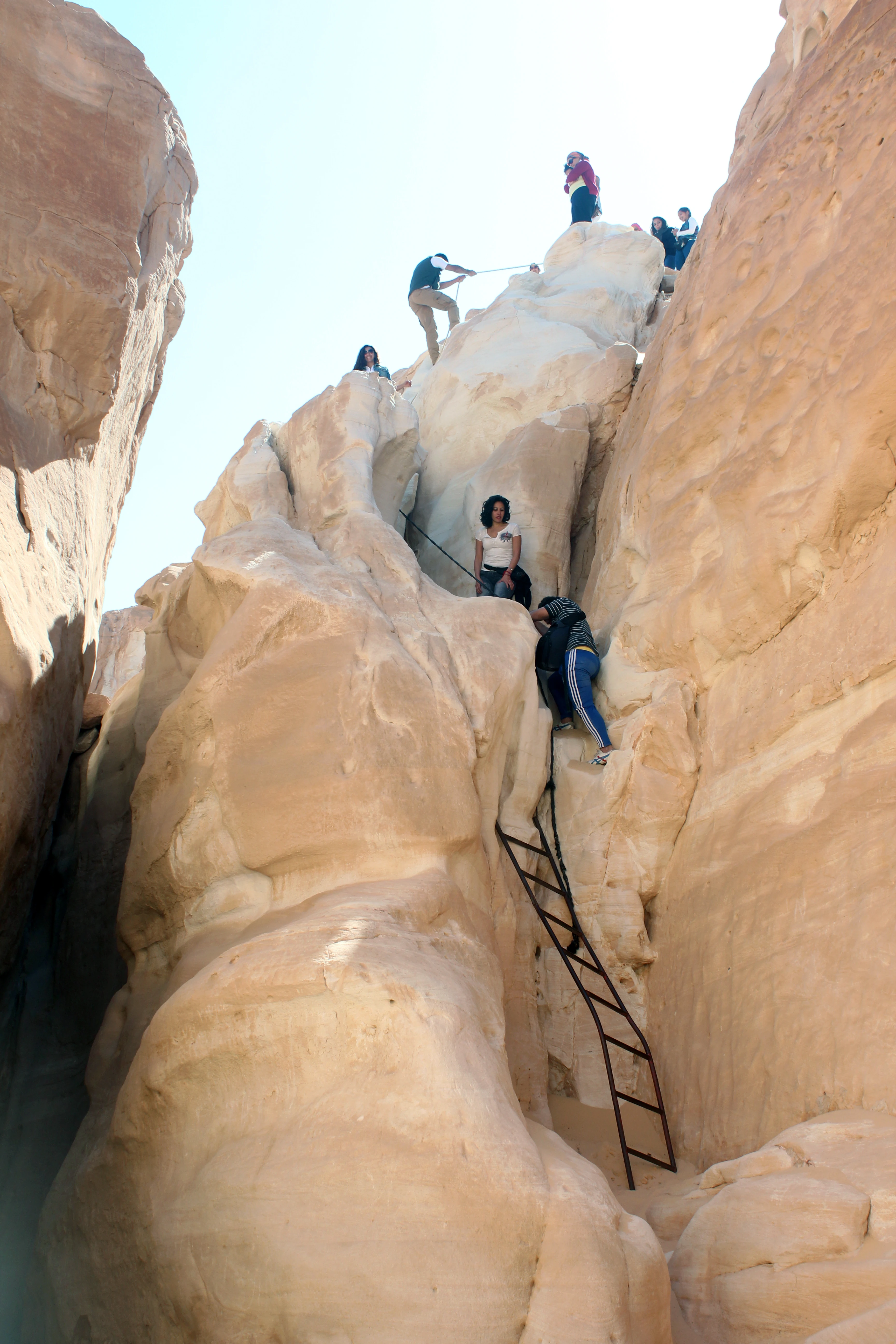
Deep within the rugged heart of the South Sinai Peninsula, a geological masterpiece awaits those who venture off the beaten path. The White Canyon is not merely a hiking trail; it is a profound natural phenomenon where time, water, and desert winds have sculpted a labyrinth of ethereal, limestone beauty. Located in the proximity of Dahab, this stunning gorge serves as a testament to the raw, majestic power of nature. For adventurers, geologists, and photographers, the White Canyon offers an immersive experience that feels as if you have stepped into another world.
How the White Canyon Was Formed
The White Canyon is a result of millions of years of tectonic activity and relentless hydraulic erosion. Unlike the deeper, wider gorges found elsewhere in the Middle East, this canyon is characterized by its narrow, winding passageways and brilliant white limestone walls that seem to glow under the desert sun.
Geologically, the limestone found here is rich in marine fossils, indicating that this entire region was submerged under the Tethys Ocean eons ago. As the Sinai Peninsula rose, ancient rainfall carved through the soft sedimentary layers, creating the smooth, polished corridors that hikers navigate today. The brilliance of the walls is due to the high calcium carbonate content, which reflects sunlight in a way that creates a striking, high-contrast visual environment.
The "Gap" Analysis: The Hidden Hydrology of Sinai
A significant gap in general knowledge about the White Canyon is its role in the regional ecosystem’s water management. Many tourists view the canyon as a dry, dead space. However, it is a vital natural aquifer collector. During the infrequent but intense "flash floods" of the Sinai, the White Canyon acts as a funnel. These floods are the very architects of the canyon, deepening the floor and polishing the walls. Recognizing this hydrological role adds a layer of respect and depth to the hiking experience; you are walking through a living drainage system that is essential for the oasis life that thrives further downstream.
Unique Features: Why It Captivates the Senses
The White Canyon stands out due to its maze-like architecture. Stretching approximately 1.5 kilometers, the gorge forces hikers to interact with the terrain physically.
The Light Play: As the sun moves, the canyon walls shift from blinding white to soft pastels, providing a dynamic backdrop for photographers.
Acoustic Isolation: The narrow walls muffle the sounds of the outside world, creating a meditative silence rarely found in modern life.
Climatic Sanctuary: Even in the peak of summer, the deep shadows within the White Canyon provide a natural cooling system, offering hikers a reprieve from the desert heat.
What Are the Must-Visit Locations Around the White Canyon?
Since the White Canyon is situated in the heart of the South Sinai wilderness near Dahab, the area is rich with surrounding geological and cultural gems. If you are planning a visit, these are the must-visit locations nearby that complement the experience of the canyon:
1. Ain Hudra Oasis
Located just a short distance from the White Canyon, Ain Hudra is a stunning palm-fringed oasis. It serves as a stark, lush contrast to the surrounding arid desert.
Why it’s unique: It is a traditional stop for nomadic Bedouin tribes and offers a tranquil spot to rest under the shade of date palms, often featuring natural springs that provide life in the middle of the desert.
2. The Mushroom Rock (Rock Formation)
Near the trails leading to and from the White Canyon, you will find several peculiar rock formations that have been sculpted by wind erosion over thousands of years. The most famous is the "Mushroom Rock."
Why it’s unique: It is a perfect spot for photography, as the erosion has left a large boulder precariously balanced on a thin stalk, creating an alien-like silhouette against the desert sky.
3. The Nawamis (Prehistoric Tombs)
As you travel through the desert routes near the White Canyon, you will likely encounter these ancient stone tombs. They are some of the oldest stone constructions in the world.
Why it’s unique: Walking through these prehistoric clusters offers a profound sense of time, bridging the gap between the geological wonder of the canyon and the ancient human history of the Sinai Peninsula.
4. Ein Khudra Valley
Beyond just the oasis, the valley itself is an expansive area that offers incredible hiking routes. It is characterized by high, rugged sandstone cliffs that change color throughout the day.
Why it’s unique: It feels like a hidden sanctuary. The valley is less frequented by mass tourism, offering a raw, untouched desert experience where you can often hear nothing but the wind.
5. Dahab’s "Blue Hole" & Coastal Area
While it is located closer to the coast (about a 30-45 minute drive from the canyon area), most visitors combine a desert trek through the White Canyon with an afternoon in Dahab.
Why it’s unique: After the dry, dusty heat of the White Canyon, the contrast of jumping into the world-famous, deep-blue waters of the Blue Hole provides the perfect refreshing end to your adventure.
6. Jebel Barqa
This is a spectacular mountain range visible from the canyon area. It is popular among experienced trekkers who want to get an aerial perspective of the labyrinthine gorges below.
Why it’s unique: It provides a panoramic view that helps you understand the scale and the "maze" structure of the Sinai desert's wadis and canyons.
Best Time to Visit and Seasonal Preparation
To fully appreciate the majesty of the White Canyon, timing is critical.
The Golden Window (October to April): During these months, daytime temperatures are mild, ranging from 18°C to 25°C, perfect for the physical exertion required for hiking.
Safety First: We advise avoiding the canyon during the peak of the summer months (June–August), as the reflected glare from the white limestone can be blinding and the heat intense.
Flash Flood Awareness: Always consult with local guides regarding weather reports, as the geological nature of the canyon makes it sensitive to distant rainfall.
Activities Beyond Hiking
A visit to the White Canyon is often the centerpiece of a broader Sinai adventure:
Technical Trekking: The trail includes natural rock steps, scrambles, and narrow passages that offer a moderate physical challenge.
Stargazing: Due to the low light pollution around the canyon, camping near the entrance offers a celestial show that is unmatched.
Cultural Integration: The canyon is located in the ancestral lands of the Muzeina Bedouin tribe. Engaging with them to learn about traditional herbal medicine and desert navigation enhances the trip exponentially.
How Desert Cruise Travel Enhances Your Experience
Exploring the White Canyon alone can be daunting due to the complex terrain and the shifting desert routes. Desert Cruise Travel provides the bridge between uncertainty and discovery. Our expert guides do not just lead the way; they interpret the landscape. We manage the logistics from secure 4x4 transport from Dahab to the provision of safety equipment ensuring that you focus entirely on the beauty surrounding you. Whether it’s combining your hike with a relaxing dip in the Red Sea or a sunset camel trek, our itineraries are built to maximize your connection with the Sinai desert.
Frequently Asked Questions
- What is the best time of year to hike White Canyon?
The period between October and April offers the most comfortable temperatures for long-distance hiking.
- Is prior hiking experience necessary to explore White Canyon?
While it is not an extreme climb, the trail does require moderate fitness, as it involves walking over uneven surfaces, climbing, and squeezing through tight gaps.
- What equipment do I need for the hike?
Sturdy, high-grip hiking boots are essential. We also recommend wearing long, breathable clothing for sun protection, carrying at least 2 liters of water, and wearing polarized sunglasses to manage the bright light reflected by the limestone.
Conclusion
The White Canyon is more than just a destination; it is an encounter with the raw geological history of the Earth. Whether you are seeking a challenging hike or a quiet moment of reflection within the towering limestone walls, this natural wonder delivers an experience that resonates long after you leave the desert. With the right guidance and a spirit of adventure, your journey through the White Canyon will be the highlight of your Sinai travel.