Geziret Faraoun stands as a remarkable jewel off the coast of the Sinai Peninsula, where history and nature intertwine to create a captivating destination. This small granite island, famously known as Pharaoh’s Island or Coral Island, is renowned for its ancient Crusader fortress, panoramic views, and rich maritime heritage. Visitors to the island have the unique opportunity to explore remnants of a bygone era while enjoying pristine marine environments that make it a perfect blend of cultural richness and natural splendor. Whether interested in history, snorkeling, or simply soaking in breathtaking vistas, Geziret Faraoun offers an unforgettable experience deeply rooted in Sinai’s multifaceted identity.
What is Geziret Faraoun and why is it a significant destination in the Sinai Peninsula?
Geziret Faraoun is a fortified granite island located 250 meters off the eastern coast of the Sinai Peninsula near Taba. It is most famous for housing the Citadel of Salah El-Din, a medieval fortress that played a pivotal role in the Crusader wars. Beyond its historical significance, the island is a premier destination for Egypt desert safari enthusiasts and divers, known for its surrounding coral reefs and panoramic views of four countries.
Where is Geziret Faraoun located?
Geziret Faraoun is located in the northern Gulf of Aqaba, approximately 8 to 10 kilometers south of the border town of Taba in Egypt. Positioned just 250 meters from the Sinai shoreline, the island is strategically placed at the narrowest point of the Gulf, where Egypt, Jordan, Israel, and Saudi Arabia converge.
This unique geographical location has defined the island’s purpose for millennia. Historically, it acted as a vital surveillance post, controlling the flow of trade and military movements between the Levant and the African continent. Today, its location makes it an accessible excursion for tourists staying in the Taba resort corridor, with boat transfers being the primary mode of access.
The setting is part of a broader, dramatic landscape where the jagged mountains of the Sinai range descend directly into the sea. Travelers visiting the island are treated to a rare vantage point where they can look across the water and identify the distinct coastlines of the surrounding nations, reinforcing the island’s status as a crossroads of civilization.
What is the history of the Citadel of Salah El-Din on Geziret Faraoun?
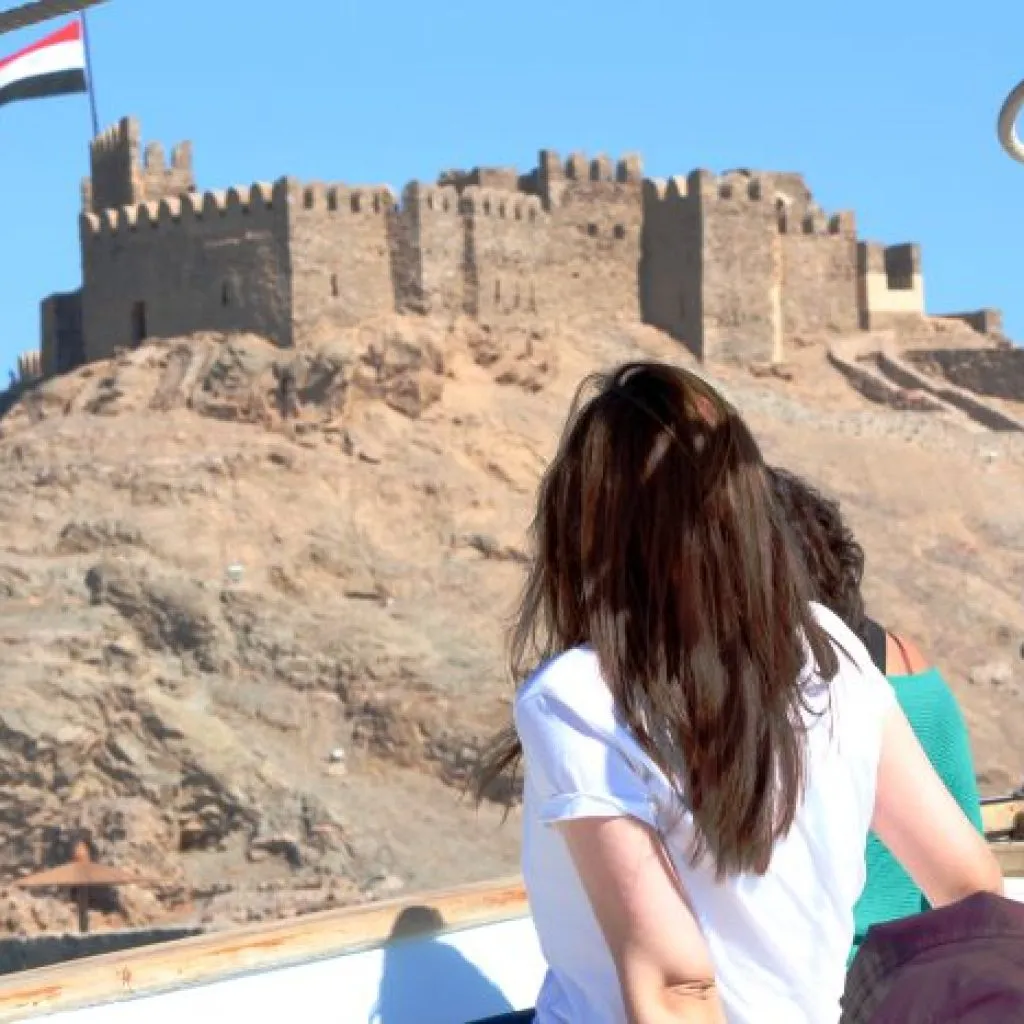
The Citadel of Salah El-Din on Geziret Faraoun is a medieval military fortification originally established by the Crusaders in the 12th century and later captured and expanded by the Ayyubid Sultan Saladin in 1170. It served as a critical defensive outpost to protect Hajj pilgrimage routes and trade caravans, and it remains one of the best-preserved examples of Crusader-era military architecture adapted for Islamic defense.
The fortress was initially built by Baldwin I, King of Jerusalem, to tax merchants and secure the Gulf of Aqaba. When Saladin seized the island, he recognized its strategic brilliance and fortified it further, adding circular towers and massive walls that could withstand prolonged sieges. This adaptation is evident in the blend of European defensive design and Islamic architectural flourishes.
Inside the citadel, visitors can explore a well-preserved complex of barracks, kitchens, baths, and prayer halls. The structure is built into the granite bedrock of the island, creating a seamless connection between the fortification and the landscape. It is currently on the UNESCO World Heritage Tentative List, recognized for its role in the struggle for control over the Levant during the Middle Ages.
What makes Geziret Faraoun a world-class diving destination?
Geziret Faraoun is a world-class diving and snorkeling destination because it is surrounded by a fringing coral reef that acts as an underwater sanctuary. The island’s steep underwater walls and “Picasso Reef” offer a vibrant marine ecosystem, hosting everything from rare butterflyfish and triggerfish to larger pelagic species that navigate the deep currents of the Gulf of Aqaba.
Because the water around the island is exceptionally clear, visibility often exceeds 30 meters, making it ideal for underwater photography. The reef structure itself is healthy and diverse, providing a stark contrast to the barren granite landscape of the island above. For divers, the site offers unique topography, including underwater canyons and plateaus that drop away into the deep blue.
Snorkelers can easily access the reef by boat from Taba, often spending their morning exploring the historical fortress on the island and their afternoon immersed in the vibrant life of the Red Sea. The confluence of history and biology makes a day at the island a multi-sensory experience that is rare even in the diverse tourism landscape of Egypt.
What is the best time to visit Pharaoh’s Island?
The best time to visit Geziret Faraoun is during the shoulder seasons of spring (March to May) and autumn (September to November), when weather conditions in the Gulf of Aqaba are mild and ideal for both sightseeing and water activities. During these months, the daytime temperatures are generally between 25°C and 30°C, and the sea temperature is pleasant for extended swimming and snorkeling.
Winter (December to February) is also a popular time to visit, as the desert climate remains warm enough for outdoor activities, though the water can be cooler, necessitating a wetsuit for longer dives. The winter sun is gentle, making it perfect for exploring the exposed stone walls of the citadel without the risk of heat exhaustion.
Summer (June to August) should be approached with caution. Temperatures in Taba can exceed 35°C, and the lack of shade on the island means that midday visits can be physically taxing. For those who do visit in summer, early morning boat trips are highly recommended to avoid the peak heat of the afternoon.
How do you get to Geziret Faraoun?
To reach Geziret Faraoun, travelers must take a short boat trip from the coastal marinas near Taba. Most excursions are organized through licensed tour operators who arrange the necessary marine permits and boat transfers. The boat journey across the turquoise waters typically takes between 10 to 20 minutes, offering scenic views of the Sinai mountains meeting the sea.
Taba itself is well-connected by road to the rest of the Sinai Peninsula, including Dahab, Nuweiba, and Sharm El Sheikh. Many visitors combine a visit to the island with a larger itinerary exploring the Eastern Sinai, driving along the scenic coastal road that hugs the Gulf.
Because the island is a protected heritage site, independent access is generally not permitted without a guide or authorized boat operator. Booking through a reputable travel company is the standard way to ensure a seamless trip that includes both the citadel tour and the snorkeling experience.
Is Geziret Faraoun safe for tourists?
Geziret Faraoun is safe for tourists, as it is part of the well-monitored Taba tourism corridor. The Egyptian authorities maintain a consistent security presence in the region, and boat excursions to the island are conducted by licensed operators who are familiar with maritime regulations and local safety protocols.
Travelers are advised to follow standard safety precautions while on the island, such as wearing sturdy shoes for walking on the uneven, rocky terrain of the citadel and utilizing life vests during snorkeling activities. The island is uninhabited, so there are no medical facilities on-site, meaning visitors should carry basic necessities like water, sun protection, and a small first-aid kit.
As with any travel in the Sinai Peninsula, it is always a good idea to stay updated on travel advisories for the border regions. However, the coastal area of Taba and the excursion to Pharaoh’s Island have remained stable, welcoming destinations for international travelers for many years.
How can Desert Cruise Travel help plan your Geziret Faraoun experience?
Desert Cruise Travel provides specialized, stress-free excursions to Geziret Faraoun, combining historical guided tours of the Citadel of Salah El-Din with private boat charters for snorkeling in the island’s pristine reefs. We manage all permits, secure reliable boat transfers, and provide expert guides who can bring the medieval history of the island to life.
Our expertise allows us to craft the perfect day trip, whether you are staying in Taba or traveling up from Dahab. We handle the logistical intricacies of desert travel, ensuring that your journey from your hotel to the island is comfortable, safe, and efficient.
For those looking to extend their adventure, we offer combination packages that include:
Private Guided Citadel Tours: Deep-dive into the history of the Crusader and Ayyubid eras.
Exclusive Snorkeling Excursions: Access to the best hidden spots around the island away from larger crowds.
Custom Sinai Itineraries: Integrate your island visit with tours to the nearby Fjord Bay, the Colored Canyon, or St. Catherine’s Monastery.
Trusting Desert Cruise Travel means choosing a partner committed to authentic, respectful tourism. We ensure that your visit to this heritage site is not only memorable but also contributes positively to the local community and the preservation of the environment.
Conclusion
Geziret Faraoun is a hidden gem of Sinai offering remarkable history, stunning natural vistas, and refreshing marine environments. Its blend of Crusader history and natural beauty makes it a must-visit for those exploring the Sinai Peninsula’s rich heritage.