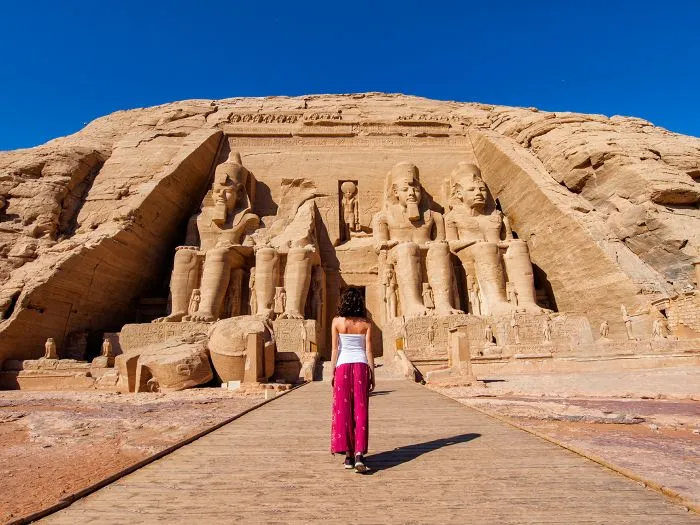
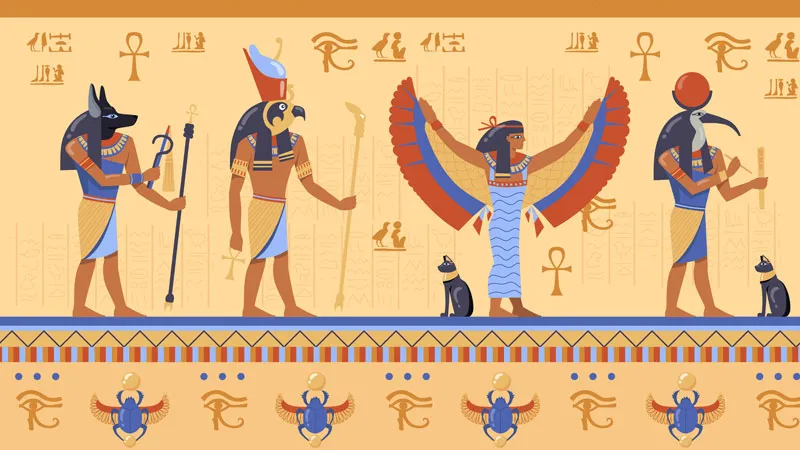
The New Kingdom of Egypt is widely regarded as the most powerful and prosperous era in ancient Egyptian history. When exploring new kingdom Egypt facts, we uncover a civilization that reached its peak in political authority, military expansion, artistic innovation, and religious influence. This golden age began around 1550 BC, following the reunification of Egypt by Ahmose I, and ended around 1069 BC with the decline of central authority and the rise of foreign rulers.
This period includes Dynasties 18, 19, and 20, bridging the gap between the Second and Third Intermediate Periods. Many of the most famous pharaohs—such as Hatshepsut, Thutmose III, Amenhotep III, Akhenaten, Tutankhamun, and Ramses II—ruled during this remarkable time.
What Best Describes New kingdom of Egypt?
The New Kingdom of Egypt (c. 1550–1070 BC) is best described as the “Imperial Golden Age” of ancient Egyptian history. This era was characterized by unprecedented wealth, architectural grandeur, and global political influence.
Key Characteristics of New Kingdom Prosperity:
Military Expansion & Empire Building: Egypt became a world superpower, extending its borders from the Euphrates in the north to the Fourth Cataract of the Nile in the south (Nubia).
Economic Wealth through Trade: Massive wealth was generated through international trade missions, most notably Queen Hatshepsut’s expedition to the Land of Punt, bringing back gold, incense, and exotic animals.
Monumental Architecture: The influx of riches funded massive construction projects, including the Karnak Temple Complex, the Luxor Temple, and the rock-cut tombs of the Valley of the Kings.
Diplomatic Dominance: The period saw the first recorded peace treaties (e.g., between Ramses II and the Hittites) and sophisticated international relations supported by the exchange of luxury goods.
Artistic Innovation: Increased prosperity led to a refinement in art and jewelry, exemplified by the sophisticated treasures found in the tomb of Tutankhamun.
Factor Impact on Prosperity Military Control of gold mines in Nubia and tribute from the Levant. Trade Import of cedar wood, Lapis Lazuli, and exotic spices. Pharaohs Strong leadership from figures like Thutmose III and Ramses II.
Historical Overview (1550–1069 BC)
One of the most important new kingdom Egypt facts is that this era began with national reunification. Ahmose I, founder of the Eighteenth Dynasty, expelled the Hyksos from northern Egypt after decades of foreign rule. His military victories restored Egyptian sovereignty and laid the foundations for imperial expansion.
Ascending the throne at a young age, Ahmose initially ruled under the guidance of his mother, Queen Ahhotep, who played a crucial political and military role. After securing Egypt internally, Ahmose launched campaigns into southern Canaan and Palestine, ensuring Egypt’s borders were protected from future invasions.
Administratively, Ahmose revived Middle Kingdom systems, strengthened the bureaucracy, and established a professional standing army. These reforms represent essential new kingdom Egypt facts that explain how Egypt transformed into a dominant empire.
How Ancient Egypt Dominated the Ancient World
Another key aspect when studying new kingdom Egypt facts is Egypt’s foreign policy. Military expansion went hand in hand with diplomacy. Pharaohs such as Amenhotep II and Thutmose IV continued aggressive campaigns in Nubia and the Levant, pushing Egypt’s influence as far as the Euphrates River.
To maintain peace, diplomatic marriages became common. Egyptian kings married princesses from Mitanni, Babylon, and Arzawa, creating alliances rather than relying solely on warfare. This strategic diplomacy highlights the political sophistication of the New Kingdom.
One of the most symbolic stories among new kingdom Egypt facts is the legend of Thutmose IV and the Great Sphinx of Giza. According to the Dream Stela, the god Ra promised Thutmose kingship if he cleared the Sphinx of sand—a divine endorsement of royal authority.
New kingdom egypt characteristics prosperity
Among the most fascinating new kingdom Egypt facts is the reign of Amenhotep III, often described as the peak of Egyptian wealth and artistic achievement. His nearly 40-year reign was characterized by peace, luxury, and monumental construction.
Amenhotep III preferred diplomacy over war, strengthening Egypt’s global position through royal marriages. His queen, Tiye, played an unusually influential role in politics and religion, reflecting the elevated status of royal women during the New Kingdom.
Despite Thebes remaining the religious capital, Amenhotep III spent considerable time in Memphis, reinforcing ties with the solar cult of Heliopolis. His extensive building projects—temples, statues, and palaces—reshaped Egypt’s architectural landscape.
A notable new kingdom Egypt fact is that his chief architect, Amenhotep son of Hapu, was later worshipped as a god due to his wisdom and achievements.
How the Amarna Period Redefined New Kingdom Egypt Facts
No list of new kingdom Egypt facts is complete without mentioning the Amarna Period. During the reign of Amenhotep IV (Akhenaten), Egypt experienced a dramatic religious and artistic revolution. Akhenaten promoted the exclusive worship of Aten, the solar disk, weakening the traditional priesthood of Amun.
He established a new capital, Akhetaten (Tell el-Amarna), and introduced a unique artistic style characterized by realism and intimate family scenes. This period is exceptionally well documented through diplomatic letters and inscriptions, making it one of the best-recorded phases of ancient Egyptian history.
The religious experiment ended with Tutankhamun, who restored traditional beliefs and temples, attempting to stabilize the kingdom.
Religion in the New Kingdom
Religion is central to understanding new kingdom Egypt facts. The god Amun, particularly in his combined form Amun-Ra, became the supreme deity of the empire. The cult of Osiris, god of the afterlife and resurrection, also gained immense popularity.
Funerary Innovations
One of the most significant new kingdom Egypt facts is the creation of the Valley of the Kings. Pharaohs such as Amenhotep I separated their tombs from their mortuary temples to protect royal burials from looting.
The belief in divine birth (Theogamy) reinforced royal legitimacy, portraying pharaohs as sons of gods. High officials like Hapuseneb and Senmut held both religious and administrative power, strengthening the link between religion and governance.
Important Figures of the New Kingdom
When exploring new kingdom Egypt facts, it is essential to understand the influential individuals behind royal power.
Senmut
A close advisor and architect of Queen Hatshepsut, Senmut designed the magnificent temple of Deir el-Bahari. His political and religious roles demonstrate how non-royal elites gained extraordinary influence during the New Kingdom.
Sennefer
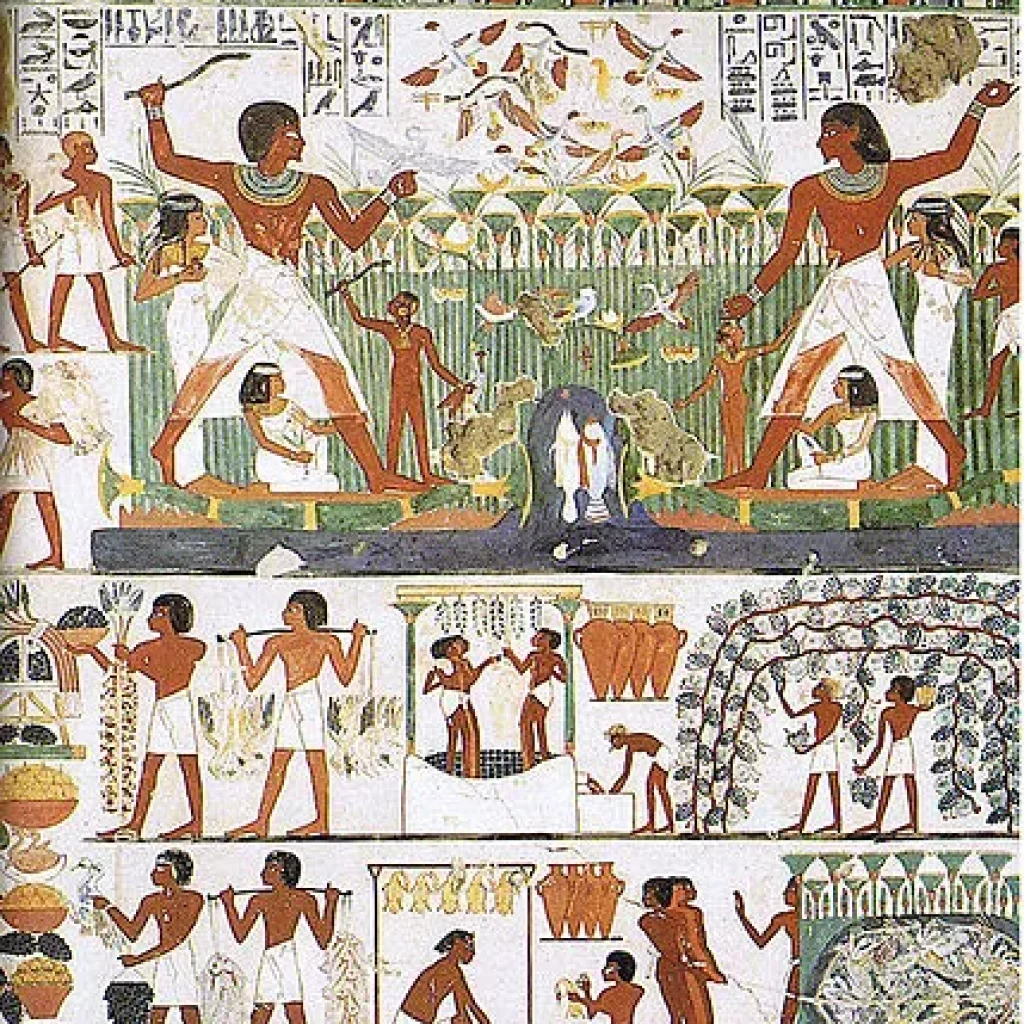
Mayor of Thebes, Sennefer’s tomb TT96, known as the Tomb of the Vines, is one of the finest examples of elite burials, reflecting prosperity and artistic refinement.
Rejmira
Vizier under Thutmose III, Rejmira’s tomb TT100 provides valuable new kingdom Egypt facts about administration, justice, and foreign tribute.
Rames, Jonsu, Benia, Amenhotep son of Hapu, and Userhat
These officials served as viziers, prophets, and supervisors of royal works, illustrating the complexity of New Kingdom bureaucracy.
Why These Figures Matter in New Kingdom Egypt Facts
Together, these individuals reveal a fundamental truth behind new kingdom Egypt facts: Egypt’s greatness was not built by pharaohs alone. It was sustained by a sophisticated administrative system, skilled architects, influential priests, and loyal officials who ensured stability, prosperity, and continuity across generations.
Understanding these powerful figures allows readers to see the New Kingdom not just as an age of monumental kings, but as a complex, well-organized empire driven by human expertise and institutional strength.
Military Campaigns: Building an Empire
Military strength is among the most important new kingdom Egypt facts. Ahmose I initiated campaigns in southern Canaan after capturing Sharuhen in the Gaza region a vital trade and military hub.
Later rulers such as Amenhotep I and Thutmose I expanded Egypt’s borders deep into Nubia and Syria, creating an empire supported by a highly trained and disciplined army. These campaigns brought wealth, tribute, and international prestige.
Economy of the New Kingdom
Economic prosperity explains many new kingdom Egypt facts related to construction and cultural growth.
Mining and Resources
Gold and diorite from Nubia
Copper and turquoise from Sinai
Gold, alabaster, and porphyry from the Eastern Desert
Gods were believed to protect these resources: Amun guarded Nubian gold mines, while Hathor oversaw turquoise mining in Sinai.
Trade and Commerce
Trade routes through the Red Sea and Indian Ocean connected Egypt to Punt (modern Somalia) and East Africa. Archaeological discoveries of Egyptian artifacts abroad confirm the global reach of New Kingdom trade.
New Kingdom Egypt Facts
The New Kingdom was Egypt’s most powerful era
One of the key New Kingdom Egypt facts is that this period (c. 1550–1069 BC) marked the height of Egypt’s political power, military expansion, and international influence.Egypt became a true empire during the New Kingdom
Among the most important New Kingdom Egypt facts is that Egyptian armies expanded the empire into Nubia and the Levant, reaching as far as the Euphrates River.Religion and politics were deeply connected
A major New Kingdom Egypt fact is the dominance of Amun-Ra, whose priesthood held enormous wealth and political power, directly supporting royal authority.The Valley of the Kings was created in this period
One of the most famous New Kingdom Egypt facts is the use of the Valley of the Kings as a royal burial ground to protect pharaohs’ tombs from looting.Non-royal officials held significant influence
Several New Kingdom Egypt facts show that powerful officials such as viziers, priests, and architects—like Senmut and Amenhotep son of Hapu—played vital roles in governing and shaping the empire.