Visiting Egypt during Ramadan is not just a change in travel timing, but a completely different cultural experience that reshapes daily routines, social interactions, and even the rhythm of the streets, making it essential for travelers to understand how Ramadan in Egypt influences everything from sightseeing schedules to dining options and local etiquette before planning their trip.
Unlike other times of the year, Ramadan introduces a unique contrast between calm daytime hours and vibrant, socially rich evenings, offering visitors the opportunity to experience Egypt in a deeply authentic and human-centered way that goes far beyond traditional tourism.
What Is Ramadan Like in Egypt for First-Time Visitors?
For first-time travelers, Ramadan in Egypt can feel both peaceful and energetic at the same time, as the country adapts its daily life to fasting hours while maintaining its welcoming nature toward visitors.
During Ramadan, visitors will notice that:
Daily life slows down noticeably during daylight hours, especially in the afternoon, as most locals are fasting and conserving energy, which creates quieter streets and a more relaxed atmosphere at popular sites.
After sunset, cities such as Cairo, Alexandria, and Luxor transform into lively social hubs, where families gather, shops reopen, and cafés fill with people enjoying food, conversation, and late-night outings.
Tourist attractions remain open, but operating hours may be slightly adjusted, making early morning visits the most efficient and comfortable option for sightseeing.
This balance between tranquility and liveliness is one of the defining characteristics of Ramadan in Egypt, and many travelers find it surprisingly enjoyable once they adapt their schedules.
How Does Daily Life Change in Egypt During Ramadan?
Daily life during Ramadan in Egypt follows a distinct rhythm that affects work hours, transportation patterns, and social behavior, all of which travelers should be aware of in advance.
Key changes include:
Working hours for government offices and many private businesses are reduced, which means administrative tasks should be planned earlier in the day to avoid inconvenience.
Public transportation continues to operate normally, but peak movement shifts to the evening hours, especially just before and after Iftar, when families travel to visit relatives or attend social gatherings.
Streets are generally quieter during the day but become crowded and animated at night, offering visitors a chance to experience local life in a more authentic, community-oriented setting.
Understanding these changes allows travelers to move comfortably within the flow of Ramadan in Egypt rather than working against it.
What Are the Most Important Ramadan Traditions in Egypt?
The traditions associated with Ramadan in Egypt are deeply rooted in history and reflect values of generosity, spirituality, and social connection, making them highly visible throughout the country.
Some of the most notable traditions include:
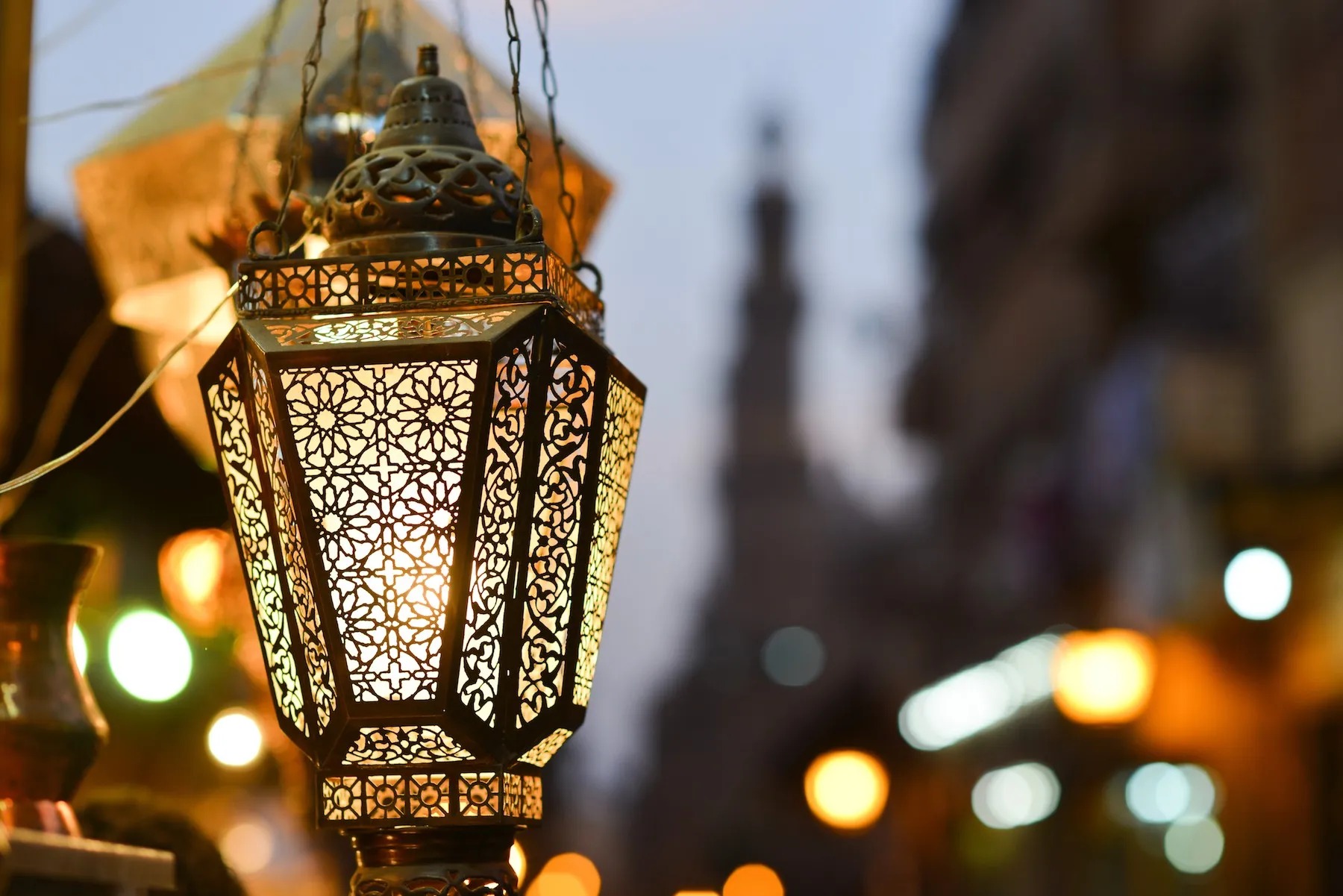
Ramadan lanterns, known as Fanous, which decorate streets, homes, and shops, creating a festive visual atmosphere that dates back to the Fatimid era and remains one of the most recognizable symbols of Ramadan in Egypt.
Communal Iftar tables set up in neighborhoods and near mosques, where free meals are offered to anyone passing by, highlighting the strong culture of charity and hospitality during the holy month.
The Mesaharaty, a traditional drummer who walks through residential areas before dawn to wake people for Suhoor, preserving a centuries-old custom that visitors rarely encounter outside Egypt.
These traditions turn Ramadan in Egypt into a living cultural experience rather than a purely religious observance.
Why Is Ramadan Food So Important in Egyptian Culture?
Food plays a central role in Ramadan in Egypt, as the daily Iftar meal is not only a moment to break the fast but also a key social event that brings families and friends together every evening.
The importance of food during Ramadan is reflected in:
The careful preparation of Iftar meals, which usually begin with dates and water, followed by soup and a variety of traditional Egyptian dishes that are often shared communally.
The seasonal nature of Ramadan cuisine, where specific dishes and desserts appear almost exclusively during this month, creating a sense of anticipation and celebration.
The social significance of eating together, as many Egyptians consider Ramadan dinners an opportunity to reconnect with relatives and strengthen social bonds.
For travelers, experiencing Ramadan food firsthand is one of the most memorable aspects of Ramadan in Egypt.
What Do Egyptians Eat for Iftar During Ramadan?
Iftar meals during Ramadan in Egypt are typically rich, diverse, and deeply connected to home-style cooking, offering visitors a genuine taste of Egyptian culinary traditions.
A traditional Egyptian Iftar often includes:
Dates and water to break the fast, following Islamic tradition, which helps restore energy after a long day without food or drink.
Warm soups such as lentil soup, which are easy on the stomach and widely consumed at the start of the meal.
Main dishes like molokhia, mahshi (stuffed vegetables), grilled meats, and rice-based meals, which reflect regional and family preferences.
Fresh bread and salads that accompany the main dishes and are shared among everyone at the table.
These meals showcase the comforting and communal nature of food during Ramadan in Egypt.
What Are the Most Popular Ramadan Desserts and Drinks in Egypt?
One of the highlights of Ramadan in Egypt is the appearance of desserts and drinks that are closely associated with the holy month and rarely consumed in the same quantity during the rest of the year.
Popular Ramadan desserts include:
Kunafa, a crispy pastry filled with cream or nuts and soaked in syrup, which becomes a staple dessert throughout Ramadan.
Qatayef, stuffed pancakes that are either fried or baked and filled with nuts or sweet cheese, making them a seasonal favorite.
Basbousa and zalabya, which are commonly served at family gatherings and Ramadan tents.
Traditional Ramadan drinks include:
Karkadeh (hibiscus), which is served cold and helps refresh the body after fasting.
Tamarind juice and Qamar El-Din, both of which are widely available during Ramadan evenings.
Sobia, a coconut-based drink that is especially popular in Cairo and Alexandria.
Trying these foods and drinks is an essential part of experiencing Ramadan in Egypt authentically.
What Is a Ramadan Iftar Cruise in Cairo?
A Ramadan Iftar Cruise in Cairo is one of the most popular tourist experiences during the holy month, offering visitors a comfortable and culturally immersive way to celebrate Iftar on the Nile.
This experience typically includes:
A full Iftar buffet served at sunset, featuring traditional Egyptian dishes prepared specifically for Ramadan.
A scenic cruise along the Nile River, allowing guests to enjoy panoramic views of Cairo’s skyline illuminated at night.
Live entertainment such as traditional music or folkloric performances, adding a cultural dimension to the evening.
For many travelers, a Ramadan Iftar cruise represents a perfect balance between tourism and tradition within Ramadan in Egypt.
Are Tourists Required to Fast During Ramadan in Egypt?
Tourists are not required to fast during Ramadan in Egypt, but cultural awareness and respectful behavior are strongly encouraged.
Visitors should keep in mind that:
Eating, drinking, or smoking in public during daylight hours is generally discouraged, especially in non-touristic areas.
Hotels and resorts continue to serve food throughout the day, ensuring comfort and convenience for travelers.
Showing respect for local customs is often met with warmth and appreciation from Egyptians.
This respectful approach helps visitors integrate smoothly into daily life during Ramadan in Egypt.
Is Egypt Safe to Visit During Ramadan?
Egypt remains safe for tourists during Ramadan in Egypt, with security measures operating as usual and a strong presence of tourist police in major destinations.
Additionally:
Evenings tend to feel particularly safe and family-oriented, as people gather in public spaces after Iftar.
Transportation services, including taxis and ride-hailing apps, operate normally throughout the day and night.
Hotels and tourist areas maintain high standards of safety and service during Ramadan.
These factors make traveling during Ramadan in Egypt comfortable for international visitors.
Is Ramadan a Good Time to Visit Egypt?
For many travelers, deciding whether Ramadan in Egypt is a good time to visit depends largely on expectations, travel style, and interest in cultural immersion rather than purely conventional sightseeing.
From an experiential perspective, Ramadan can be an excellent time to visit Egypt because:
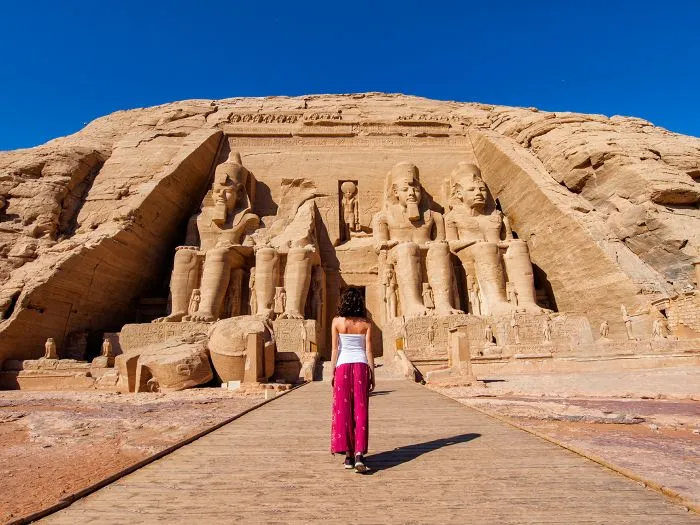
Tourist crowds are generally lower than during peak seasons, which allows visitors to explore major attractions such as the Pyramids of Giza, Luxor temples, and museums with greater comfort and fewer interruptions.
The cultural atmosphere is significantly richer, as Ramadan highlights community life, family traditions, and religious practices that are usually less visible to visitors at other times of the year.
Evenings become exceptionally vibrant, offering travelers the chance to experience night markets, Ramadan tents, and late-night dining that reflect the true social rhythm of Ramadan in Egypt.
However, travelers who prefer fast-paced itineraries or rely heavily on daytime dining outside hotels may need to adjust expectations, as daytime options are more limited during the holy month.
How Should Tourists Plan Sightseeing During Ramadan in Egypt?
Planning sightseeing activities carefully is essential for making the most of Ramadan in Egypt, as daily schedules differ noticeably from other times of the year.
Tourists are advised to structure their days in the following way:
Early mornings should be dedicated to outdoor attractions and archaeological sites, as temperatures are cooler, crowds are lighter, and energy levels—both for visitors and local staff—are higher.
Midday hours are best used for indoor activities such as museums, hotel relaxation, or guided tours that do not require prolonged exposure to heat or extensive walking.
Late afternoons and evenings should be reserved for cultural exploration, including local neighborhoods, markets, and food experiences that only truly come alive after Iftar.
This approach aligns naturally with the rhythm of Ramadan in Egypt and enhances both comfort and enjoyment.
Do Tourist Attractions and Museums Operate Normally During Ramadan?
One common concern among travelers is whether major attractions close during Ramadan in Egypt, but in reality, most sites remain open and accessible.
Visitors can expect that:
Famous archaeological sites, museums, and historical landmarks continue to operate, although opening hours may be slightly shorter than usual.
Guided tours are still available, with many tour operators adjusting schedules to start earlier in the day.
Staff at tourist sites are accustomed to welcoming international visitors during Ramadan and remain helpful and professional.
Checking official opening hours in advance is always recommended, but Ramadan rarely disrupts core sightseeing opportunities in Egypt.
What Are Ramadan Tents and Why Are They Important?
Ramadan tents, known locally as Khayam Ramadan, are a distinctive feature of Ramadan in Egypt, particularly in major cities like Cairo.
These tents are important because:
They serve as social gathering spaces where people meet to break their fast, enjoy traditional food, and spend time together late into the night.
Many Ramadan tents offer live music, cultural performances, or storytelling, making them popular among both locals and tourists.
High-end hotels often host luxury Ramadan tents, providing visitors with a comfortable and organized way to experience local traditions.
For tourists, visiting a Ramadan tent offers an immersive glimpse into the social life that defines Ramadan in Egypt.
Conclusion
Visiting Ramadan in Egypt is an opportunity to experience the country at its most authentic, where daily life slows down, social bonds become more visible, and cultural traditions take center stage in a way that few other travel periods can offer.
For travelers who value cultural depth, meaningful experiences, and a chance to see Egypt beyond typical tourist routines, Ramadan is not a limitation but rather a powerful enhancement that transforms the journey into something truly memorable.