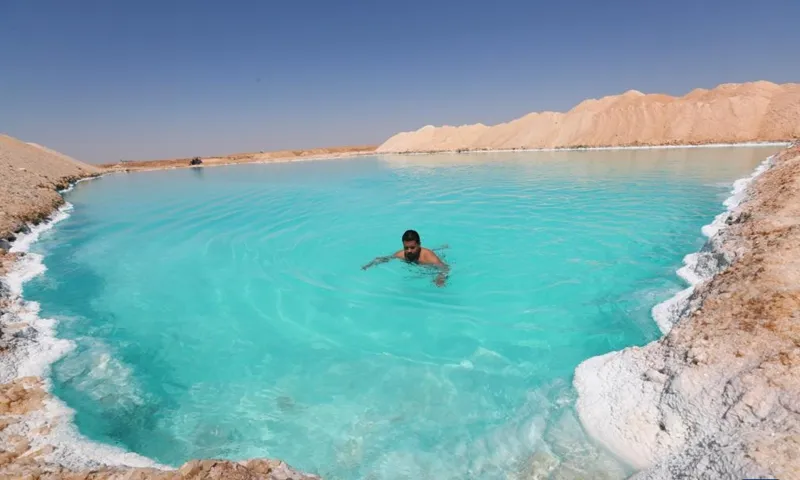
The salt lake egypt phenomenon, primarily located in the remote Siwa Oasis, represents one of the most mesmerizing natural wonders in the Western Desert, offering a unique combination of turquoise waters, crystalline white salt shores, and extraordinary buoyancy. These lakes have become a global attraction because they allow swimmers to float effortlessly due to extremely high salt concentrations, surpassing even the Dead Sea in some areas, while providing significant therapeutic benefits for skin and joint health in a pristine, eco-friendly environment.
What Makes salt lake egypt Different from Regular Lakes?
A salt lake egypt is distinguished by its hypersalinity, where the water is saturated with natural minerals and salts to a degree that prevents most aquatic life from surviving, resulting in incredibly clear, sterile, and vivid turquoise water.
Unlike regular freshwater lakes that support diverse ecosystems of fish and plants, these salt pans are geological formations where ancient seawater or mineral-rich springs have evaporated over millennia, leaving behind thick crusts of industrial-grade salt.
The high density of the water in a salt lake egypt creates a physical phenomenon where the human body becomes lighter than the displaced water, allowing for a “floating” experience that is impossible in standard recreational lakes.
Where Is the Most Famous salt lake egypt Located?
The most famous salt lake egypt is located within the Siwa Oasis, situated in the deep Western Desert of Egypt, approximately 560 kilometers from Cairo and about 300 kilometers south of the Mediterranean coast at Marsa Matruh.
While Egypt has several saline lagoons along its northern coast, the specific “salt lakes” that travelers seek for floating and photography are the salt mines of Siwa, where deep excavations have filled with crystalline spring water to create stunning azure pools.
These lakes are tucked away behind the Great Sand Sea, surrounded by millions of palm trees and olive groves, making the journey to find a salt lake egypt an adventure through one of the most isolated yet culturally rich inhabited areas in North Africa.
Quick Facts About salt lake egypt
High Salinity Levels: The salt concentration in a salt lake egypt can exceed 95%, making it impossible to sink.
Healing Properties: The water is rich in magnesium, calcium, and potassium, which are known to treat skin conditions like psoriasis and ease muscle tension.
Unique Color Palette: The contrast between the brilliant white salt crystals and the deep turquoise water makes it a premier destination for landscape photography.
Industrial Importance: These lakes are not just for tourism; they are active mines producing high-quality salt exported globally for de-icing and industrial uses.
Geological Origin: They are fed by underground springs that pass through ancient salt deposits formed millions of years ago when the Sahara was an ocean floor.
Why Travelers Search for salt lake egypt?
The surge in searches for salt lake egypt is driven by a shift toward Wellness Travel Intent, where tourists seek natural “open-air spas” that offer detoxifying experiences far from crowded urban centers.
Many travelers are motivated by Informational Intent, wanting to understand the science behind the “floating effect” and how it compares to the Dead Sea in Jordan, often finding that the Siwa lakes offer a more secluded and raw experience.
Furthermore, Travel Planning Intent is high because visiting a salt lake egypt requires specific logistical knowledge, including the best time of year to visit, how to navigate the desert terrain, and how to combine the visit with a broader cultural tour of Egypt.
The visual appeal of these lakes has also made them a viral sensation on social media, attracting photographers and influencers looking for the surreal “Antarctica in the Desert” aesthetic that only these salt crusts can provide.
What Are the Health Benefits of salt lake egypt?
The primary health benefits of a salt lake egypt include intense skin detoxification, the reduction of inflammation in joints and muscles, and the clearing of respiratory pathways through the inhalation of salt-rich desert air.
The high concentration of salt acts as a natural exfoliant, removing dead skin cells and promoting the healing of minor wounds and chronic skin ailments through its antiseptic properties.
Bathing in a salt lake egypt is often recommended for individuals suffering from stress or insomnia, as the high magnesium content is absorbed through the skin, helping to regulate the nervous system and induce deep relaxation.
Can You Swim or Float in salt lake egypt?
Yes, you can float effortlessly in a salt lake egypt, but traditional swimming is difficult because the high water density pushes your limbs toward the surface, making it nearly impossible to submerge your lower body.
The experience is more about reclining on the water’s surface than active swimming; the buoyancy is so strong that you can remain perfectly still while staying afloat, providing a sense of weightlessness that is both therapeutic and fun.
Visitors should be cautious not to get the water from a salt lake egypt in their eyes or mouth, as the extreme salinity can cause significant stinging and discomfort due to the concentrated mineral salts.
When Is the Best Time to Visit salt lake egypt?
The best time to visit a salt lake egypt is during the shoulder seasons of autumn (October to November) and spring (March to May), when the desert temperatures are mild and the sun is not overly intense.
While the lakes are accessible year-round, the winter months (December to February) can be quite cold for swimming, although the scenery remains breathtaking under the clear winter desert sky.
Visiting a salt lake egypt in the summer (June to August) is possible but requires careful planning to avoid the midday heat, which can often exceed 40°C, making early morning or sunset the only comfortable times for a dip.
How to Reach salt lake egypt from Cairo?
To reach the most famous salt lake egypt in Siwa from Cairo, travelers typically undertake a 10 to 12-hour drive via the Cairo-Alexandria Desert Road, heading toward Marsa Matruh before turning south into the heart of the Western Desert.
Public transport options include overnight buses from Cairo’s Torgoman Station, which offer a budget-friendly way to reach the oasis, though many international tourists prefer private transfers or organized desert tours for comfort.
Reaching a salt lake egypt also involves local navigation within the oasis, as the best salt pools are often located 15-20 kilometers from the town center, requiring a 4×4 vehicle or a local tuk-tuk to navigate the salt-crusted tracks.
Is salt lake egypt Safe for Families and Tourists?
A visit to a salt lake egypt is generally very safe for families and solo travelers, provided they follow basic safety precautions regarding sun exposure, hydration, and skin care after exiting the salty water.
The water is sterile due to its high salt content, meaning there are no bacteria or parasites to worry about, making it one of the cleanest natural swimming environments in the world.
For families with children, a salt lake egypt offers a fascinating educational experience, though parents must ensure children do not splash the water into their eyes and that they rinse off with fresh water immediately after their float.
Travel Tips Before Visiting salt lake egypt
Bring Fresh Water: Always carry several liters of fresh water to rinse your skin and hair immediately after exiting the lake to prevent salt crystals from causing itchiness.
Wear Old Swimwear: The high salt concentration in a salt lake egypt can be harsh on fabrics and may stiffen or discolor expensive swimsuits; choose something you don’t mind potentially ruining.
Protect Your Feet: The salt crusts around the edges of the lake can be extremely sharp; wearing waterproof sandals or water shoes is essential to avoid cuts.
Timing is Key: Aim to visit the salt lake egypt during “golden hour” (just before sunset) to capture the most stunning reflections and avoid the harshest ultraviolet rays.
Don’t Shave: Avoid shaving your legs or face at least 24 hours before your visit, as the salt will cause an intense burning sensation on any micro-cuts or sensitive skin.
How Can Desert Cruise Travel Help You Plan Your Trip to salt lake egypt?
Planning a trip to a remote salt lake egypt can be logistically challenging, but Desert Cruise Travel specializes in creating seamless, high-end desert expeditions that handle every detail from transportation to local expertise.
Desert Cruise Travel helps you plan your journey by:
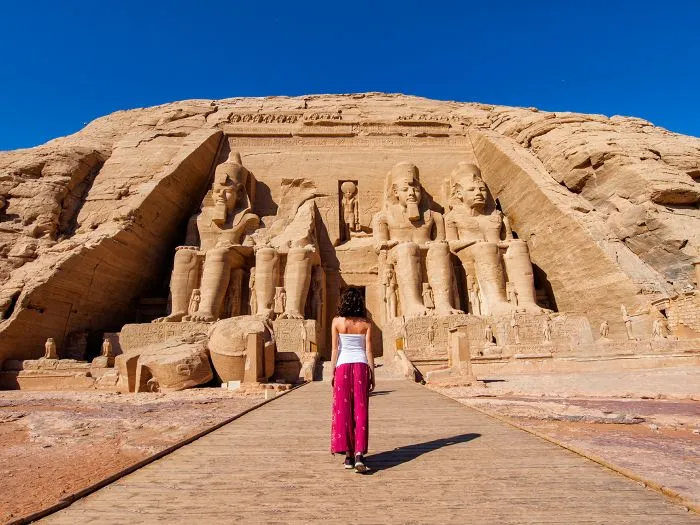
Organizing integrated tourism programs that combine the salt lakes with visits to the Temple of the Oracle, Cleopatra’s Bath, and the Shali Fortress.
Coordinating luxury or standard transportation directly from Cairo or Marsa Matruh, ensuring a safe and comfortable desert transit.
Providing expert local guides who know the exact locations of the most pristine and secluded salt pools, away from the typical tourist crowds.
Arranging professional photography sessions and identifying the best times for floating based on seasonal water levels and light conditions.
Designing family-friendly itineraries that prioritize safety, comfort, and authentic Siwan hospitality, making the rugged desert accessible to everyone.
By partnering with Desert Cruise Travel, your visit to a salt lake egypt becomes a hassle-free immersion into one of the most exotic landscapes on Earth.
Comparison: Siwa Salt Lakes vs. Other Saline Bodies
| Feature | Siwa Salt Lake (Egypt) | The Dead Sea (Jordan/Israel) | Qarun Lake (Fayoum, Egypt) |
| Salinity Level | Extremely High (Up to 95% in pools) | Very High (Approx. 34%) | Moderate to High |
| Color | Bright Turquoise / Azure | Deep Blue / Green | Dark Blue / Brown |
| Landscape | White Salt Crystals / Desert | Rocky Cliffs / Mud | Desert / Agricultural |
| Crowd Level | Low / Secluded | High / Commercialized | Moderate |
| Primary Use | Wellness / Salt Mining | Medical Tourism / Spas | Fishing / Sightseeing |
Conclusion
Visiting a salt lake egypt is absolutely worth it for any traveler seeking a surreal, once-in-a-lifetime experience that combines natural beauty with profound physical wellness. The ability to float in turquoise waters surrounded by a desert landscape of pure white salt is an experience that rivals any luxury spa in the world.