When is Sham el-Nessim holiday 2026? The official holiday falls on Monday, April 13, 2026.
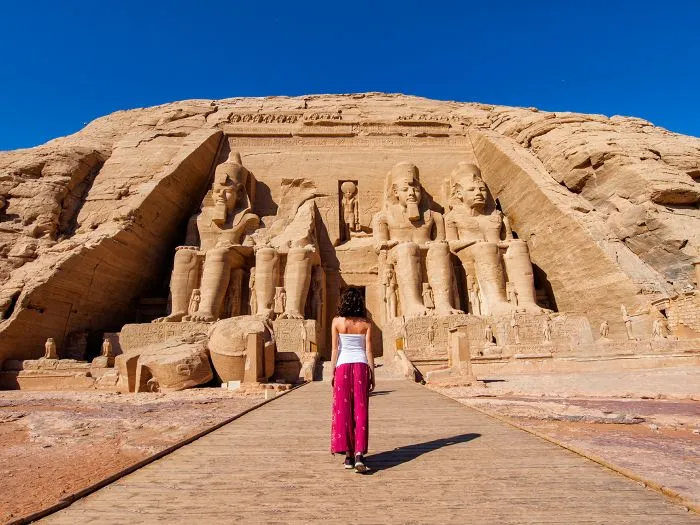
As the breeze begins to carry the scent of blooming jasmine and the Mediterranean sun warms the streets of Alexandria and Cairo, Egypt prepares for its oldest and most cherished secular festival. Sham el-Nessim is more than just a day off; it is a 4,700-year-old thread that connects modern Egyptians to their Pharaonic ancestors.
In this master guide, we will explore the deep historical roots of the “Shemu” festival, provide a safe culinary roadmap for the infamous Feseekh, and offer practical DIY tips for celebrating the spirit of rebirth at home.
How Did the Ancient 'Shemu' Become Our Modern Holiday?
To understand the Sham el-Nessim holiday, one must look toward the stars and the soil of Ancient Egypt.
The Pharaonic Origins: The Season of Shemu
Dating back to at least 2700 BCE (the Third Dynasty of the Old Kingdom), the festival was originally known as Shemu. In the ancient Egyptian calendar, the year was divided into three seasons based on the Nile’s cycle: Akhet (Inundation), Peret (Emergence/Sowing), and Shemu (Harvest/Low Water).
Shemu represented the “Renewal of Life.” It was the moment when the harvest began, and the earth was at its most generous. Ancient Egyptians believed that this day marked the very beginning of world creation.
The Legend of Ra and the Great Pyramid
According to ancient folklore, on the day of the spring equinox, the Sun God Ra would sail his solar barque across the sky and anchor directly atop the Great Pyramid of Giza. This celestial alignment symbolized the triumph of light over darkness and life over death. Even today, the holiday remains fixed to the solar cycle, occurring the day after Coptic Orthodox Easter.
The Etymological Evolution
How did “Shemu” become “Sham el-Nessim”?
Shemu: Ancient Egyptian for “Harvest” or “Renewal.”
Sham el-Nessim: Arabic for “Smelling the Breeze.”
As Egypt moved through the Coptic and Islamic eras, the name evolved through a “phono-semantic” match. The sounds of the ancient word were preserved, but the meaning shifted slightly to reflect the modern tradition of heading outdoors to “smell the breeze” of spring.
When is Sham el-Nessim holiday 2026?
Because Sham el-Nessim holiday is tied to the Coptic Easter Sunday (which follows the Julian calendar and a specific lunar calculation), the date changes every year.
Sham el-Nessim 2026 Date: Monday, April 13.
Is it a public holiday? Yes. All government offices, banks, and most private businesses in Egypt will be closed.
Who celebrates it? Unlike Eid or Christmas, this is a secular national holiday. It is celebrated equally by Muslims and Christians, making it a powerful symbol of Egyptian national unity.
How Can You Prepare the 'Breeze Menu' Safely?
Food is the heart of this holiday. However, the centerpiece—Feseekh—is perhaps the most controversial dish in the world.
The Semantic Fish Trio: Feseekh vs. Renga vs. Melouha
Many visitors (and even locals) confuse these three. If you are writing content for a global audience, clarity here is key:
| Fish Type | Preparation | Flavor Profile |
| Feseekh | Grey Mullet, fermented in salt for months. | Pungent, sharp, creamy texture. |
| Renga | Smoked Herring. | Salty, smoky, firm texture. |
| Melouha | Salted Sardines or small Mullet. | Intensely salty, similar to anchovies. |
The Feseekh Safety Checklist
Every year, the Egyptian Ministry of Health issues warnings about botulism. To rank for “Safe Feseekh,” your content must provide actionable advice:
The Source: Never buy from street vendors. Only buy from a licensed Fasakhani (a specialist fishmonger).
The Texture: The fish should be firm, not “mushy.”
The Color: The meat should be a healthy pink/red. Avoid fish with grayish or blackened meat.
The Smell: It should have a strong fermented smell, but it should not smell like “rotting” meat.
The Prep: Soak your fish in lemon juice and oil for at least 4 hours before eating. The acidity helps neutralize some bacteria and dilutes the salt.
The Symbolic Greens
Green Onions: Ancient Egyptians believed onions warded off the “Evil Eye” and cured diseases.
Romaine Lettuce: Dedicated to Min, the god of fertility.
Lupini Beans (Termis): A snack that “keeps you entertained” while sitting in the park.
What Are the Best DIY Rituals to Bring the Spirit Home?
If you can’t make it to a park, you can still celebrate the “Renewal of Life” at home.
The Art of Natural Egg Dyeing
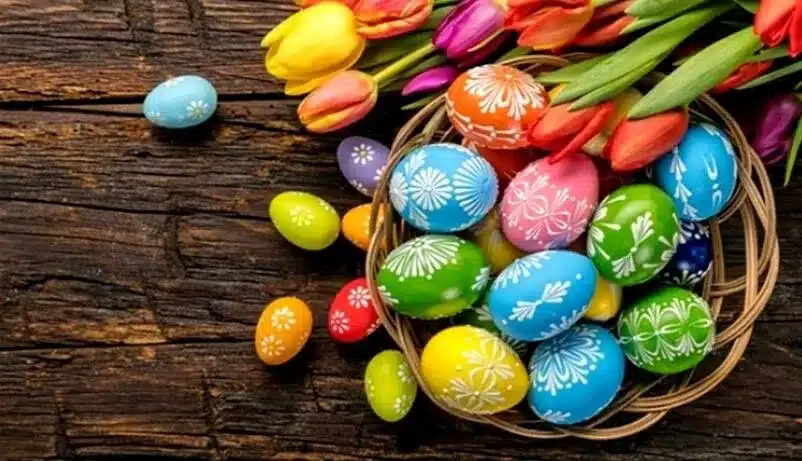
Eggs represent the “Mundane Egg”—the source of all life in Pharaonic mythology. Instead of artificial dyes, use the “Grandmother’s Method” which is safer and more vibrant:
Deep Red: Boil eggs with Hibiscus (Karkadeh) flowers.
Golden Yellow: Use two tablespoons of Turmeric.
Rich Brown: Boil eggs with the dry outer skins of Red Onions.
Soft Green: Use a bunch of Parsley or Spinach.
The Wish Egg Tradition: Before the eggs are eaten, it was tradition to write a secret wish on the shell. Ancient Egyptians would hang these eggs in baskets from trees, believing the gods would see the wishes as the sun rose.
Where Should You Go to Find the Best Picnic Spots?
In 2026, the weather in mid-April is expected to be perfect—ranging from 22°C to 28°C. Here is where to “Smell the Breeze”:
Cairo & Giza: The Classic Route
The Giza Zoo: The most traditional spot for families. It’s crowded, loud, and full of life.
Al-Azhar Park: For those who want a more “premium” picnic with a view of the Citadel.
The Orman Botanical Garden: Perfect for seeing the spring flowers in full bloom.
The Coastal Escape: Alexandria & Sokhna
Many Cairenes flee to the coast.
Alexandria: The Montaza Gardens offer the perfect mix of sea breeze and greenery.
Ain Sokhna: Just 90 minutes from Cairo, many hotels offer “Day Use” packages specifically for Sham el-Nessim, including a Feseekh buffet.
The Nile Experience
Rent a Felucca (traditional wooden sailboat) for an hour at sunset. It is the quietest way to enjoy the holiday, away from the park crowds, while staying true to the “water” element of the ancient festival.
Conclusion
As you celebrate Sham el-Nessim holiday 2026, remember that you are participating in a ritual that has survived empires, religions, and millennia. Whether you are coloring eggs with your children, brave enough to try your first bite of Feseekh, or simply sitting by the Nile “smelling the breeze,” you are part of the living history of Egypt.
Happy Sham el-Nessim holiday to all!