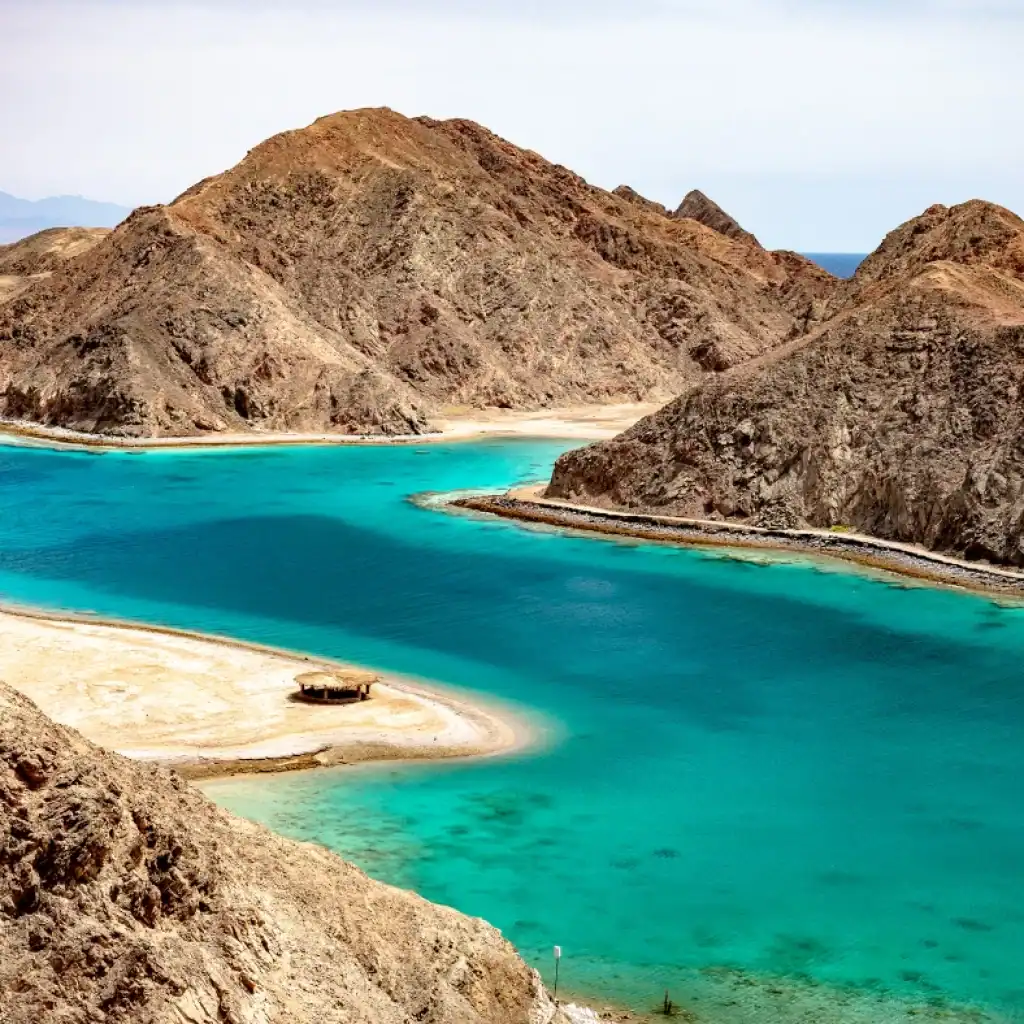
The Sinai Peninsula Egypt is one of the country’s most fascinating and diverse regions. Stretching between Africa and Asia, bordered by the Mediterranean Sea to the north and the Red Sea to the south, Sinai combines dramatic desert mountains, turquoise coastlines, ancient monasteries, and world-class diving sites in one extraordinary destination.
Whether you are planning a hiking adventure to Mount Sinai, exploring the spiritual legacy of Saint Catherine’s Monastery, relaxing on the beaches of Dahab, or diving in Ras Mohammed National Park, this complete guide will help you understand why Sinai Peninsula Egypt remains one of the most compelling travel experiences in the Middle East.
Where Is the Sinai Peninsula Egypt Located?
The Sinai Peninsula Egypt is located in the northeastern part of the country, forming a land bridge between the African and Asian continents. Geographically, it sits between:
The Mediterranean Sea (north)
The Gulf of Suez (west)
The Gulf of Aqaba (east)
The Red Sea (south)
This unique positioning makes Sinai Peninsula Egypt the only part of Egypt that lies geographically in Asia, giving it both continental and strategic importance.
South Sinai vs North Sinai
Sinai Peninsula Egypt is divided into two governorates:
South Sinai – Known for tourism, beaches, mountains, and diving resorts such as Sharm El Sheikh and Dahab.
North Sinai – Less visited, more traditional, and geographically flatter, bordering the Mediterranean Sea.
For most travelers, South Sinai Egypt is the primary tourism hub.
Why Is the Sinai Peninsula Egypt Important?
The importance of Sinai Peninsula Egypt extends far beyond tourism. Its value is geographic, historical, religious, and economic.
Strategic Importance
Because Sinai Peninsula Egypt connects Africa and Asia, it has historically been a crossroads for trade routes, military campaigns, and cultural exchange. Ancient Egyptians mined turquoise and copper here, and empires from the Ottomans to modern states have recognized its strategic value.
Religious Significance
Sinai Peninsula Egypt holds profound religious meaning for Judaism, Christianity, and Islam. According to tradition, Moses received the Ten Commandments on Mount Sinai, making the region one of the most spiritually significant landscapes in the world.
Saint Catherine’s Monastery, located at the foot of Mount Sinai, is one of the oldest continuously functioning Christian monasteries globally and is recognized as a UNESCO World Heritage Site.
Tourism and Economic Role
Today, Sinai Peninsula Egypt plays a crucial role in Egypt’s tourism economy, attracting visitors from around the world for a diverse range of experiences that combine nature, spirituality, and adventure:
Red Sea diving, where travelers explore some of the world’s most vibrant coral reef ecosystems, encounter exceptional marine biodiversity, and enjoy year-round underwater visibility that makes Sinai Peninsula Egypt one of the top global diving destinations.
Beach resorts, particularly along the southern coastline, where visitors experience luxury accommodation, private beaches, wellness retreats, and water sports activities that contribute significantly to the region’s hospitality and service sector growth.
Desert trekking, which offers adventurous travelers the opportunity to hike through dramatic mountain landscapes, explore canyons and wadis, and engage with Bedouin guides who provide authentic cultural insight while promoting sustainable desert tourism.
Religious pilgrimage, as thousands of visitors journey annually to Mount Sinai and Saint Catherine’s Monastery to connect with the region’s deep spiritual heritage, reinforcing Sinai Peninsula Egypt’s position as one of the most historically and religiously significant destinations in the Middle East.
Cultural tourism
History of Sinai Peninsula Egypt
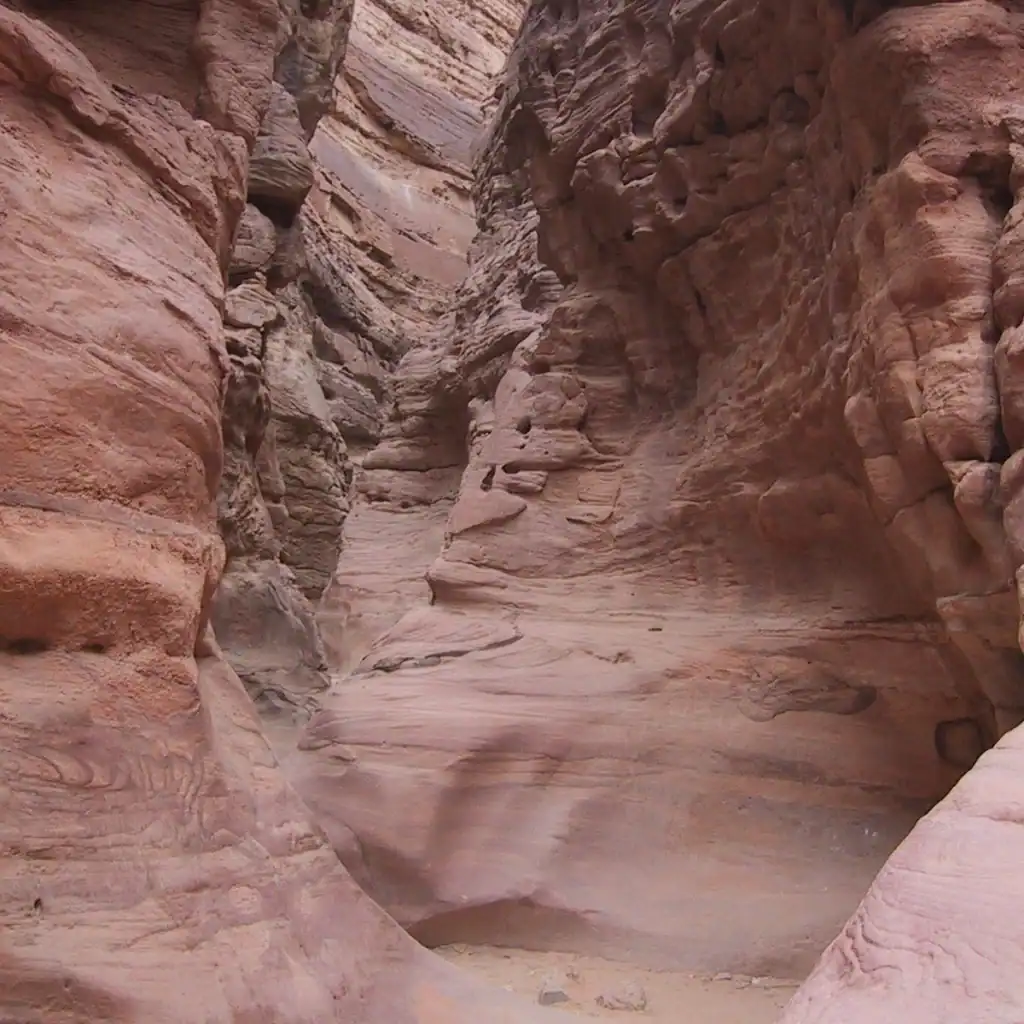
The history of Sinai Peninsula Egypt spans thousands of years, reflecting its strategic location between Africa and Asia and its deep spiritual and cultural legacy. From ancient mining expeditions to modern tourism development, the region has consistently played a significant role in regional and global history.
Ancient Egyptian Era
During the Pharaonic period, Sinai Peninsula Egypt was highly valued for its natural resources, particularly turquoise and copper, which were extracted through organized mining expeditions led by ancient Egyptian rulers. Inscriptions and archaeological remains discovered in the region indicate the presence of administrative centers, workers’ settlements, and fortified stations that supported long-term mining operations. Additionally, major trade routes passed through Sinai Peninsula Egypt, linking the Nile Valley with the Levant and facilitating commercial and cultural exchange between Africa and Asia.
Biblical and Religious Era
Sinai Peninsula Egypt gained international recognition due to its profound religious significance. Mount Sinai became associated with divine revelation in the Abrahamic traditions, symbolizing one of the most important spiritual events in religious history. At the foot of the mountain stands Saint Catherine’s Monastery, established in the 6th century CE during the Byzantine era. The monastery remains one of the oldest continuously functioning Christian monasteries in the world and houses invaluable manuscripts and religious artifacts that further highlight the sacred status of Sinai Peninsula Egypt.
Islamic and Ottoman Period
During the Islamic era, Sinai Peninsula Egypt became an essential transit route for pilgrims traveling from North Africa to the Arabian Peninsula on their journey to Mecca. To support these religious caravans, rulers developed fortified stations, wells, and organized caravan routes that enhanced safety and logistical coordination across the desert. Under Ottoman administration, these routes continued to function as vital corridors connecting Egypt to the broader Islamic world, reinforcing Sinai Peninsula Egypt’s role as a bridge between continents and civilizations.
Modern Period
In the 20th century, Sinai Peninsula Egypt assumed a central position in regional geopolitics due to its strategic location and proximity to international waterways. Following periods of military conflict, the peninsula was fully restored to Egyptian sovereignty in 1982, marking a decisive turning point in its contemporary development. Since then, significant investment in infrastructure, tourism facilities, and environmental conservation has transformed South Sinai into a thriving travel destination.
Top Places to Visit in Sinai Peninsula Egypt
1. Mount Sinai – Sunrise Hiking Experience
Mount Sinai is widely considered the spiritual heart of Sinai Peninsula Egypt, attracting travelers who seek both adventure and reflection. Most visitors begin their ascent during the night, guided by local Bedouins, to reach the summit just before dawn and witness one of the most breathtaking sunrises in the Middle East.
Why visit Mount Sinai?
The opportunity to witness spectacular panoramic desert views from the summit, where layers of rugged mountains glow in shades of gold and amber as the sun rises over Sinai Peninsula Egypt.
A uniquely spiritual atmosphere shaped by centuries of religious tradition, offering a sense of tranquility and reflection rarely found in other destinations.
A moderately challenging trekking route that is accessible to most visitors with reasonable fitness levels, making it both achievable and rewarding.
Deep historical and religious significance that connects travelers to one of the most meaningful sacred landscapes in the world.
The sunrise hike remains one of the most unforgettable and emotionally powerful experiences in Sinai Peninsula Egypt.
2. Saint Catherine’s Monastery – UNESCO Heritage Site
Located at the foot of Mount Sinai, Saint Catherine’s Monastery is one of the oldest continuously functioning Christian monasteries in the world and a cornerstone of religious tourism in Sinai Peninsula Egypt.
Visitors appreciate:
The remarkable Byzantine architecture that has been preserved for centuries, reflecting the monastery’s enduring historical importance.
A priceless collection of historic manuscripts and ancient icons, including some of the earliest Christian texts known to scholars.
A profound spiritual heritage that continues to attract pilgrims from around the globe seeking connection and contemplation.
Immense cultural significance, as the monastery represents a meeting point of Christian, Islamic, and regional traditions within Sinai Peninsula Egypt.
This sacred site reinforces the peninsula’s role as a major pilgrimage and heritage destination.
3. Ras Mohammed National Park – Marine Paradise
Ras Mohammed National Park is internationally recognized as one of the world’s premier diving and snorkeling destinations, showcasing the extraordinary marine ecosystems of Sinai Peninsula Egypt.
Highlights include:
Extensive coral reef ecosystems that are among the healthiest and most vibrant in the Red Sea region.
Exceptional marine biodiversity, including colorful reef fish, sea turtles, and occasionally larger pelagic species.
Crystal-clear waters with outstanding visibility that allow divers and snorkelers to fully appreciate the underwater landscape.
Professionally organized snorkeling and diving excursions that cater to beginners and experienced divers alike.
For underwater enthusiasts, Sinai Peninsula Egypt offers marine biodiversity that competes with the best diving destinations worldwide.
4. Dahab – Relaxed Coastal Escape
Dahab is known for its relaxed atmosphere, bohemian spirit, and strong diving culture, making it one of the most beloved coastal towns in Sinai Peninsula Egypt.
Top activities in Dahab include:
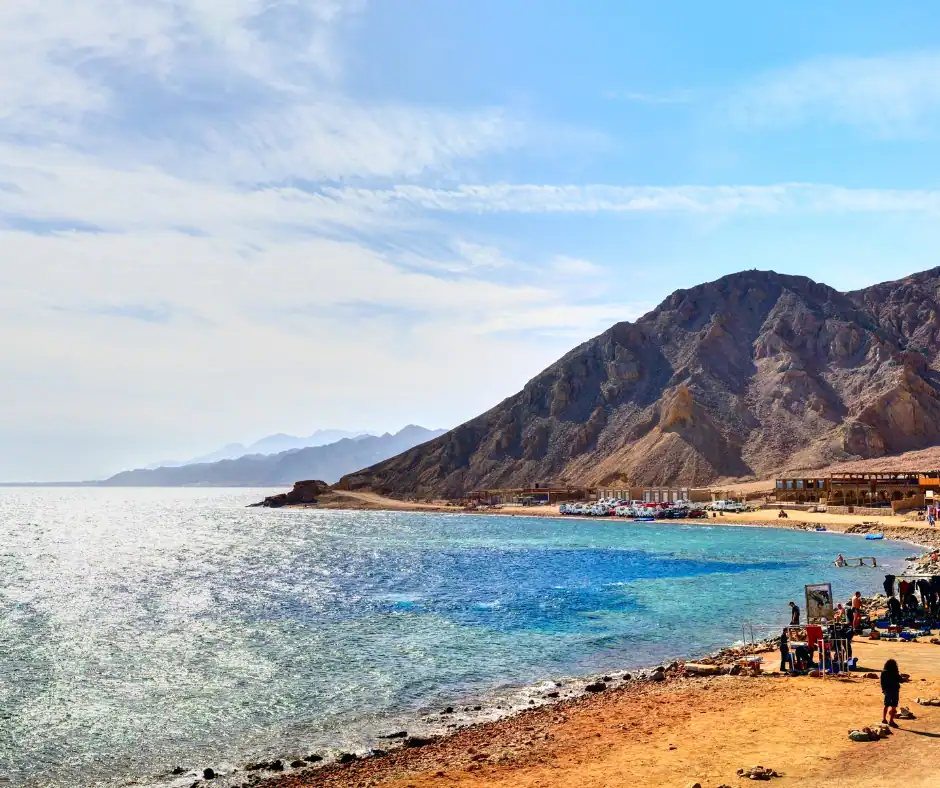
Exploring the famous Blue Hole diving site, which attracts experienced divers seeking one of the most iconic underwater locations in the Red Sea.
Enjoying beachfront cafés and seaside promenades that offer a laid-back alternative to larger resort destinations.
Participating in desert excursions to nearby canyons and mountain valleys, often guided by local Bedouin communities.
Engaging in water sports such as kitesurfing and windsurfing, supported by favorable wind conditions throughout much of the year.
Dahab offers a slower, more intimate pace compared to larger resort cities, making it ideal for independent travelers.
5. Sharm El Sheikh – Luxury Red Sea Destination
Sharm El Sheikh is the most developed tourism hub in Sinai Peninsula Egypt, known for its upscale resorts, modern infrastructure, and international accessibility.
Why travelers choose Sharm El Sheikh:
A wide range of luxury resorts and all-inclusive hotels that cater to families, couples, and high-end travelers seeking comfort and convenience.
Direct international airport access, making it one of the easiest entry points to Sinai Peninsula Egypt.
Well-organized diving and snorkeling tours that allow visitors to explore nearby coral reefs safely and efficiently.
Vibrant nightlife, restaurants, and entertainment options that appeal to travelers looking for both relaxation and activity.
Sharm El Sheikh is particularly suitable for families, package tourists, and travelers seeking a seamless beach holiday experience within Sinai Peninsula Egypt.
Best Things to Do in Sinai Peninsula Egypt
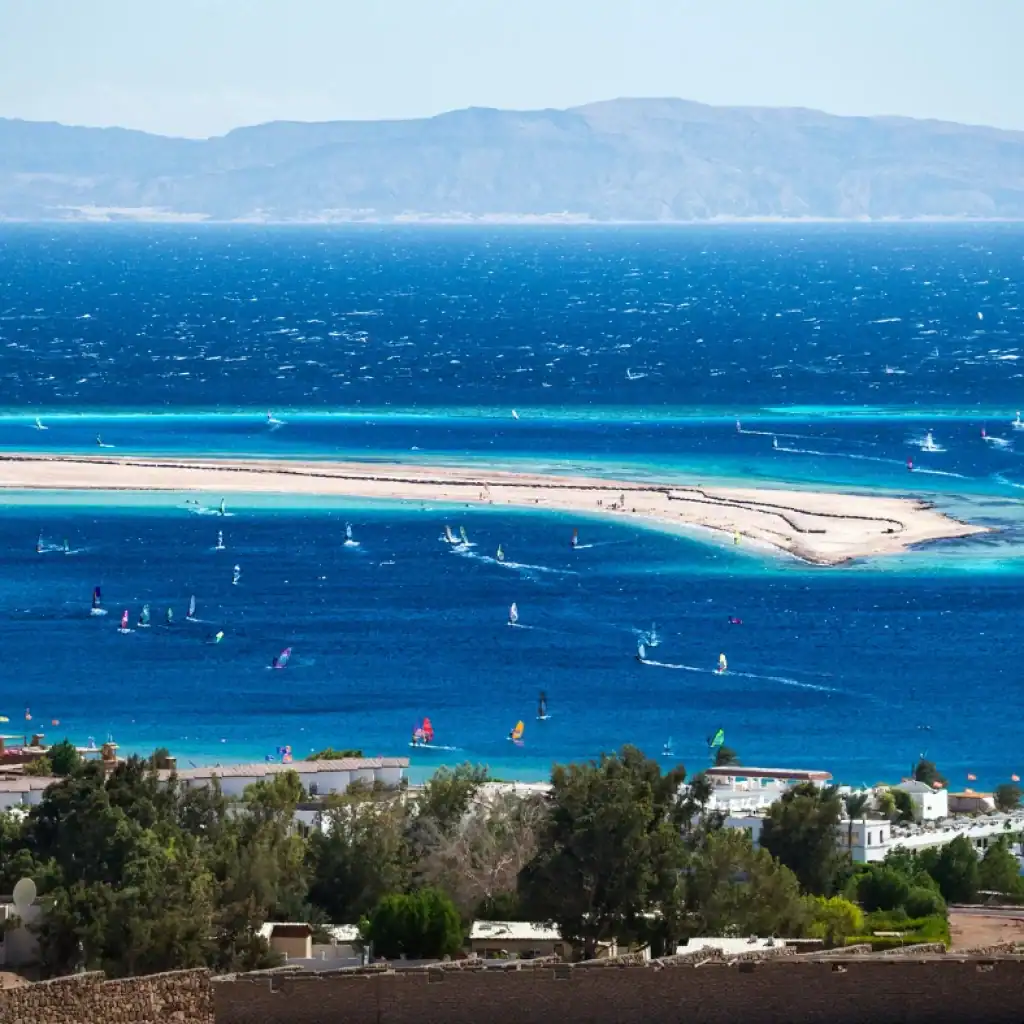
Sinai Peninsula Egypt offers a wide range of experiences that combine adventure, nature, culture, and relaxation, making it one of the most diverse travel destinations in the region.
Hiking and Trekking
For outdoor enthusiasts, Sinai Peninsula Egypt provides dramatic mountain scenery and rewarding desert trails.
Mount Sinai sunrise hike, where travelers ascend during the early hours of the night to witness a breathtaking sunrise from the summit, surrounded by panoramic views of rugged peaks and vast desert landscapes that define the region’s natural beauty.
Colored Canyon exploration, an unforgettable journey through narrow sandstone formations carved by wind and water over centuries, offering unique geological patterns and vibrant rock layers that attract photographers and adventure seekers alike.
High Mountain trekking routes, which allow experienced hikers to explore lesser-known trails in the Sinai highlands, often guided by local Bedouins who share cultural insights and traditional knowledge about the terrain and desert environment.
Scuba Diving and Snorkeling
The Red Sea coastline of Sinai Peninsula Egypt is internationally recognized for its underwater ecosystems and diving opportunities.
Extensive coral reef systems, considered among the healthiest in the world, offering vibrant underwater landscapes filled with colorful coral formations and thriving marine habitats.
Historic shipwreck dive sites, which provide experienced divers with the chance to explore submerged vessels surrounded by marine life, creating both historical intrigue and underwater adventure.
Exceptional marine biodiversity, including reef fish, sea turtles, rays, and seasonal pelagic species, making Sinai Peninsula Egypt a year-round destination for both beginner and advanced divers.
Desert Safari Adventures
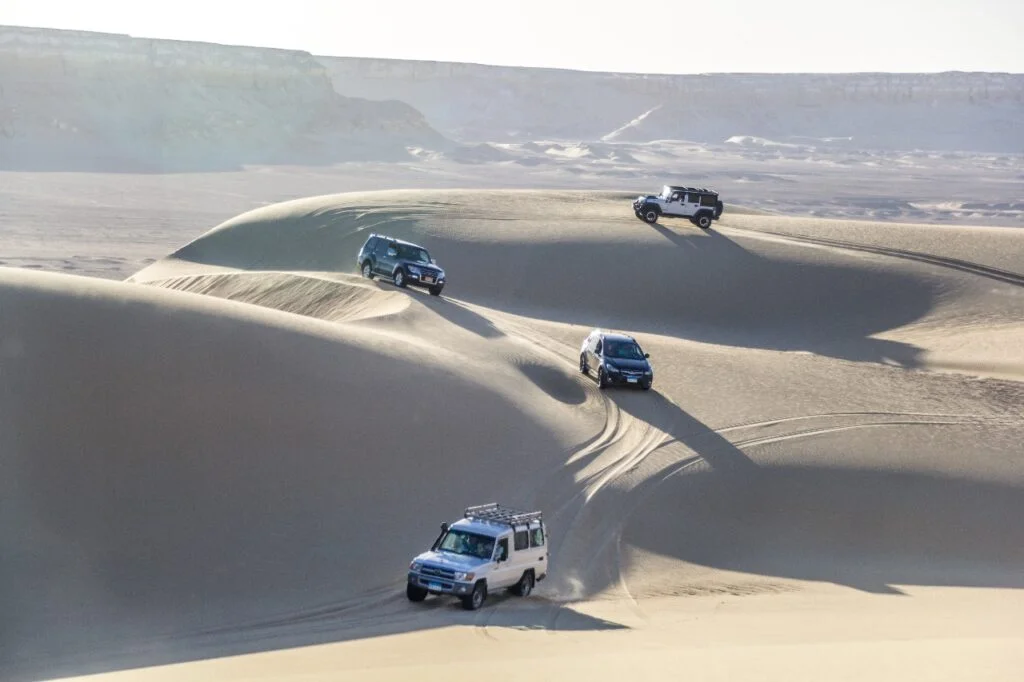
Desert safaris in Sinai Peninsula Egypt provide an immersive experience into the region’s dramatic landscapes and cultural heritage. Visitors can explore expansive valleys and mountainous terrain by jeep or camel, stop at traditional Bedouin camps for tea and conversation, and witness stunning desert sunsets that highlight the raw beauty of the peninsula.
Beach Camping and Stargazing
The remote beaches and quiet desert surroundings of Sinai Peninsula Egypt create ideal conditions for beach camping and night sky observation. With minimal light pollution and vast open horizons, the region offers exceptional stargazing opportunities, making it perfect for travelers seeking tranquility, reflection, and memorable night photography experiences
Is Sinai Peninsula Egypt Safe for Tourists?
Safety is one of the most frequently asked questions about Sinai Peninsula Egypt, and understandably so. Travelers want clear, realistic information before planning their visit, especially when exploring destinations with complex historical backgrounds.
Current Safety Situation
At present, the primary tourism areas in South Sinai—including Sharm El Sheikh, Dahab, and the area surrounding Saint Catherine’s Monastery—are considered controlled and well-secured tourism zones. These locations benefit from:
Structured security systems designed specifically to protect visitors and tourism infrastructure.
Regular monitoring and coordination between local authorities and tourism operators.
Established resort environments that operate under regulated hospitality standards.
As a result, most international visitors travel to South Sinai each year without incident, particularly when staying within recognized tourism centers and organized routes.
Important Considerations for Travelers
While South Sinai Egypt remains one of the country’s most popular coastal tourism regions, responsible travel planning is always essential. Visitors are advised to:
Follow official travel advisories issued by their home country before departure and monitor updates during their stay.
Use licensed tour operators and registered transportation providers to ensure compliance with local safety standards.
Respect local customs, dress codes, and community norms, particularly when visiting religious sites or rural areas.
Best Time to Visit Sinai Peninsula Egypt
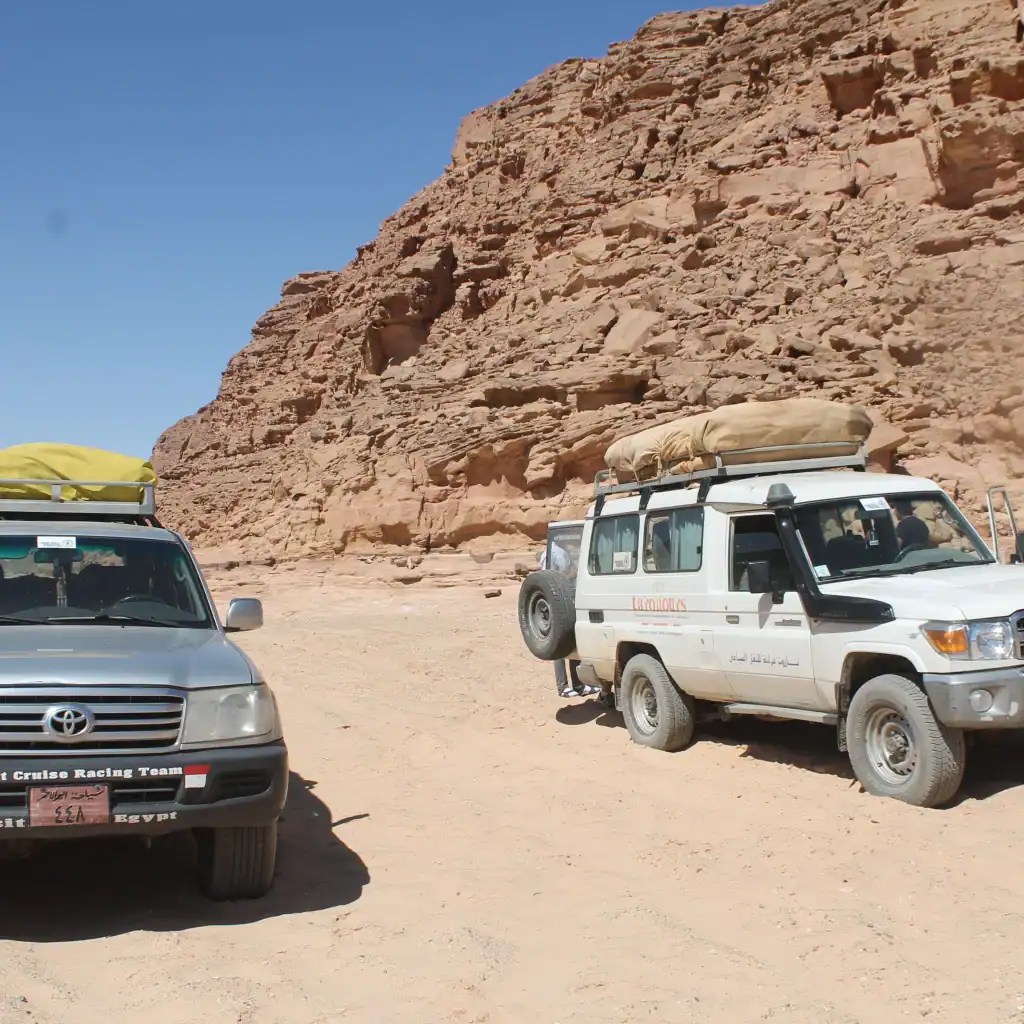
Climate is a key factor to consider when planning a trip to Sinai Peninsula Egypt, as temperatures and seasonal conditions directly affect outdoor activities, hiking, and coastal exploration.
October to April – Ideal Season
During this period, visitors enjoy mild daytime temperatures and cooler nights, making outdoor exploration comfortable across the peninsula. Key advantages include:
Comfortable hiking conditions, particularly for early morning or sunrise treks to Mount Sinai, allowing hikers to enjoy the desert without extreme heat.
Pleasant diving weather, as the Red Sea remains warm and clear, providing excellent visibility for snorkeling and scuba diving adventures.
Moderate daytime temperatures across desert valleys and coastal towns, creating an ideal environment for sightseeing, camping, and cultural excursions.
May to September – Hot Season
The summer months in Sinai Peninsula Egypt bring very high daytime temperatures, particularly in inland desert areas, which can make extended outdoor activities challenging. Key considerations include:
Best suited for coastal stays along Sharm El Sheikh, Dahab, or Nuweiba, where sea breezes provide some relief from the heat.
Outdoor activities such as hiking or desert exploration should be scheduled in the early morning or late afternoon to avoid extreme midday temperatures.
Overall, the cooler months from October to April are recommended for trekking, hiking, and extended exploration of Sinai Peninsula Egypt, while summer is suitable primarily for beach and water-based activities.
Explore Sinai with Desert Cruise Travel
Whether you’re seeking spiritual renewal, desert adventure, or coastal relaxation, Desert Cruise Travel offers tailored Sinai experiences. From guided hikes to personalized yoga retreats or cultural desert tours—we handle everything for a safe, memorable trip.
✅ Private transportation
✅ Certified guides
✅ Custom tour packages
✅ Available in Cairo, Dahab, Sharm & St. Catherine
Conclusion
The Sinai Peninsula is more than a place. it’s a bridge between earth and spirit, tradition and adventure. Rich in history, blessed by nature, and warmed by the hospitality of its people, Sinai invites you to pause, explore, and reconnect.
Book your Sinai adventure with Desert Cruise Travel and let us guide you into one of Egypt’s most sacred and stunning landscapes.