The Middle Kingdom of Ancient Egypt (2055–1650 BC) marks a golden renaissance of stability, art, and literature following centuries of chaos. Emerging from the ashes of the First Intermediate Period, pharaohs like Mentuhotep II reunified the Nile Valley, ushering in an era of prosperity centered at Thebes and later Itjtawy. This pivotal age produced iconic treasures like the White Chapel of Senusret I and exquisite jewelry from Dahshur—testaments to refined craftsmanship and renewed imperial ambition.
Discover the Middle Kingdom’s enduring legacy through our exclusive Desert Cruise Travel packages, sailing the Nile to unlock hidden wonders!
Primary Facts on the Middle Kingdom
The Middle Kingdom of Ancient Egypt spanned 2055–1650 BC across Dynasties 11–14. It represented a cultural and political revival after division. Capital shifted from Thebes to Itjtawy near Lisht.
Capital: Thebes (early), then Itjtawy (near Faiyum)
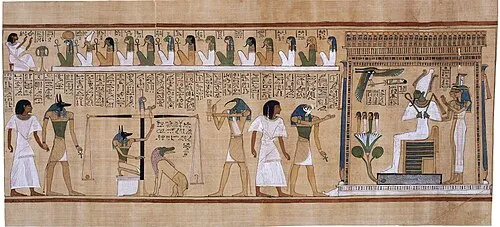
Religion: Ancient Egyptian polytheism, rise of Osiris cult
Population: Estimated 2–2.5 million
Government: Pharaonic monarchy with strong viziers
Languages: Middle Egyptian (peak literary form) [ from prior]
Key achievements included pyramid building at Lisht/Dahshur, irrigation expansions in Faiyum, and literature like the “Story of Sinuhe.” Pharaohs like Senusret III fortified borders against Nubians and Asiati
What Defines The Middle Kingdom of Ancient Egypt Period?
The Middle Kingdom (2055–1650 BC, Dynasties 11–14) emerged as Egypt’s classical renaissance after the First Intermediate Period’s chaos. Pharaoh Mentuhotep II reunified the land from Thebes, restoring centralized power through bureaucracy and vizier oversight. This era emphasized domestic prosperity over conquest.
Key hallmarks include Faiyum irrigation projects boosting agriculture, defensive forts along Nubian borders (Buhen, Semna), and realistic art portraying pharaohs as human rulers rather than distant gods. Literature flourished with works like “The Story of Sinuhe,” while Osiris worship rose, reflecting personal piety.
Cultural Achievements in the Middle Kingdom
The Middle Kingdom (2055–1650 BC) marked Egypt’s cultural renaissance with realistic portraiture showing pharaohs’ human traits, unlike Old Kingdom idealism. Literature peaked through masterpieces like “The Story of Sinuhe,” exploring exile and loyalty, and wisdom texts such as “The Instructions of Amenemhat.” Osiris cult democratized afterlife access for commoners, shifting from elite-only beliefs, while jewelry from Dahshur tombs (gold, carnelian, lapis lazuli) showcased exquisite craftsmanship.
Middle Egyptian became the classical language, influencing writing for centuries. Hymns and poetry reflected philosophical depth and personal piety.
Architecture blended innovation with landscape harmony: Mentuhotep II’s terraced Deir el-Bahri temple featured colonnades against cliffs. Senusret III built mud-brick pyramids at Lisht (smaller than Giza but precise) and massive Nubian forts like Buhen with bastioned walls. Senusret I’s White Chapel at Karnak finest small temple surviving used cedar and granite for ritual purity.
Fayoum irrigation expanded via Lake Moeris canal, boosting agriculture. These works emphasized defense, functionality, and royal piety over sheer scale.
Key Rulers of The Middle Kingdom of Ancient Egypt
The Middle Kingdom of Ancient Egypt (2055–1650 BC) showcased visionary pharaohs who restored unity after chaos. Here’s detailed coverage of its defining leaders.
Mentuhotep II: Unifier of The Middle Kingdom of Ancient Egypt
Mentuhotep II (11th Dynasty, ruled ~51 years) conquered Herakleopolis, ending the First Intermediate Period.
His Deir el-Bahri terraced temple innovatively merged with cliffs, symbolizing renewed divine kingship.
Established Thebes as capital with southern Nubian campaigns to the Second Cataract and cedar imports from Lebanon.
Created “Governor of Lower Egypt” role, curbing nomarchs to centralize The Middle Kingdom of Ancient Egypt.
Senusret I: Builder of The Middle Kingdom of Ancient Egypt
Senusret I (12th Dynasty, ~45-year reign) launched Nubian campaigns to the Second Cataract and Libyan/Sinai expeditions.
Expanded Karnak with the White Chapel of granite and cedar, patronizing arts and Osiris worship.
Strengthened central bureaucracy with loyal officials and Faiyum irrigation for agricultural boom.
Co-ruled with Amenemhat I, establishing border garrisons that defined The Middle Kingdom of Ancient Egypt prosperity.
Senusret III: Reformer of The Middle Kingdom of Ancient Egypt
Senusret III (12th Dynasty, 1878–1843 BC) led four Nubian campaigns (years 8, 10, 16, 19), building Buhen and Semna forts.
His realistic statues depicted stern humanity; he dismantled nomarch power, basing rule at Itjtawy.
Conducted Canaan raids, creating strong administration advising successors on border defense.
Economic expansion via thick-walled mud-brick fortresses marked The Middle Kingdom of Ancient Egypt military peak.
Amenemhat III: Engineer of The Middle Kingdom of Ancient Egypt
Amenemhat III (12th Dynasty, 45-year reign, co-regent with Senusret III) transformed Faiyum with Lake Moeris canal.
Built Hawara’s Black Pyramid and 3,000-room Labyrinth, expanding Sobek and Hathor temples.
Sent 20 Sinai mining expeditions, quarrying granite from Hammamat and Aswan for vast wealth.
Reclaimed desert into fertile land, cementing The Middle Kingdom of Ancient Egypt economic golden age.
Major Achievements of The Middle Kingdom of Ancient Egypt
The Middle Kingdom of Ancient Egypt (2055–1650 BC) transformed Egypt from division into a classical golden age through political reunification, economic expansion, and cultural renaissance. Pharaohs restored centralized authority while advancing agriculture, literature, and defensive architecture that sustained prosperity for centuries.
Political and Military Successes
Mentuhotep II unified Egypt by defeating Herakleopolis, establishing Thebes as capital and ending the First Intermediate Period.
Senusret III conducted eight Nubian campaigns, building massive forts like Buhen (with 4-meter-thick walls) and Semna to secure trade routes and gold mines beyond the Second Cataract.
Administrative reforms curbed nomarch power, with viziers overseeing equitable taxation and justice systems.
Co-regencies between pharaohs ensured stable successions, unlike Old Kingdom rivalries.
Economic and Agricultural Advances
Amenemhat III’s Faiyum Oasis reclamation via Lake Moeris canal irrigated 30,000 acres, boosting grain production to feed 2.5 million.
Trade expeditions reached Punt for myrrh, Byblos for cedar, and Sinai for turquoise, fueling luxury goods and state wealth.
State-controlled mining expanded gold output from Nubia and quartzite quarries at Hammamat for statues and obelisks.
Surplus agriculture supported pyramid construction at Lisht and Dahshur.
Cultural and Literary Flourishing
Middle Egyptian became the classical language, producing “The Story of Sinuhe” (exile epic) and “Instructions of Amenemhat” wisdom texts.
Realistic portraiture emerged—Senusret III’s stern statues contrasted Old Kingdom idealism, humanizing rulers.
Osiris cult democratized afterlife rituals via Coffin Texts, accessible to non-royals for the first time.
Jewelry masterpieces from Dahshur princess tombs featured gold cloisonné with carnelian and lapis lazuli.
Architectural Innovations
Deir el-Bahri’s terraced temple by Mentuhotep II harmonized with cliffs using colonnades.
Senusret I’s White Chapel at Karnak survives as finest small temple, carved from granite and cedar.
Hawara’s Labyrinth (3,000 rooms) by Amenemhat III impressed Herodotus as surpassing pyramids in complexity.
Mud-brick pyramids emphasized precision over scale, with Lisht exemplifying refined engineering.
Conlcision
The Middle Kingdom of Ancient Egypt stands as Egypt’s classical golden age, blending military might, artistic realism, and agricultural innovation. Pharaohs like Mentuhotep II and Senusret III transformed chaos into prosperity, leaving pyramids, forts, and literature that shaped millennia. Their centralized rule and Faiyum engineering sustained 2.5 million people, influencing the New Kingdom’s imperial rise.
Experience The Middle Kingdom of Ancient Egypt wonders through our Desert Cruise Travel Nile voyages!