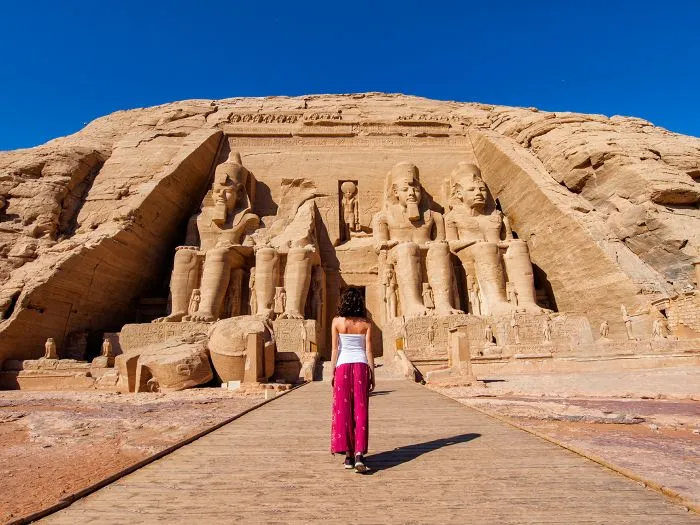
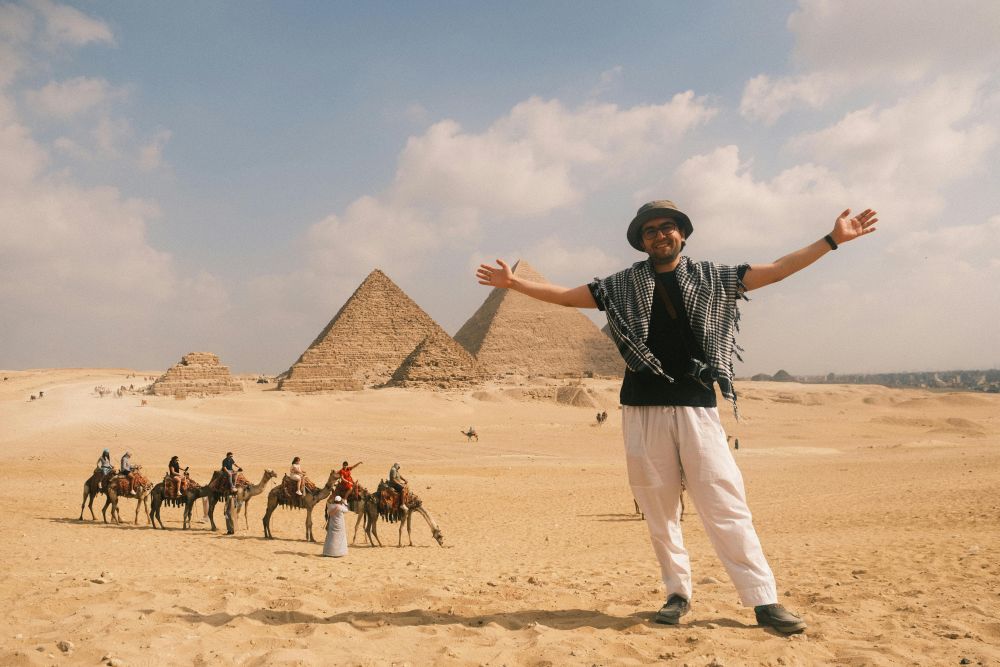
Visiting Egypt is a journey into one of the oldest civilizations in human history, a country where ancient temples stand beside modern cities and where daily life unfolds against a backdrop of extraordinary heritage. From the awe-inspiring Pyramids of Giza to the timeless flow of the Nile and the crystal-clear waters of the Red Sea, Egypt offers an experience unlike any other destination in the world. However, to fully appreciate this richness and avoid common travel frustrations, there are essential things to know before visiting Egypt.
This in-depth guide is designed to answer the most important questions travelers ask before planning a trip to Egypt. It combines practical advice, cultural insight, and strategic travel planning to help you navigate the country with confidence, respect, and clarity. Whether you are visiting Egypt for history, leisure, or adventure, understanding what to expect before arrival will significantly enhance your overall experience.
Why Preparation Is Essential Before Visiting Egypt
Egypt is welcoming, vibrant, and rewarding, but it operates according to cultural, logistical, and social norms that may differ significantly from those in Europe, North America, or Asia. Travelers who arrive without preparation may feel overwhelmed by traffic, negotiation-based pricing, or cultural differences, while those who arrive informed often describe Egypt as deeply enriching and surprisingly smooth.
Knowing the key things to know before visiting Egypt allows travelers to interpret situations correctly, manage expectations realistically, and engage more positively with local communities. Preparation transforms Egypt from a potentially confusing destination into one that feels structured, understandable, and enjoyable.
What Are the Main Regions Tourists Should Know Before Visiting Egypt?
Understanding Egypt’s geography is one of the most important things to know before visiting Egypt, as the country offers multiple travel styles depending on the region.
Cairo and Giza
Cairo and Giza represent the political, cultural, and historical core of modern Egypt, where world-famous ancient landmarks such as the Great Pyramids and the Sphinx coexist with bustling urban districts, national museums, traditional markets, and contemporary infrastructure, making this region ideal for travelers seeking a comprehensive introduction to both ancient and modern Egyptian life.
Luxor and Aswan (Upper Egypt)
Luxor and Aswan are considered the heart of ancient Egyptian civilization, offering a slower and more immersive travel experience centered around monumental temples, royal tombs, and scenic Nile cruises that allow visitors to explore history at a relaxed pace while enjoying strong connections to local traditions and river-based culture.
Red Sea Resort Destinations
Red Sea destinations such as Hurghada, Sharm El Sheikh, and Marsa Alam focus primarily on leisure tourism, providing all-inclusive resorts, pristine beaches, and world-class snorkeling and diving opportunities, which makes them particularly suitable for travelers seeking relaxation, marine activities, and family-friendly environments rather than intensive sightseeing.
The Western Desert and Oases
Egypt’s Western Desert and its oases offer a unique adventure-focused experience defined by dramatic natural landscapes, remote archaeological sites, and cultural encounters that appeal to travelers looking for off-the-beaten-path exploration and a deeper connection with Egypt’s natural and nomadic heritage.
When Is the Best Time to Visit Egypt?
Climate awareness is one of the most important things to know before visiting Egypt, as weather conditions directly affect comfort and sightseeing quality.
October to April (Best Overall Travel Period)
This period is widely regarded as the best time to visit Egypt due to moderate temperatures that make outdoor sightseeing, archaeological exploration, and long walking tours significantly more comfortable across Cairo, Luxor, Aswan, and other major destinations.
December to February (Peak Tourist Season)
These months offer the most pleasant weather conditions but also attract the highest number of visitors, resulting in increased accommodation prices, higher demand for tours, and larger crowds at Egypt’s most popular historical attractions.
May to September (Extreme Summer Heat)
Summer in Egypt is characterized by intense heat, particularly in southern regions such as Luxor and Aswan, which requires travelers to plan sightseeing activities during early mornings or late afternoons while prioritizing hydration and sun protection.
Is Egypt Safe for Tourists?
Safety concerns are among the most searched topics related to visiting Egypt, making this one of the most critical things to understand before planning a trip.
General Safety for Visitors
Egypt is generally considered safe for tourists, especially in well-established tourist areas, resorts, and archaeological sites where security measures are visible and tourism infrastructure is professionally managed.
Recommended Safety Practices
Travelers are advised to book tours through licensed operators, follow guidance provided by hotels and local authorities, and avoid political gatherings, as these precautions significantly enhance safety and overall travel confidence.
What Should Travelers Know About Cultural Etiquette in Egypt?
Cultural awareness is one of the most valuable things to know before visiting Egypt, as it shapes daily interactions and overall impressions.
Dress Code and Modesty Expectations
Modest clothing is strongly recommended in public and religious spaces, as it reflects respect for local customs and helps travelers feel more comfortable and less conspicuous, particularly in traditional neighborhoods and non-resort areas.
Social Interaction and Behavior
Egyptian culture places great value on politeness and respectful communication, and travelers who engage with locals using friendly greetings and culturally appropriate behavior often experience warmer hospitality and more meaningful interactions.
What Should Tourists Know About Money and Tipping in Egypt?
Financial preparedness is another essential thing to know before visiting Egypt, as payment norms differ from those in many other destinations.
Currency and Payment Methods
The Egyptian Pound (EGP) is the official currency, and while credit cards are accepted in hotels and upscale restaurants, cash remains essential for markets, tipping, transportation, and everyday transactions.
Understanding Tipping Culture (Baksheesh)
Tipping, known locally as baksheesh, is a deeply ingrained social practice in Egypt, and small tips are commonly expected for services provided by guides, drivers, hotel staff, and service workers, making it important to budget accordingly.
Transportation in Egypt: What Is the Best Way to Get Around?
Transportation planning is among the key things to know before visiting Egypt, particularly due to long distances between major attractions.
Domestic Flights for Long Distances
Domestic flights are the most efficient option for traveling between distant cities such as Cairo and Aswan, saving time and reducing travel fatigue for visitors with limited schedules.
Trains and Local Transportation
Train services along the Nile Valley provide an affordable and scenic travel option, while ride-hailing apps such as Uber in Cairo offer safer and more transparent pricing compared to negotiating with street taxis.
Food and Water: What Precautions Should Travelers Take?
understanding food and water safety is a practical thing to know before visiting Egypt and can prevent common travel discomforts.
Traditional Egyptian Cuisine
Egyptian cuisine offers rich flavors and affordable meals, with dishes such as koshari, ful, and taameya providing an authentic culinary experience that reflects the country’s agricultural and cultural traditions.
Water and Food Safety Guidelines
Travelers should avoid drinking tap water and rely on bottled water for hydration and oral hygiene, as this precaution helps prevent stomach issues commonly experienced by first-time visitors.
Common Tourist Scams and How to Avoid Them
Awareness of common tourist scams is an important thing to know before visiting Egypt, as it helps travelers respond calmly and confidently.
Unofficial Guides and Services
Some individuals may offer guiding services near major attractions without proper credentials, which can lead to misinformation or inflated fees if travelers are not cautious.
Unexpected Fees and Photo Requests
Travelers should always clarify prices in advance and politely decline unsolicited assistance, as this prevents uncomfortable situations involving unexpected payment demands.
How Desert Cruise Travel Helps You Plan Your Trip to Egypt?
Knowing the most important things to know before visiting Egypt is the first step toward a successful journey, but turning that knowledge into a perfectly organized trip requires local expertise and professional planning. This is exactly where Desert Cruise Travel helps you move from information to action. By guiding you through all the essential things to know before visiting Egypt, the company ensures that every detail of your trip is thoughtfully planned, from selecting the right destinations and travel timing to managing accommodations, transportation, and guided experiences.
With Desert Cruise Travel, you don’t just read about the things to know before visiting Egypt. you experience them the right way. The team creates tailor-made itineraries, provides trusted local guides, and handles all logistics so you can explore Egypt with confidence, comfort, and complete peace of mind. If you want your trip to Egypt to be seamless, enriching, and professionally managed from start to finish, now is the time to plan your journey with Desert Cruise Travel and turn your travel plans into an unforgettable reality.
Conclusion
Egypt is a destination of extraordinary depth, contrast, and historical significance. By understanding the most important things to know before visiting Egypt, travelers equip themselves with the knowledge needed to navigate the country confidently, respectfully, and efficiently.
Preparation allows visitors to focus on discovery rather than uncertainty, transforming Egypt from an overwhelming destination into a deeply rewarding journey. When travelers arrive informed and culturally aware, Egypt reveals itself not only as a land of ancient monuments but as a living civilization rich in hospitality, tradition, and unforgettable experiences.