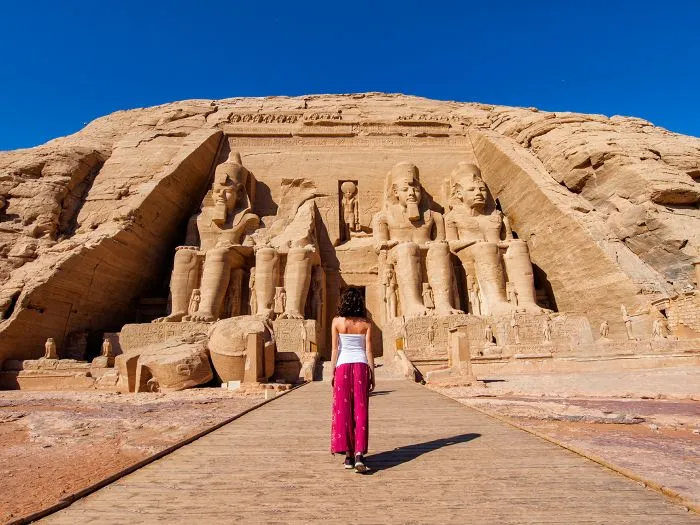
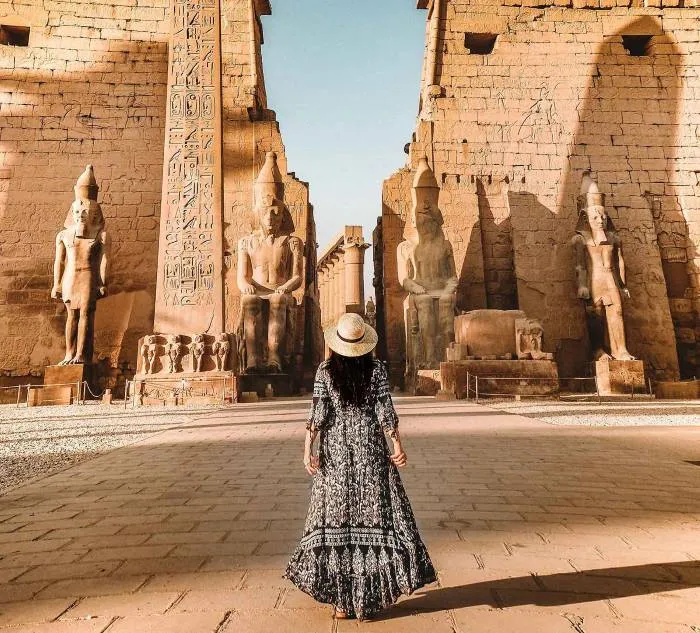
Planning a trip to the land of pharaohs can be an unforgettable experience, but the key to enjoying it to the fullest lies in knowing the right tips for visiting Egypt before you go. From navigating local customs and transportation to choosing the best times to explore ancient temples and vibrant cities, being well-prepared makes all the difference. Egypt offers a unique blend of history, culture, and adventure, and with the right insights, you can travel smarter, safer, and more confidently. In this guide, we share essential tips for visiting Egypt to help you make the most of every moment, avoid common mistakes, and enjoy a smooth, rewarding journey from start to finish.
Prepare Smartly Before You Travel to Egypt
Preparation is the backbone of a successful trip. One of the most essential tips for visiting Egypt is to plan thoroughly before you arrive, as this will save time, money, and unnecessary stress.
Before traveling, make sure to:
Check that your passport is valid for at least six months beyond your arrival date.
Review Egypt’s visa requirements for your nationality and apply for an e-visa if eligible.
Purchase travel insurance that includes medical coverage, emergency evacuation, and trip interruptions.
Confirm hotel bookings, domestic flights, or Nile cruises in advance, especially during peak seasons.
Packing also plays a major role in your comfort. Egypt’s climate is mostly warm and sunny, so lightweight and breathable clothing is ideal. However, cultural sensitivity is important.
What to pack:
Modest clothing for visiting mosques, churches, and traditional areas.
Comfortable walking shoes for archaeological sites and long tours.
Sunscreen, sunglasses, and a hat to protect from strong sunlight.
A reusable water bottle and personal medications.
What You Should Know Before Visiting Egypt
Understanding daily life in Egypt is one of the most valuable tips for visiting Egypt, particularly for travelers who are visiting the Middle East for the first time.
Key points to keep in mind:
Arabic is the official language, but English is widely spoken in tourist destinations.
Egyptians are known for their hospitality and friendliness, and respectful communication is highly appreciated.
Time perception may differ; schedules can be flexible, and patience is often required.
Friday is a holy day, and some businesses may operate on limited hours.
Staying connected is easy. Internet access is widely available, and purchasing a local SIM card at the airport or from official providers is both affordable and practical.
Getting Around Egypt with Ease and Confidence
Transportation is a major factor in shaping your travel experience. Among the most practical tips for visiting Egypt is choosing reliable and safe transportation options.
Best ways to get around:
Ride-hailing apps such as Uber and Careem in Cairo and Alexandria for convenience and fixed pricing.
Domestic flights for long distances, saving time between major cities.
First-class or sleeper trains for overnight journeys between Cairo, Luxor, and Aswan.
Private drivers or guided tours for comfort and historical insight.
Avoid unlicensed taxis whenever possible, and always agree on prices in advance if you choose local transport.
Top Destinations You Should Not Miss in Egypt
Egypt is rich in destinations that cater to different travel styles, from history lovers and culture seekers to beach enthusiasts and adventure travelers. Choosing the right combination of destinations is one of the most important tips for visiting Egypt, as it allows you to experience the country’s diversity without feeling rushed or overwhelmed.
Below are the top destinations every traveler should consider, along with what makes each one unique:
Cairo Where Ancient History Meets Modern Life
Cairo is often the starting point for most trips and a must-visit destination in Egypt. The city offers a powerful blend of ancient wonders and vibrant urban life.
Key highlights include:
The Pyramids of Giza and the Great Sphinx, one of the Seven Wonders of the Ancient World
World-renowned museums showcasing Pharaonic, Greco-Roman, and Islamic artifacts
Historic neighborhoods and bustling local markets that reflect authentic Egyptian culture
Visiting Cairo provides essential historical context and is a cornerstone of any itinerary focused on cultural discovery.
Luxor The World’s Greatest Open-Air Museum
Luxor is a dream destination for history enthusiasts and one of the most valuable stops when following expert tips for visiting Egypt. The city is home to some of the most impressive archaeological sites in the world.
What makes Luxor special:
The Valley of the Kings, where royal tombs were carved into the desert hills
An immersive experience that brings ancient Egyptian civilization to life
Luxor offers an unmatched opportunity to explore Egypt’s golden age in depth.
Aswan A Calm Escape with Cultural Depth
Aswan is known for its relaxed atmosphere and scenic beauty, making it ideal for travelers seeking a slower pace.
Highlights of Aswan include:
Traditional Nubian villages with colorful houses and rich cultural heritage
Iconic landmarks that reflect Egypt’s southern charm
Aswan is perfect for balancing intense sightseeing with calm, cultural immersion.
Red Sea Resorts Relaxation and Adventure by the Coast
For travelers looking to unwind, Red Sea destinations are an essential part of smart tips for visiting Egypt. These areas are famous for crystal-clear waters and world-class marine life.
Popular activities include:
Snorkeling and diving among coral reefs
Luxury beach resorts with high safety standards
Water sports and desert excursions
Resorts such as Hurghada, Sharm El Sheikh, and Marsa Alam are ideal for ending your trip on a relaxing note.
Respect Local Culture and Egyptian Traditions
Showing respect for local culture is one of the most essential tips for visiting Egypt, as it directly shapes how warmly you are received and how comfortable your experience will be. Egypt is a country with deep-rooted traditions, strong family values, and a rich cultural identity, and travelers who understand these customs often enjoy more positive and authentic interactions with locals.
Being culturally aware does not mean changing who you are—it simply means being mindful of local norms and traditions, especially outside major tourist resorts.
Key cultural guidelines to keep in mind include:
Dress modestly, particularly when visiting mosques, churches, rural villages, and traditional neighborhoods. Lightweight clothing that covers shoulders and knees is both respectful and practical in Egypt’s climate.
Ask for permission before taking photos of people, especially locals, children, and religious figures. This shows respect for personal privacy and cultural sensitivity.
Avoid public displays of affection, such as kissing or hugging in public spaces, as these are generally discouraged in Egyptian society.
Use polite greetings and respectful body language, such as a friendly smile and a calm tone. Simple phrases like “Hello” or “Thank you” are always appreciated.
Another important aspect of Egyptian culture is tipping, commonly known as baksheesh. Tipping is not just about money—it is a gesture of appreciation for good service. Small tips are customary for hotel staff, drivers, guides, and even restroom attendants, and they are always received with gratitude.
Health and Safety Tips for Visiting Egypt
Egypt is widely regarded as a safe destination for tourists, especially in well-known travel areas such as Cairo, Luxor, Aswan, and the Red Sea resorts. However, taking basic health and safety precautions is one of the most important tips for visiting Egypt, as it helps ensure a smooth and worry-free journey.
Being proactive about your health allows you to focus on enjoying the experience rather than dealing with avoidable issues.
Essential health and safety advice includes:
Drink bottled or filtered water only, and avoid ice unless you are certain it is made from purified water. This helps prevent stomach discomfort, especially for first-time visitors.
Eat at reputable restaurants and hotels, where food hygiene standards are higher and ingredients are freshly prepared. Busy restaurants with high turnover are usually a safer choice.
Protect yourself from the sun by carrying sunscreen, wearing a hat, and using sunglasses, particularly during midday hours when temperatures are highest.
Stay hydrated throughout the day, especially when exploring outdoor attractions such as temples, pyramids, and desert landscapes.
Keep copies of important documents, including your passport, visa, and travel insurance, either digitally or in a separate bag for added security.
In addition to health precautions, it is wise to remain aware of your surroundings, follow guidance from licensed tour operators, and avoid unfamiliar areas late at night. With simple awareness, preparation, and common sense, travelers can significantly reduce risks and enjoy a safe, comfortable, and memorable trip. These practical steps are among the most valuable tips for visiting Egypt for any travelers.
Managing Money and Budgeting Wisely in Egypt
Understanding how money works in Egypt is a core element of the most practical tips for visiting Egypt, as it helps travelers avoid inconvenience, manage daily expenses smoothly, and enjoy their trip without financial stress. Egypt is considered an affordable destination compared to many other countries, but knowing when to use cash and when cards are accepted makes a noticeable difference in your overall experience.
The official currency is the Egyptian Pound (EGP), and while foreign currencies may be accepted in some tourist settings, relying on the local currency is always the safest and most convenient option. Exchange services are widely available at airports, banks, hotels, and official exchange offices.
Important money-related tips to keep in mind:
Carry small denominations, as they are essential for tipping, taxis, local markets, and small purchases. Many vendors may not have change for large bills.
Use ATMs in major cities and tourist areas, where they are easy to find and generally reliable. It is best to withdraw moderate amounts rather than large sums at once.
Credit cards are accepted in hotels, upscale restaurants, shopping malls, and tour companies, but they are not commonly used in local markets, street shops, or rural areas.
Always keep some cash on hand, especially when traveling outside large cities or visiting archaeological sites and local neighborhoods.
One of the advantages highlighted in many tips for visiting Egypt is the country’s excellent value for money. Travelers can choose from a wide range of options, from budget-friendly accommodations and street food to luxury hotels, Nile cruises, and private guided tours—all at relatively reasonable prices.
By planning your budget wisely and understanding local payment habits, you can enjoy both comfort and flexibility while making the most of everything Egypt has to offer.
Shopping in Egypt: what to buy, where to go, and how to get the best experience
Shopping in Egypt can feel like stepping into a living story—every stall, souk, or boutique carries art, history, and local pride. It’s also one of the more enjoyable and culturally rich tips for visiting Egypt: you leave with souvenirs that are more than objects; they’re memories and small pieces of the country’s heritage. Here’s a more detailed, practical guide to make your shopping both fun and smart.
What to look for
Egypt offers a wide range of authentic, locally made goods that make excellent keepsakes or gifts. Among the most popular and truly Egyptian items:
Handmade papyrus and artwork
• Papyrus scrolls or framed pieces depicting pharaonic scenes, hieroglyphs, or modern Egyptian art.
• Look for vendors who show you the material or explain the crafting process—quality varies, and genuine papyrus usually has texture and a natural color tone rather than a gloss finish.Spices, essential oils, and perfumes
• Colorful, aromatic spice blends, dried herbs, and high-quality oils are widely available.
• Perfume oils—often sold in small glass bottles—are a great way to bring home a unique scent without the bulk of liquid perfumes.Traditional jewelry and textiles
• Silver or brass pieces inspired by ancient designs, often set with stones or enamel.
• Textiles such as scarves, embroidered shawls, or woven fabrics from Nubian or Bedouin traditions. These can be practical items for travel and stylish keepsakes.
Where to shop
Local markets and bazaars: Cairo’s Khan El Khalili, Luxor’s markets near the temples, or small town souks near tourist sites. These places offer broad selections and a chance to browse widely.
Hotel or resort boutiques: convenient and reliable, though usually pricier. Good if you want quick, higher-confidence purchases.
Specialty shops: small galleries or craft stores run by artisans—often more expensive, but higher likelihood of truly handmade goods and fairer compensation for makers.
How to shop wisely
Bargain calmly and courteously
• Haggling is a normal part of the experience and expected in many markets. Approach it as a friendly negotiation, not a confrontation. Observers and travelers note the strong presence of sellers in tourist areas, so having a clear, composed approach helps.
• Start with a reasonable lower offer; let the seller counter. If the mood or price isn’t right, be ready to walk away. Many sellers will call you back or offer a better price if they sense genuine interest.Use small bills and carry cash
• Small denominations are crucial—use them for tipping, small purchases, and paying for items in markets where change might be limited. Travelers to Egypt are often reminded to carry enough cash for daily tipping and small services, reflecting a widespread tipping culture.
• Keep cash in a secure pouch or inner pocket, and only take out what you need when negotiating or paying.Check for quality and authenticity
• For papyrus, textiles, or jewelry, inspect details: stitching, material feel, and finish. Ask about the source or maker; genuine pieces often come with a story or explanation.
• Compare prices across several stalls before buying. If one vendor’s price seems much higher, ask why or look elsewhere—sometimes a nearby seller may offer similar items for less.Be mindful of your surroundings
• In busy markets, keep belongings close, avoid distractions, and move with purpose. Sellers may approach you frequently; stay polite but firm if uninterested.
• If a seller becomes overly persistent, it’s okay to politely decline and step away. This protects your time and keeps the experience enjoyable.
Discover the Rich Flavors of Egyptian Cuisine
Egyptian cuisine is a window into the country’s rich history, cultural diversity, and regional traditions. Sampling local dishes is one of the most unforgettable tips for visiting Egypt, offering travelers both delicious flavors and insight into daily life in the country.
Must-try dishes include:
Koshari: Often considered Egypt’s national dish, koshari is a hearty mix of rice, lentils, pasta, chickpeas, and a tangy tomato sauce, topped with crispy fried onions. It’s flavorful, filling, and widely available across the country.
Ful medames and taameya: Ful medames (stewed fava beans) is a traditional breakfast staple, often served with olive oil, herbs, and bread. Taameya, Egypt’s version of falafel made from fava beans, is a crunchy, aromatic vegetarian delight.
Grilled meats and fresh bread: From kebabs and kofta to shawarma, Egyptian grills are rich in flavor and often paired with freshly baked flatbread, pickles, and salads.
Tips for the best culinary experience:
Choose busy, clean restaurants or street stalls. High turnover usually indicates fresh ingredients and quality cooking.
Ask locals for recommendations. They often know hidden gems that are authentic and affordable.
Be adventurous but cautious. Trying new foods is encouraged, but prioritize establishments that maintain good hygiene standards.
Do’s and Don’ts Every Traveler to Egypt Should Know
Knowing what to do—and what to avoid—is one of the most practical tips for visiting Egypt. Being aware of cultural norms, safety practices, and common pitfalls ensures a smooth, enjoyable, and respectful travel experience.
Do:
Respect local customs: Dress modestly, use polite greetings, and observe cultural norms, especially in religious or rural areas.
Stay hydrated: Egypt’s climate can be hot and dry, so drink plenty of water throughout the day, particularly when sightseeing outdoors.
Explore responsibly: Be mindful of your impact on local communities, archaeological sites, and natural environments. Follow rules and guidance from authorities or licensed guides.
Don’t:
Engage with unofficial guides: Unlicensed guides may provide misleading information, overcharge, or take you to unsafe areas. Always hire licensed professionals.
Display valuables openly: Avoid showing expensive cameras, jewelry, or large amounts of cash, especially in crowded markets or public transport.
Ignore safety guidelines: Pay attention to travel advisories, local instructions, and health recommendations to prevent accidents or illnesses.
By following these clear do’s and don’ts, travelers can enjoy a safer, more respectful, and more immersive Egyptian experience. These guidelines are simple yet essential tips for visiting Egypt that help protect both your safety and the enjoyment of your journey.
How Desert Cruise Travel Can Make Your Trip Unforgettable
Planning a trip to Egypt is exciting, but the right travel partner can transform your journey from ordinary to extraordinary. Desert Cruise Travel specializes in crafting personalized experiences that ensure every moment is memorable, making it one of the smartest tips for visiting Egypt.
Here’s how they elevate your trip:
Tailored Itineraries: Whether you want to explore the Pyramids of Giza, cruise the Nile, or relax at Red Sea resorts, Desert Cruise Travel creates a schedule that fits your interests, pace, and travel style.
Expert Guides: Licensed and knowledgeable guides provide historical insights, cultural context, and hidden gems that most tourists miss. Their storytelling brings Egypt’s ancient history to life.
Seamless Logistics: From airport pickups to domestic transfers, accommodations, and entrance tickets, every detail is managed so you can focus on enjoying your adventure.
Unique Experiences: Specialized excursions like desert safaris, hot air balloon rides over Luxor, and snorkeling trips in the Red Sea create moments you’ll remember forever.
Safety and Comfort: Desert Cruise Travel prioritizes your safety and comfort, providing secure transportation, reliable accommodations, and local support throughout your journey.
By partnering with Desert Cruise Travel, you not only visit Egypt. you experience it fully, creating memories that last a lifetime. Their expertise ensures your trip is smooth, immersive, and unforgettable, making them a key factor in turning your dream vacation into reality.
conclusion
In conclusion, visiting Egypt is more than just a an immersive journey through history, culture, local flavors, and unforgettable experiences. By following the right tips for visiting Egypt, from exploring ancient sites and enjoying authentic cuisine to respecting local traditions, you can ensure a richer, safer, and more memorable adventure.
Make your Egypt journey truly unforgettable with Desert Cruise Travel. Our expert team provides personalized itineraries, professional guides, and seamless arrangements, all designed to follow the best tips for visiting Egypt and maximize your experience.
Book your Egypt tour today with Desert Cruise Travel and create memories that will last a lifetime.