Wadi El-Rayan is a premier natural protectorate located in the Fayoum Governorate of Egypt, uniquely characterized by its twin man-made lakes connected by the country’s only natural waterfalls. Spanning over 1,759 square kilometers, this ecological marvel blends turquoise waters with golden desert dunes, offering a rare sanctuary for biodiversity and a hub for eco-tourism.
It is considered one of Egypt’s most unique destinations because it juxtaposes a thriving aquatic ecosystem against the harsh beauty of the Western Desert, providing world-class opportunities for sandboarding, birdwatching, and serene desert landscapes just a short distance from the bustling capital of Cairo.
Quick Facts About Wadi El-Rayan
For travelers and researchers looking for immediate data, here are the essential highlights of the Wadi El-Rayan protected area:
Location: Situated approximately 150 kilometers (93 miles) southwest of Cairo in the Fayoum Depression.
Status: Officially declared a Protected Area by the Egyptian Ministry of Environment in 1989 to preserve its unique geological and biological features.
Water Sources: The area consists of an Upper Lake and a Lower Lake, created by drainage water from the Fayoum oasis farmland.
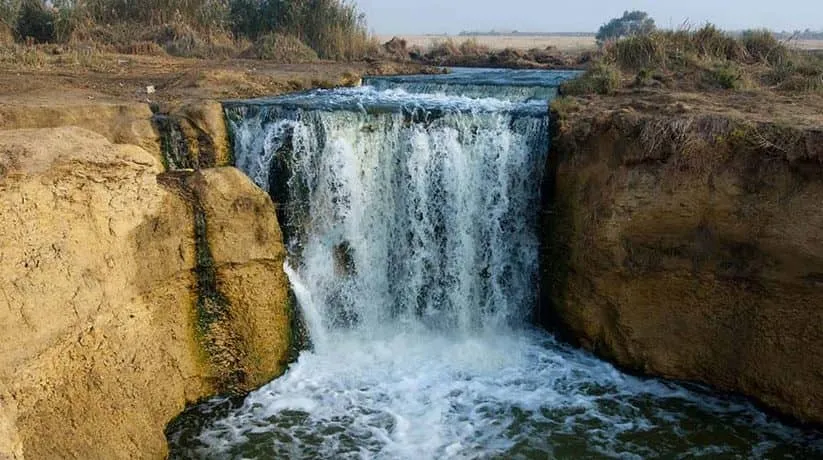
Natural Wonders: Home to Egypt’s only waterfalls, which connect the two lakes through a dramatic drop in elevation.
Biodiversity: A vital habitat for endangered species like the Slender-horned Gazelle and a seasonal home to over 160 species of migrating birds.
Geological Significance: Located near Wadi El Hitan (Valley of Whales), a UNESCO World Heritage site famous for prehistoric whale fossils.
Why Travelers Search for Wadi El-Rayan?
The search intent behind Wadi El-Rayan is multi-faceted, reflecting a blend of informational curiosity and high-intent travel planning. Understanding why this destination trends provides insight into the modern traveler’s desire for authentic, off-the-beaten-path experiences.
Informational Intent: Understanding the Ecosystem
Many users search for this destination to understand how a waterfall can exist in the middle of the Egyptian desert. The hydrological phenomenon of the drainage system that fuels the lakes is a subject of geographical interest. Researchers focus on the “Wadi El Rayan protected area” to study its conservation efforts and the impact of climate on desert wetlands.
Travel Planning Intent: The Perfect Day Trip
Because of its proximity to the capital, “Wadi El Rayan from Cairo” is a high-volume search query. Travelers are looking for logistics, entrance fees, and the best time to visit. They seek comprehensive itineraries that allow them to maximize a single day by visiting the waterfalls, the lakes, and nearby historical sites in Fayoum.
Eco-Tourism and Adventure Intent
The rise of “Fayoum desert safari” and “sandboarding in Wadi El Rayan” searches indicates a shift toward active tourism. Adventurers are no longer satisfied with just seeing monuments; they want to engage with the landscape. This intent is driven by the desire for high-quality photography, sustainable travel practices, and the physical thrill of desert sports.
What Makes Wadi El-Rayan Unique Compared to Other Natural Attractions in Egypt?
Wadi El-Rayan stands out as a unique destination because it offers a rare hydrological contrast: a massive freshwater system thriving in the heart of the hyper-arid Western Desert. Unlike the Red Sea’s coral reefs or the Nile’s lush banks, this area features the only natural waterfalls in Egypt, creating a surreal landscape where desert dunes meet cascading water.
While Egypt is world-renowned for its ancient ruins, Wadi El-Rayan offers a different kind of “ancient” history—a geological one. The transition from the Upper Lake to the Lower Lake over rocky escarpments creates a microclimate that supports lush vegetation and diverse wildlife not found in the surrounding Sahara.
Furthermore, its proximity to Wadi El Hitan allows visitors to experience two distinct natural wonders in one trip: a living wetland and a prehistoric fossil graveyard. This combination of active adventure (sandboarding), ecological discovery (birdwatching), and geological exploration makes it more versatile than traditional coastal or river-based attractions.
When Is the Best Time to Visit Wadi El Rayan?
The best time to visit Wadi El-Rayan is during the autumn and winter months, specifically from October to April, when temperatures range between 18°C and 25°C. This period offers the most comfortable climate for desert exploration, sandboarding, and hiking without the intense heat of the Egyptian summer.
Visiting during the winter is particularly rewarding for birdwatching enthusiasts, as the Wadi El-Rayan protected area becomes a vital stopover for thousands of migratory birds, including flamingos and various duck species. In contrast, the summer months (June to August) can see temperatures soaring above 40°C, making outdoor activities physically taxing and potentially dangerous.
If you visit in early spring, you may also catch the desert flora in bloom, adding a splash of green and color to the golden dunes.
For photographers, the “golden hour” during winter afternoons provides a soft, ethereal light that beautifully highlights the texture of the sand dunes and the reflections on the lakes.
What Activities Can You Do at Wadi El Rayan?
Visitors to Wadi El-Rayan can engage in a diverse array of activities, including viewing the famous waterfalls, sandboarding on the pristine dunes of Magic Lake, birdwatching at the protectorate’s lakes, and embarking on a 4×4 desert safari. The area is also a prime location for desert camping and night photography under unpolluted skies.
Exploring the Waterfalls
The Wadi El Rayan waterfalls are the primary draw for many. These falls are not just a scenic backdrop; they are a popular spot for locals and tourists to gather, cool off, and enjoy the sound of rushing water—a rarity in Egypt. The surrounding area is well-equipped with walkways, allowing for easy access and great photo opportunities.
Sandboarding and Desert Safaris
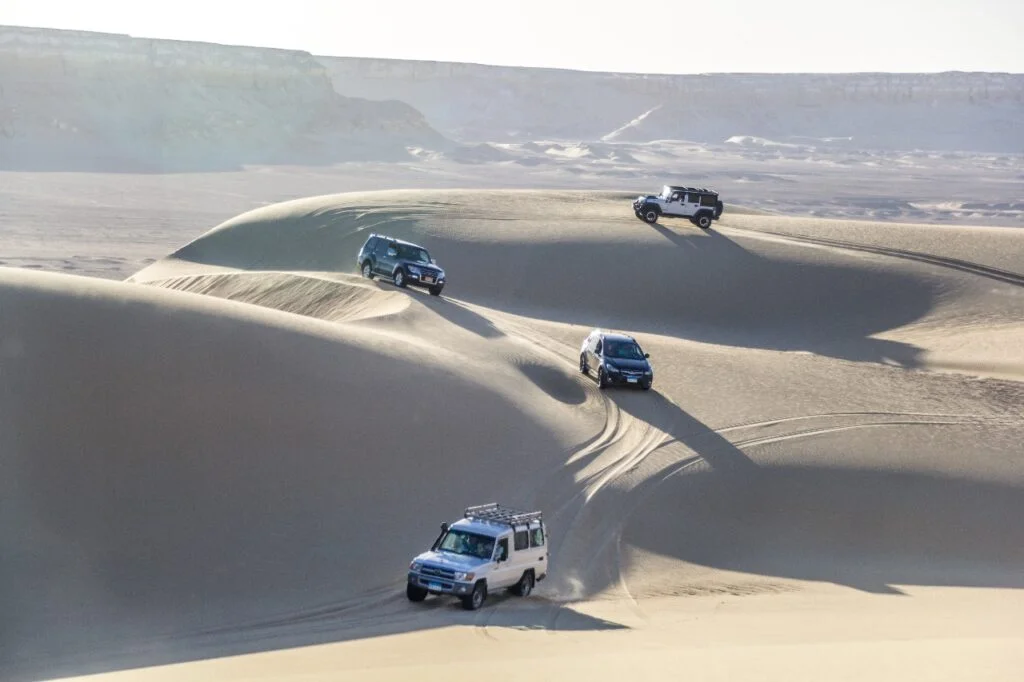
The dunes surrounding the lakes, particularly near “Magic Lake,” are world-class for sandboarding. Because the sand is fine and the slopes are varied, it caters to both beginners and professionals. A 4×4 “Fayoum desert safari” is the best way to navigate these dunes, providing an adrenaline-pumping ride through the undulating terrain of the Wadi El Rayan basin.
Birdwatching and Nature Photography
As a designated protected area, the lakes host a rich variety of avian life. Bringing binoculars is highly recommended, as you can spot rare eagles, falcons, and water birds. The “Egypt desert lakes” provide a stunning contrast of blue against the orange sand, making it a dream destination for professional and hobbyist photographers alike.
How Is Wadi El Rayan Different from Lake Qarun?
While both are located in the Fayoum region, Wadi El Rayan is a protected area consisting of two man-made lakes connected by waterfalls, whereas Lake Qarun is one of the world’s oldest natural ancient lakes with significantly higher salinity.
Wadi El Rayan is focused on eco-tourism and adventure, while Lake Qarun is more central to local fishing and historical settlements.
Lake Qarun is a remnant of the ancient Moeris Lake and sits at a much lower elevation, making it highly saline because it has no outlet. This limits the types of fish and wildlife that can survive there. In contrast, the lakes of Wadi El Rayan are relatively younger and were created to manage agricultural drainage.
Because Wadi El Rayan is a strictly managed “protected area,” it offers a more “wild” and pristine desert experience compared to the more developed and inhabited shores of Lake Qarun. Consequently, travelers seeking desert dunes and waterfalls head to the Rayan valley, while those interested in Greco-Roman ruins and traditional lakeside dining often prefer Qarun.
How Can Desert Cruise Travel Help You Plan Your Trip to Wadi El Rayan?
Planning a trip to a desert protectorate requires precision, specialized equipment, and local knowledge to ensure safety and comfort. Desert Cruise Travel specializes in crafting high-end, logistical-sound experiences for those wishing to explore the Fayoum region. By utilizing their expertise, travelers can bypass the complexities of navigating desert terrain and focus on the beauty of the landscape.
Desert Cruise Travel assists in the following ways:
Integrated Fayoum Programs: They design seamless itineraries that combine visits to the waterfalls, the lakes, and the nearby UNESCO site of Wadi El Hitan.
Desert Safari Coordination: Utilizing professional 4×4 vehicles and experienced drivers, they ensure a safe yet thrilling “Fayoum desert safari” experience across the dunes.
Activity Arrangement: From providing high-quality sandboarding equipment to setting up private desert camps, they handle all the gear and logistics.
Expert Local Guides: They provide guides who are well-versed in the history, geology, and wildlife of the Wadi El Rayan protected area, adding an educational layer to the adventure.
Logistics and Transport: They manage the round-trip transportation from Cairo, ensuring a comfortable journey in air-conditioned vehicles.
Where Can You Stay Near Wadi El Rayan?
Accommodation options near Wadi El-Rayan range from eco-friendly desert lodges and luxury camps to traditional hotels in the nearby village of Tunis. For a truly immersive experience, many travelers choose “desert camping in Fayoum,” which allows for stargazing and waking up to the sunrise over the lakes.
The village of Tunis, located overlooking Lake Qarun, is the most popular base for visitors. It is famous for its pottery schools and boutique eco-lodges that blend seamlessly with the environment.
If you prefer a more rugged experience, there are designated camping spots within the Wadi El-Rayan protectorate where you can stay in Bedouin-style tents.
These camps often provide traditional meals and evening fires, offering a glimpse into the desert lifestyle. Staying nearby is highly recommended because it allows you to reach the waterfalls early in the morning before the day-trip crowds arrive from Cairo.
How to Reach Wadi El Rayan Easily from Cairo?
To reach Wadi El-Rayan from Cairo, the most efficient method is via a private car or a guided tour, traveling approximately 2 to 2.5 hours along the Cairo-Fayoum Desert Road. Public transportation is limited to microbuses to Fayoum city, followed by private taxis to the protectorate, making private hire the preferred choice for convenience.
The drive itself is relatively straightforward; you head south toward the Giza Pyramids and then take the desert highway.
Because the final stretch of the journey involves entering the protected area and potentially driving on sandy tracks to reach specific spots like Magic Lake, a 4×4 vehicle is strongly recommended if you plan to go off-road. Therefore, most international tourists opt for organized day trips that include a driver who is familiar with the checkpoints and the best scenic routes within the Wadi El-Rayan valley.
Travel Tips Before Visiting Wadi El Rayan
Before heading out to Wadi El-Rayan, it is essential to prepare for a desert environment by bringing sun protection, plenty of water, and appropriate footwear. Since it is a “protected area,” visitors are expected to follow “Leave No Trace” principles to preserve the fragile ecosystem for future generations.
Sun Protection: Even in winter, the desert sun is intense. Bring high-SPF sunscreen, a wide-brimmed hat, and polarized sunglasses.
Clothing: Wear breathable cotton clothing for the day, but bring a warm jacket for the evening, as desert temperatures drop rapidly after sunset.
Hydration: Carry more water than you think you need. While there are some small cafeterias near the waterfalls, they may not always be stocked.
Cash: Ensure you have enough Egyptian Pounds (EGP) for the entrance fee at the gate and for tipping guides or drivers, as credit card facilities are non-existent inside the protectorate.
Photography Permits: While casual phone photography is usually fine, professional setups or drones may require specific permits from the authorities.
Is Wadi El Rayan Suitable for Families, Adventurers, and Photographers?
Yes, Wadi El-Rayan is an incredibly versatile destination that caters to families looking for a unique picnic spot, adventurers seeking high-speed desert thrills, and photographers chasing the perfect landscape shot. Its diverse geography provides a safe yet exciting environment for all types of travelers.
For families, the waterfalls and lower lakes provide a great area for children to explore under supervision, and the nearby pottery village of Tunis offers cultural workshops. Adventurers will find their thrill in the steep dunes of the Rayan desert and the opportunity for multi-day trekking.
Photographers are drawn to the “Wadi El Rayan waterfalls” and the contrast of the “Egypt desert lakes,” which provide endless compositions of water, sand, and sky. Because the area is vast, it is possible for all these groups to enjoy the protectorate simultaneously without encroaching on each other’s experience.