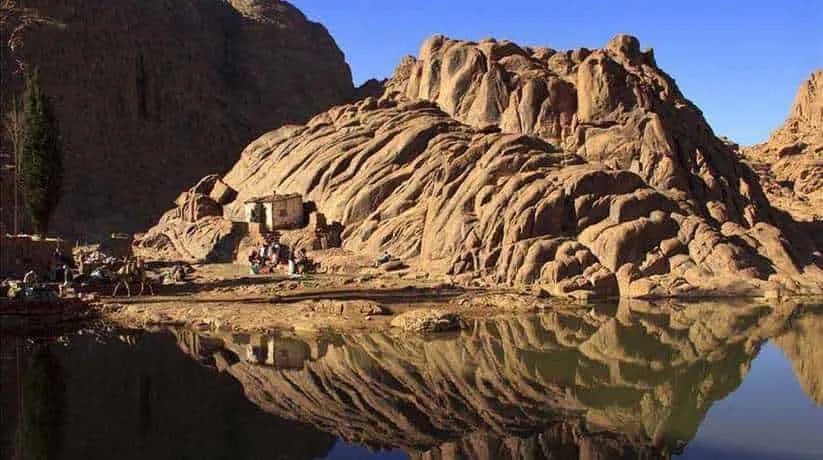
Wadi Ghazala is a magnificent desert valley located in South Sinai, Egypt, approximately one hour’s drive from the vibrant town of Dahab or the port city of Nuweiba. The name “Ghazala” refers to the graceful gazelle deer that roam the area, symbolizing the natural beauty and wildlife present in this rugged landscape. This valley is part of the protected natural reserves of Sinai and remains one of the less touristy yet incredibly captivating destinations in the region. Its history blends geological wonder with the traditional lifestyle of the indigenous Bedouin people who inhabit the surrounding oases. The valley is adorned with numerous caves and ancient geological formations, providing insight into Sinai’s natural heritage and a glimpse into prehistoric times.
What is Wadi Ghazala and why is it a significant destination in the Sinai desert?
Wadi Ghazala is a vast valley in the South Sinai hinterland, primarily known as a central hub for Egypt desert safari expeditions. It is strategically significant for its proximity to the Ain Khudra Oasis, the White Canyon, and the Mushroom Rock. Characterized by wide sandy plains, deep caves, and scattered Bedouin settlements, it offers an authentic Sinai desert experience that combines soft-sand trekking with rugged mountain hiking.
Where is Wadi Ghazala located?
Wadi Ghazala is located in the eastern region of the Sinai Peninsula, positioned between the coastal town of Dahab and the historic St. Catherine’s Monastery. It sits just off the main St. Catherine-Dahab road, making it one of the most accessible yet “off-the-beaten-path” desert locations for travelers staying in the Red Sea resorts.
The valley serves as a geographic bridge between the high granite mountains of the interior and the sandstone plateaus of the coast. Because of this location, it is a frequent stop for travelers transiting from the Sinai mountain region toward the Gulf of Aqaba. Its proximity to major landmarks allows it to function as a base camp for those exploring the deeper “High Wetland” areas of Sinai.
Geologically, the wadi is part of a complex drainage system that has carved deep into the limestone and sandstone layers of the desert. This position provides a diverse range of terrain, from flat, easy-to-walk sandy stretches to steep, rocky inclines that lead to panoramic viewpoints overlooking the vast Sinai wilderness.
What makes Wadi Ghazala famous?
Wadi Ghazala is famous for its “Mushroom Rock” (a giant, wind-carved sandstone formation) and as the gateway to the breathtaking Ain Khudra Oasis. It is highly regarded by photography enthusiasts for its diverse colors and the ancient acacia trees that dot the landscape, creating a classic “African savanna” aesthetic in the middle of the Egyptian desert.
The wadi’s fame is also tied to its role in Bedouin culture. For centuries, it has been a grazing ground and meeting point for the Muzeina and Tarabin tribes. Today, it is a primary destination for Sinai sunrise hike extensions, where travelers spend a night in the wadi to witness the desert stars before heading to the nearby canyons.
Additionally, the wadi is the starting point for treks into the “Coloured Canyons” and the “White Canyon.” Its reputation as a “million-star hotel” comes from the world-class desert camping Egypt opportunities it provides, where the lack of light pollution reveals the Milky Way in startling detail against the dark mountain silhouettes.
What is the hiking experience in Wadi Ghazala like?
Hiking in Wadi Ghazala is generally considered a moderate experience that focuses on scenic beauty rather than technical difficulty. The trails often wind through soft sand dunes and wide plains, punctuated by “scrambles” over sandstone ridges that offer views of the surrounding jagged peaks of the Sinai Peninsula.
Most hikers begin their journey by 4×4 jeep to reach the heart of the wadi, then proceed on foot or by camel. A popular route involves trekking from Wadi Ghazala through the “White Canyon,” a narrow sandstone gorge that requires some basic climbing and sliding, eventually emerging at the lush Ain Khudra Oasis.
The experience is deeply sensory; the sound of the wind through the acacia thorns and the shifting colors of the rocks—ranging from deep purple to bright yellow—create a meditative atmosphere. Because the wadi is so vast, hikers often feel a profound sense of solitude, making it a favorite for those looking to disconnect from the modern world.
When is the best time to visit Wadi Ghazala?
The best time to visit Wadi Ghazala is from October to April, when the daytime temperatures are mild (between 20°C and 28°C). This allows for comfortable trekking and exploration without the risk of heat exhaustion that comes with the intense Saharan summer.
Winter (December to February) offers the most pleasant daytime hiking weather, though nighttime temperatures can drop significantly, sometimes reaching near-freezing levels. This makes it essential for those planning desert camping Egypt to bring high-quality sleeping bags and thermal layers.
Spring (March and May) is also beautiful, as the desert occasionally blooms after rare winter rains. However, travelers should be aware of the “Khamaseen” winds, which can bring dust storms. Summer is generally discouraged for trekking due to extreme heat, though nighttime “star-gazing dinners” remain popular for those seeking a brief desert escape from the coa
How can Desert Cruise Travel help plan your Wadi Ghazala adventure?
Desert Cruise Travel provides comprehensive, expert-led expeditions to Wadi Ghazala, specializing in private 4×4 safaris and traditional Bedouin camping experiences. We handle all logistics, including specialized desert transportation, military permits, and the provision of professional Bedouin guides who possess intimate knowledge of the wadi’s hidden caves and trails.
Our services include:
Custom Safari Itineraries: Combining Wadi Ghazala with the Ain Khudra Oasis, White Canyon, and Mushroom Rock.
Luxury Desert Camping: We provide high-quality camping gear and traditional Bedouin meals cooked over an open fire.
Multi-Activity Tours: Options to include camel trekking, rock climbing in nearby wadis, or photography-focused workshops.
Transfers from Dahab/Nuweiba: Seamless pick-up and drop-off in air-conditioned vehicles.
By booking with Desert Cruise Travel, you ensure a safe and respectful Sinai desert experience. We prioritize community-based tourism, working directly with local Bedouin tribes to provide an authentic window into their culture while ensuring that your journey supports the local economy and preserves the delicate desert environment.
Conclusion
Wadi Ghazala represents a true natural sanctuary in Sinai, perfect for visitors seeking adventure, cultural enrichment, and tranquility far from crowded tourist spots. Whether hiking through canyons, relaxing in oases, or enjoying starry nights in the desert camp, this valley promises a lasting and heartfelt impression.