If you are reading this from London under grey skies, from Berlin wrapped in layers against freezing winds, from Paris watching daylight disappear before 5 PM, or from Stockholm where winter feels endless, then you already understand why the question why visit Egypt in winter matters more than ever.
Every year, millions of Europeans look for a destination that offers reliable sunshine, comfortable temperatures, rich cultural experiences, and excellent value without requiring a long-haul transatlantic flight. Egypt answers that need with remarkable precision. Just four to five hours from most major European capitals, Egypt transforms winter travel into something restorative, energizing, and deeply memorable.
Winter in Egypt is not merely about escaping the cold; it is about experiencing ancient civilizations under perfect skies, relaxing on warm Red Sea beaches while Europe freezes, and enjoying a cultural depth that few destinations within such close proximity can match.
Why Tourist Choose Egypt in Winter
For travelers from the UK, Germany, France, Italy, Spain, the Netherlands, and Scandinavia, winter typically means:
Temperatures near or below freezing
Limited sunlight and short days
Increased energy costs and indoor living
Seasonal fatigue and lack of vitamin D
Egypt offers the opposite experience. During winter in Egypt, days are bright, dry, and comfortably warm, allowing visitors to explore outdoors for hours without discomfort. Unlike many European destinations that remain cold even in southern regions, Egypt provides genuine warmth, especially in Upper Egypt and along the Red Sea coast.
From London, Paris, Berlin, Rome, Amsterdam, or Stockholm, direct flights operate daily to Cairo, Hurghada, and Sharm El Sheikh, often taking under five hours. This short travel time makes Egypt one of the most accessible warm winter destinations near Europe.
Best Places to Visit in Egypt During Winter
Cairo & Giza
Cairo, the dynamic capital of Egypt, presents an extraordinary fusion of ancient civilization and contemporary urban life, and during the winter months it becomes significantly more comfortable to explore, as the mild temperatures allow visitors to spend long hours outdoors discovering its iconic landmarks without the physical strain caused by the intense summer sun.
At the Giza Plateau, travelers can walk around the Great Pyramid, stand before the enigmatic Sphinx, and absorb the vast desert landscape in conditions that are far more pleasant than the sweltering heat of July or August, which often limits sightseeing time. In addition to the pyramids, winter visitors can dedicate extended periods to exploring the Grand Egyptian Museum, wandering through the historic alleys of Khan El Khalili bazaar, and visiting the Citadel of Saladin for panoramic views over the city, all while enjoying crisp, sunny days that make full-day cultural immersion both manageable and deeply rewarding.
Luxor & Aswan
Luxor and Aswan, often described collectively as the world’s greatest open-air museum due to their extraordinary concentration of temples, tombs, and monumental architecture, are especially well suited for winter travel because nearly all major attractions are located outdoors and require extended walking under direct sunlight.
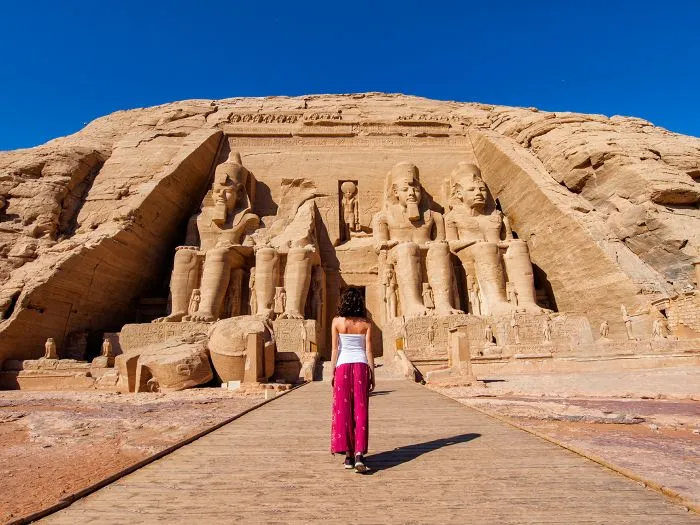
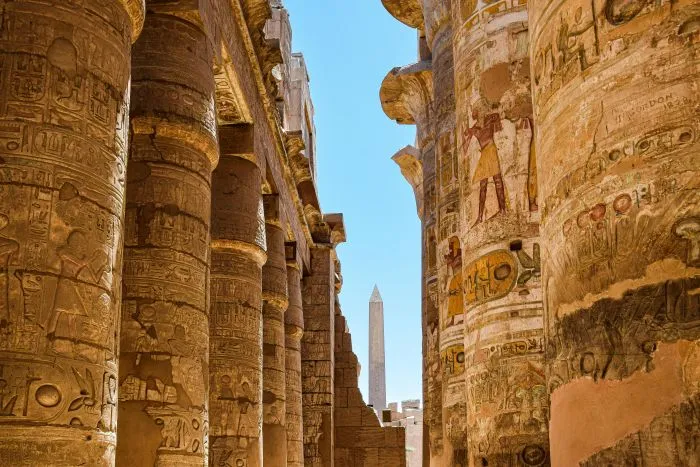
During winter, visitors can explore the Valley of the Kings, where pharaohs were laid to rest, wander through the vast temple complex of Karnak, admire the symmetry of Luxor Temple at sunset, and take unforgettable sunrise hot air balloon rides over the Nile Valley, all without the overwhelming heat that characterizes Upper Egypt in summer. In Aswan, the serene beauty of Philae Temple and the grandeur of Abu Simbel can be appreciated at a relaxed pace, which is precisely why winter is widely recognized as the best time to visit Egypt, particularly for those wishing to experience Upper Egypt in comfort.
Red Sea Resorts
For travelers who wish to balance cultural exploration with seaside relaxation, the Red Sea coastline offers some of the best beaches in Egypt in winter, combining reliable sunshine with warm, swimmable waters even during the colder months in Europe.
Destinations such as Hurghada, Sharm El Sheikh, and Marsa Alam provide long stretches of sandy beaches, vibrant coral reefs, and well-developed resort infrastructure designed to accommodate international visitors, making them ideal for families, couples, and honeymooners alike.
Water temperatures typically remain between 22°C and 24°C throughout winter, ensuring that swimming, snorkeling, and diving remain comfortable activities even in January, while many high-end resorts feature heated swimming pools and sheltered lounging areas that enhance overall comfort and convenience.
Alexandria & the Mediterranean Coast
Although Alexandria and Egypt’s Mediterranean coastline experience cooler temperatures compared to the Red Sea region, the city offers a distinctly different winter atmosphere characterized by historic charm, coastal scenery, and a strong Greco-Roman heritage that appeals to culturally oriented travelers.
Rather than focusing on beach activities, visitors to Alexandria during winter can explore the Bibliotheca Alexandrina, stroll along the Corniche overlooking the Mediterranean Sea, and visit archaeological sites such as the Catacombs of Kom El Shoqafa, all while enjoying a mild maritime climate that is far more temperate than northern European cities at the same time of year, making it an excellent option for those seeking a cultural city break rather than a traditional beach holiday.
Winter Activities in Egypt
Cultural Tourism
Winter in Egypt creates exceptionally favorable conditions for cultural tourism, as the moderate temperatures and clear skies allow travelers to move comfortably between historical districts, museums, religious landmarks, and traditional markets without the exhaustion often associated with peak summer heat.
Egypt’s appeal extends far beyond its monumental temples and pyramids, because within a single itinerary visitors can explore world-class museums housing Pharaonic treasures, admire the architectural grandeur of historic mosques in Islamic Cairo, visit ancient Coptic churches that reflect early Christian heritage, and wander through vibrant local souks where daily life unfolds in an authentic and immersive way.
This layered civilizational experience, spanning Pharaonic, Greco-Roman, Coptic, and Islamic eras, offers cultural depth that few winter destinations within short flying distance of Europe can match.
Nile Cruises in Winter
A Nile cruise in winter between Luxor and Aswan represents one of the most refined and strategically timed travel experiences in Egypt, because the gentle winter climate enhances both comfort and visibility while sailing along the world’s longest river.
Travelers can enjoy panoramic views of lush riverbanks and desert landscapes, participate in guided visits to monumental temples such as Karnak, Edfu, and Kom Ombo, and relax on open-air decks without the intense heat that defines the summer season.
Comfortable sailing temperatures allow for extended outdoor relaxation, while modern cruise vessels provide luxury accommodation, fine dining, and curated excursions at prices that are often more competitive than European river cruises operating in far colder winter conditions.
Unlike river itineraries in Europe that revolve around Christmas markets under grey skies, Egypt’s winter Nile cruises unfold beneath consistent sunshine, creating a far more balanced blend of leisure and exploration.
Diving & Snorkeling
The Red Sea remains internationally celebrated for its extraordinary marine biodiversity, coral reef systems, and exceptional underwater visibility, and winter conditions continue to support high-quality diving and snorkeling experiences due to stable water temperatures and calm sea conditions.
During the winter months, visibility often extends beyond twenty meters, allowing divers and snorkelers to observe vibrant coral formations, tropical fish species, and occasionally dolphins or sea turtles in remarkably clear waters.
For European travelers accustomed to cold Atlantic or Mediterranean waters during winter, the ability to swim comfortably in the Red Sea represents a dramatic and appealing contrast that reinforces Egypt’s position as a reliable warm-weather destination.
Desert Safari Egypt Winter
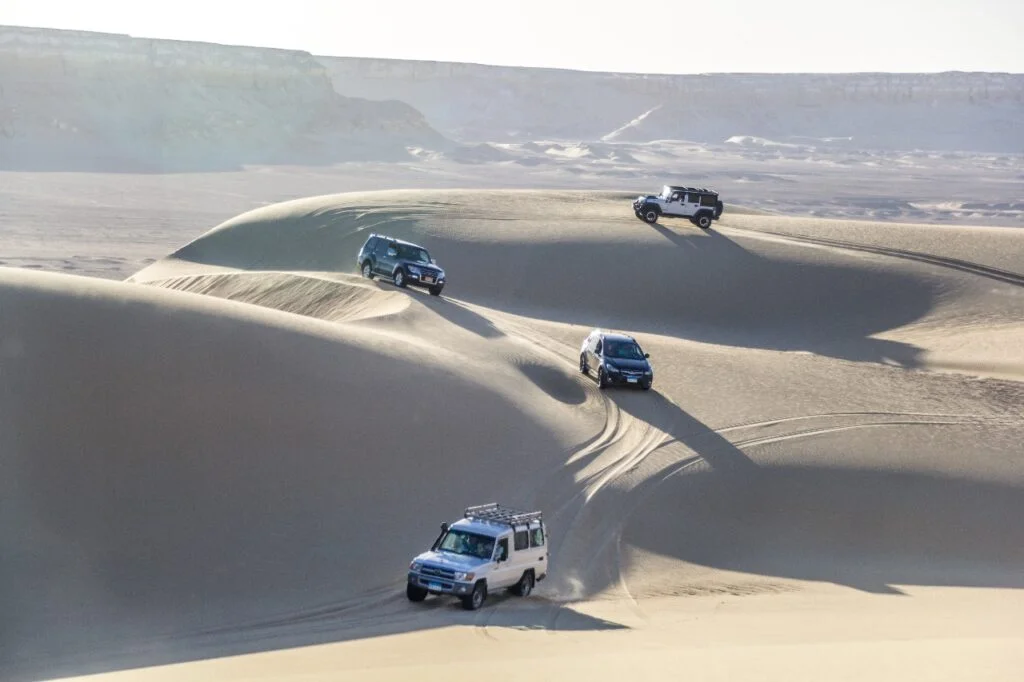
A desert safari Egypt winter experience offers a completely different dimension of travel, as cooler daytime temperatures and crisp evenings create safer and more enjoyable conditions for exploring vast desert landscapes that would otherwise be extremely challenging during summer heat.
Visitors can venture into the surreal rock formations of the White Desert, trek through the rugged Sinai Mountains, or embark on guided 4×4 expeditions across golden dunes while benefiting from clear air and exceptional visibility.
Winter nights in the desert are particularly memorable, as low humidity levels enhance stargazing opportunities under remarkably bright constellations, and cultural encounters with Bedouin communities provide insight into traditional desert lifestyles that have endured for centuries.
Compared to summer travel, when extreme heat limits mobility and comfort, winter transforms desert exploration into a balanced and immersive adventure.
Why Winter Is the Best Time to Visit Egypt?
If someone asks directly, “Is winter the best time to visit Egypt?” the answer, for the vast majority of travelers and particularly for visitors arriving from Europe, is a confident and well-supported yes, because winter offers the most balanced combination of climate comfort, sightseeing efficiency, and overall travel value.
One of the primary advantages of winter in Egypt is the comfortably mild climate, with daytime temperatures typically ranging between 18°C and 25°C across Cairo, Luxor, and Aswan, allowing visitors to explore archaeological sites, walk through historic districts, and spend extended hours outdoors without the physical strain associated with the intense summer heat. These moderate conditions create ideal circumstances for visiting open-air attractions such as the Pyramids of Giza, the Valley of the Kings, Karnak Temple, and Abu Simbel, where shade is limited and exposure to the sun is unavoidable.
Another significant benefit is the lower risk of heat-related fatigue, dehydration, or itinerary disruption, which often affects travelers during hotter months and can limit both enjoyment and productivity during guided tours. In winter, sightseeing days can be structured more efficiently, with full-day cultural programs unfolding at a comfortable pace that enhances both learning and overall satisfaction.
Warm Winter Honeymoon Destinations
Couples searching for warm winter honeymoon destinations often discover that why visit Egypt in winter becomes more than a simple question. it becomes the foundation of an unforgettable romantic journey shaped by climate comfort, cultural richness, and exclusive experiences. Egypt has steadily emerged as one of the most attractive winter honeymoon destinations because it combines warm sunshine, privacy, and immersive heritage in a way that few destinations can offer during the colder months in Europe.
One of the strongest reasons behind why visit Egypt in winter for a honeymoon is the opportunity to enjoy luxury Nile cruises that glide peacefully between Luxor and Aswan, where couples can relax on private balconies, watch golden sunsets over ancient temples, and experience five-star hospitality while sailing through one of the world’s most historic landscapes.
Another compelling answer to why visit Egypt in winter lies along the Red Sea coast, where private beach resorts in destinations such as Hurghada, El Gouna, and Sharm El Sheikh provide warm temperatures, tranquil shorelines, and exclusive spa experiences, allowing newlyweds to unwind in complete comfort without the overwhelming humidity found in tropical island destinations.
Egypt Winter Festivals and Events
Beyond climate and romance, another important reason behind why visit Egypt in winter is the vibrant calendar of cultural festivals and seasonal events that enrich any itinerary with authentic local experiences. Winter in Egypt is not only about sightseeing; it is also about participating in meaningful celebrations that connect travelers to the country’s living traditions.
Coptic Christmas celebrations in early January provide a unique spiritual and cultural atmosphere, particularly in Cairo and Upper Egypt, where churches are illuminated and communities gather in festive unity. The Abu Simbel Sun Festival in February offers one of the most extraordinary astronomical events in the world, as sunlight aligns precisely with the inner sanctuary of Ramses II’s temple, demonstrating the architectural brilliance of ancient Egypt and offering visitors a rare spectacle that occurs only twice a year.
Cultural events in Cairo and Luxor during winter months often include music performances, art exhibitions, and heritage showcases that allow travelers to experience modern Egyptian creativity alongside ancient history. Additionally, desert and Bedouin heritage festivals in Sinai and other regions provide insight into traditional music, crafts, and storytelling, adding depth to the overall journey.
Health and Wellbeing Benefits
For Europeans enduring long, cold, and dark winter months, understanding why visit Egypt in winter extends beyond sightseeing and leisure; it also encompasses significant health and wellbeing advantages that make a winter escape highly restorative. Spending time under Egypt’s consistent winter sunshine naturally increases vitamin D levels, which is essential for bone health, immune function, and overall energy, particularly for travelers from northern Europe who may experience prolonged vitamin D deficiency during their home winter.
In addition to physical benefits, the psychological effects of sunlight exposure in Egypt are profound: bright, sunny days help improve mood, reduce seasonal fatigue, and provide a natural boost in energy and motivation, creating a sense of renewal that is difficult to achieve under Europe’s overcast winter skies. Unlike hot summer travel, winter in Egypt allows outdoor activity at comfortable temperatures, enabling long walks, sightseeing, desert excursions, or beach relaxation without the physical stress of excessive heat.
How Desert Cruise Travel Can Help You Plan Your Trip to Egypt?
Planning a memorable winter trip to Egypt can be overwhelming given the country’s vast historical sites, diverse landscapes, and range of activities, but Desert Cruise Travel offers tailored solutions that make organizing your journey seamless and stress-free. With their deep expertise in Egypt’s cultural and natural attractions, Desert Cruise Travel can help you design an itinerary that balances iconic landmarks, Red Sea relaxation, and desert adventures, ensuring every day of your winter holiday is optimized for comfort, exploration, and enjoyment.
Whether you are interested in cruising the Nile between Luxor and Aswan, exploring the majestic Pyramids of Giza, enjoying snorkeling in Hurghada or Sharm El Sheikh, or experiencing desert safaris in the White Desert or Sinai Mountains, Desert Cruise Travel can recommend the most suitable timing, accommodations, and guided tours based on your preferences, budget, and seasonal conditions. They provide insider tips for first-time visitors and repeat travelers alike, including advice on winter weather, local customs, and the best moments to visit cultural festivals or natural landmarks.
By relying on Desert Cruise Travel’s expertise, European travelers can focus on experiencing the beauty, history, and warmth of Egypt without worrying about logistics, transportation, or timing, turning your question of why visit Egypt in winter into a fully organized and unforgettable journey.
Conclusion
When evaluating climate reliability, accessibility, value, beach quality, and cultural depth, it becomes clear why Egypt is perfect for winter sun, especially for Europeans seeking warmth without long-haul travel.
Egypt offers more than a temporary escape from the cold; it provides a complete winter transformation, where sunshine replaces grey skies, ancient wonders replace routine surroundings, and warm Red Sea waters replace icy coastlines.
For anyone asking where to find dependable winter sunshine within easy reach of Europe, Egypt stands confidently at the top of the list.